How Does Property Ownership Shape a Nation's Prosperity?
Ownership Equals Opportunities: The Far-Reaching Impact of Property on National Success
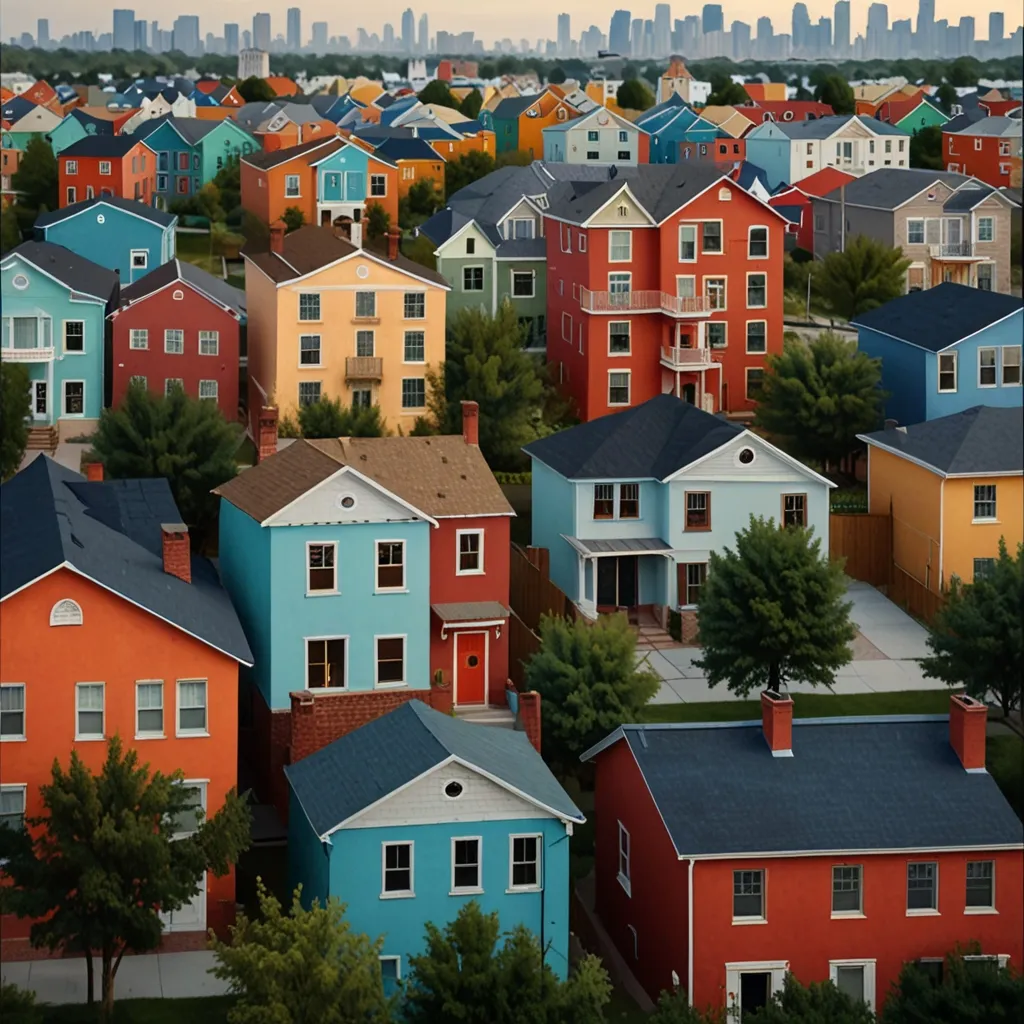
The link between owning property and a nation’s success isn’t something to brush off. Take America as an example – the dream of property ownership is getting tougher by the day. And if you think it’s bad in the U.S., trust me, the situation in many other countries is worse. The property crisis isn’t just a personal issue; it hits the long-term prosperity of entire nations hard. Let’s dig into why owning property is such a big deal when thinking about a nation’s wealth and success.
First off, there’s this concept called human capital. It’s basically the economic worth of your experience and skills – think about your education, intelligence, training, and even health. Owning property isn’t just about having a place to call home; it packs real benefits that can boost a person’s overall success and, by extension, their human capital.
You might be surprised, but research from the Hoover Institution found that property owners tend to be more confident, self-reliant, and entrepreneurial than those who don’t own property. Why? Well, for one, owning property gives a sense of security. If you own your property outright, you’ve got a solid buffer against financial woes. Lost your job? At least you’ve still got a roof over your head. And if life takes a drastic turn – think severe illness – you can sell your property for cash.
In simpler terms, your property acts as an insurance policy against life’s uncertainties. This security blanket pushes people to take bigger risks and make significant investments in life, like starting a business or pursuing higher education. It can even allow leveraging the existing property to invest in more property.
This impact isn’t just personal; it stretches across generations. Studies in Italy show that families who own property tend to have kids with higher education levels compared to those who rent. In fact, land ownership had a larger impact on childhood literacy rates than even diseases known to cause severe mental decline in children.
The idea of generational wealth often tracks back to property. Families who own property set their offspring up with a valuable asset, giving them a leg up in life. This can mean more money for health, education, and career investments, enhancing human capital over generations.
Speaking of economics, human capital is a big deal in determining a country’s growth and development. Property ownership plays a significant role in enhancing human capital. But what about renters? They make up a big chunk of the market, so their situation also matters in a nation’s economic health.
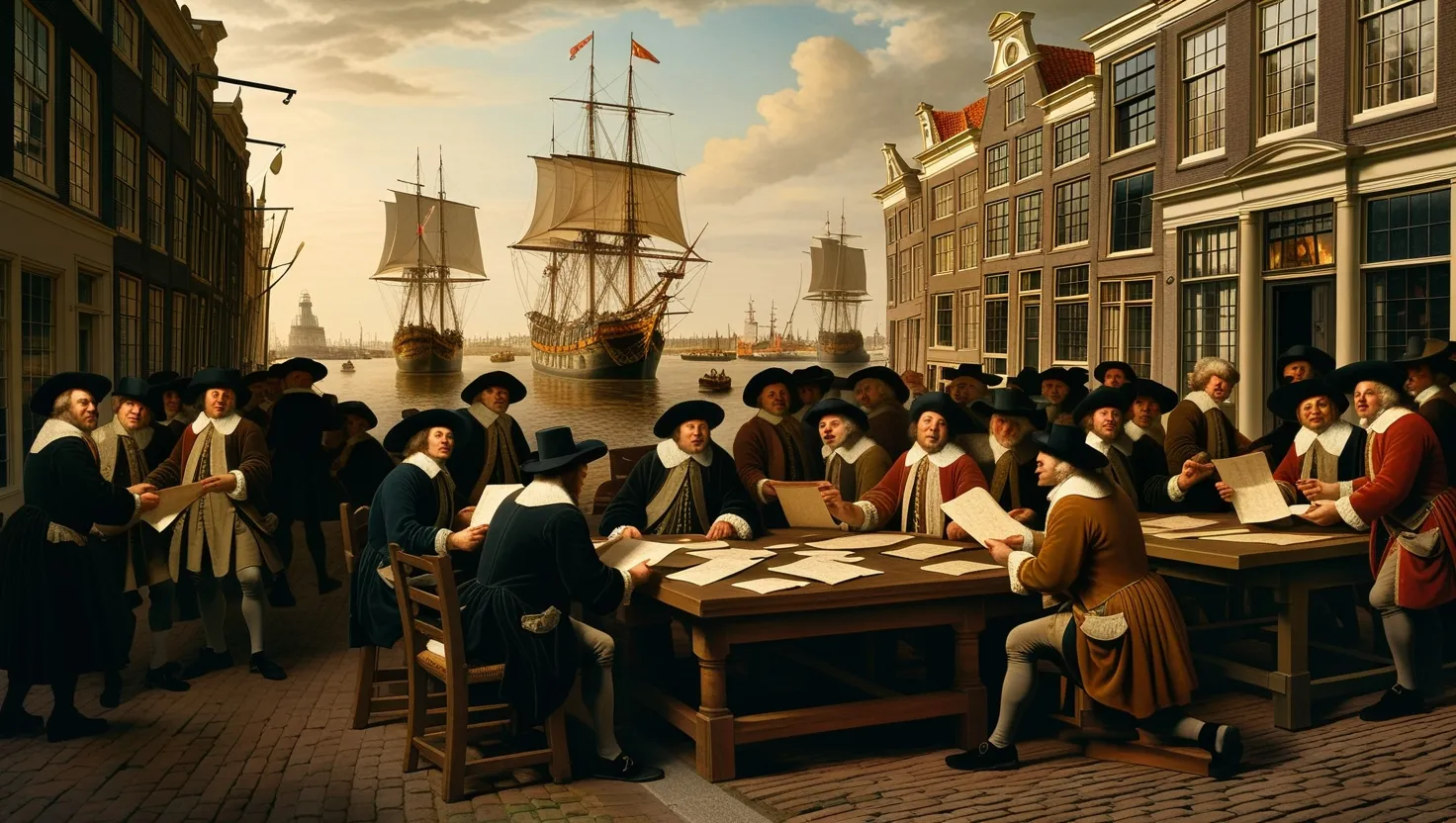
Enter landlords. Adam Smith, the famous economic thinker, wasn’t a big fan. He believed landlords didn’t add anything beneficial to the economy because they didn’t produce anything. They just lived off rent from others. Smith warned that powerful landlords could skew public interest for their own gain, creating policies that favor them at the expense of renters.
Various institutions shape these policies. According to the book “Why Nations Fail” by economists Daron Acemoglu and James Robinson, it’s not geography, resources, or culture that primarily determine national prosperity – it’s institutions. Powerful landlords can influence institutions to ensure policies favor them, which can suppress overall prosperity.
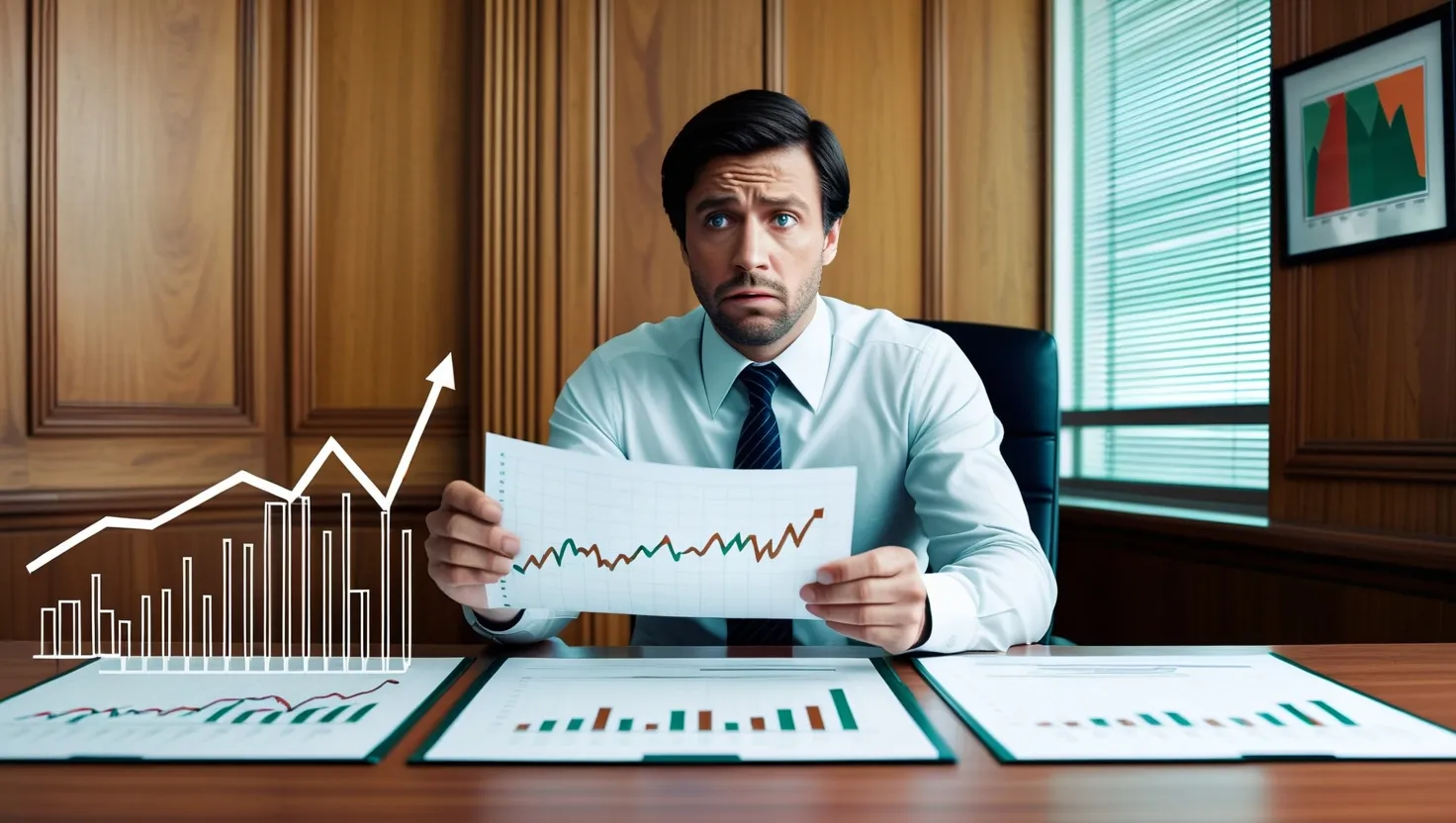
This brings up the concept of the velocity of money, which measures how often money changes hands in an economy. High velocity means better economic health because money moves around quickly, fostering economic activity. Low velocity indicates economic stagnation, where people are reluctant to spend money due to hardship.
A nation with many property owners generally sees higher money velocity because property owners tend to invest and spend more freely. Conversely, if a few people own most of the land, money tends to get stuck, decreasing its velocity. This scenario plays out negatively for the economy.
Consider China, once an economic powerhouse, now seeing slower growth. Most of its money is tied up in the property market rather than in mobile ventures like businesses and services, slowing down the velocity of money.
Let’s look at the U.S. and Argentina. Both started as European settler colonies rich in resources. Yet today, the U.S. remains wealthy, while Argentina isn’t. Initially, both were agrarian economies, but their paths diverged with land distribution. In the U.S., land was widely distributed among small farmers. In Argentina, a few rich landowners held the majority of the land.
In Argentina, the influence of powerful landowners shaped economic institutions. They hoarded wealth and restricted economic development by focusing spending on imports or buying more land instead of stimulating broader economic activity. This led to lower money velocity and slower economic growth.
For a nation to grow rich, it needs to boost its human capital by ensuring people have enough money to invest in themselves and their ventures. Property ownership plays a crucial role here. How people use property-related money within an economy profoundly impacts a nation’s prosperity.
So, the big takeaway? Property ownership isn’t just about having a place to call home. It’s about economic stability, opportunities for personal and generational growth, and shaping the broader economic landscape. Shifting from medieval feudal systems to modern property ownership illustrates how vital property is in constructing a robust and prosperous nation.