Which Card Should You Swipe to Master Your Finances?
Navigating the Card Maze: Strategic Swipes and Financial Finesse
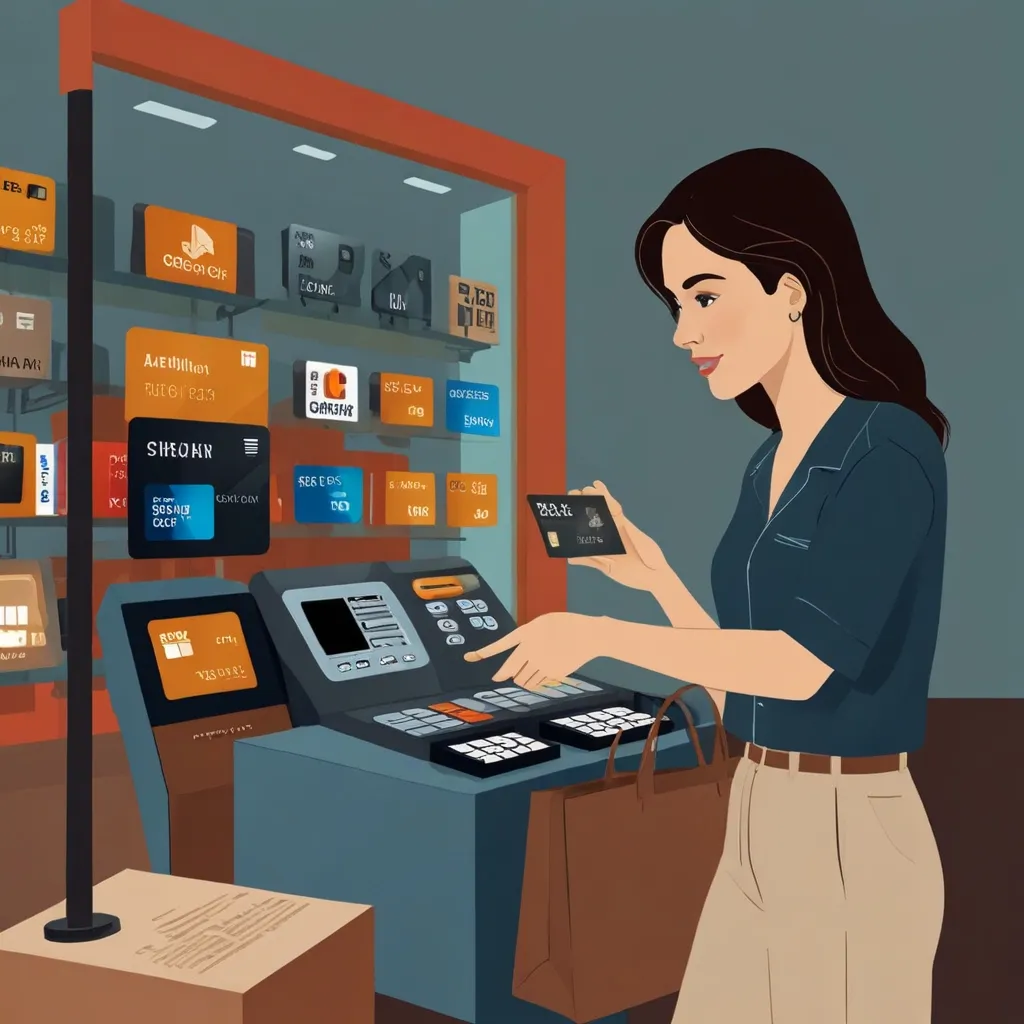
Managing money can be a bit like navigating a maze, especially when it comes to figuring out the difference between credit cards and debit cards. Both are essential and widely used, but they work in completely different ways. Let’s break it down in a super casual, easy-to-understand way.
So picture this: you’re out shopping, and you’ve got both a credit card and a debit card in your wallet. Which one should you whip out? Well, the choice really depends on your situation, your spending habits, and what you’re aiming to achieve financially.
First off, let’s talk about where the money comes from when you swipe these cards. With a debit card, you’re spending your own money straight from your bank account. It’s like having cash on you but in plastic form. The upside is you can only spend what you have, which helps a ton if you’re trying to stick to a budget. No nasty surprise of overspending.
In contrast, a credit card lets you borrow money from the card issuer. It’s like getting a small loan every time you make a purchase, up to your credit limit. But remember, you gotta pay it back! If you don’t clear your balance every month, you’ll be hit with interest, and that can add up pretty quickly.
Ever heard people talk about credit scores? Using a credit card wisely can help build yours. Paying your bills on time and keeping your card balance low shows lenders you’re reliable. It’s like getting good marks in school but for adulting! Debit cards, though, don’t help in this department because you’re not borrowing any money.
Now, credit cards do come with their baggage, like various fees—annual fees, balance transfer fees, late payment fees, you name it. Plus, if you don’t clear your monthly balance, they’ll slap on interest charges. Debit cards usually don’t carry these extra costs unless you overdraw your account or use an ATM outside your bank’s network.
Here’s the fun part: rewards! Many credit cards offer perks like cash back, travel miles, or points you can exchange for cool stuff. If you’re a frequent user and pay your bills on time, these rewards can really add up. Debit cards? Not so generous unless you have one linked to a special rewards checking account.
What about fraud protection? Both card types have measures to protect you, but credit cards usually have more robust protections. If your credit card gets stolen and is used fraudulently, you’re typically only liable for up to $50 if you report it after it’s been used. Report it before any fraudulent use, and you’re golden. Debit cards have similar protections, but the clock ticks faster—you have stricter time limits to report unauthorized transactions to dodge liability.
So, when should you use each card? It’s all about your personal goals. Want to keep your spending in check and avoid debt? Stick with a debit card since it limits you to what’s in your bank account. Aiming to build credit or score some rewards? A credit card can be your friend if you use it responsibly.
Think about it this way: if you’re eyeing a big purchase, say a new laptop or a dream vacation, a credit card might come in handy. It lets you spread out the payments, giving you some breathing room. For day-to-day things like groceries or gas? A debit card can help you stay on top of your budget and keep debt at bay.
Ultimately, both credit and debit cards are useful tools, but they cater to different needs. Credit cards offer flexibility and the chance to build credit but come with the risk of falling into debt. Debit cards ensure you don’t spend beyond your means, keeping you within your financial boundaries. Decide what works best for you and your goals, and you’ll be steering your finances in the right direction. So next time you’re at the checkout, you’ll know exactly which card to pull out!