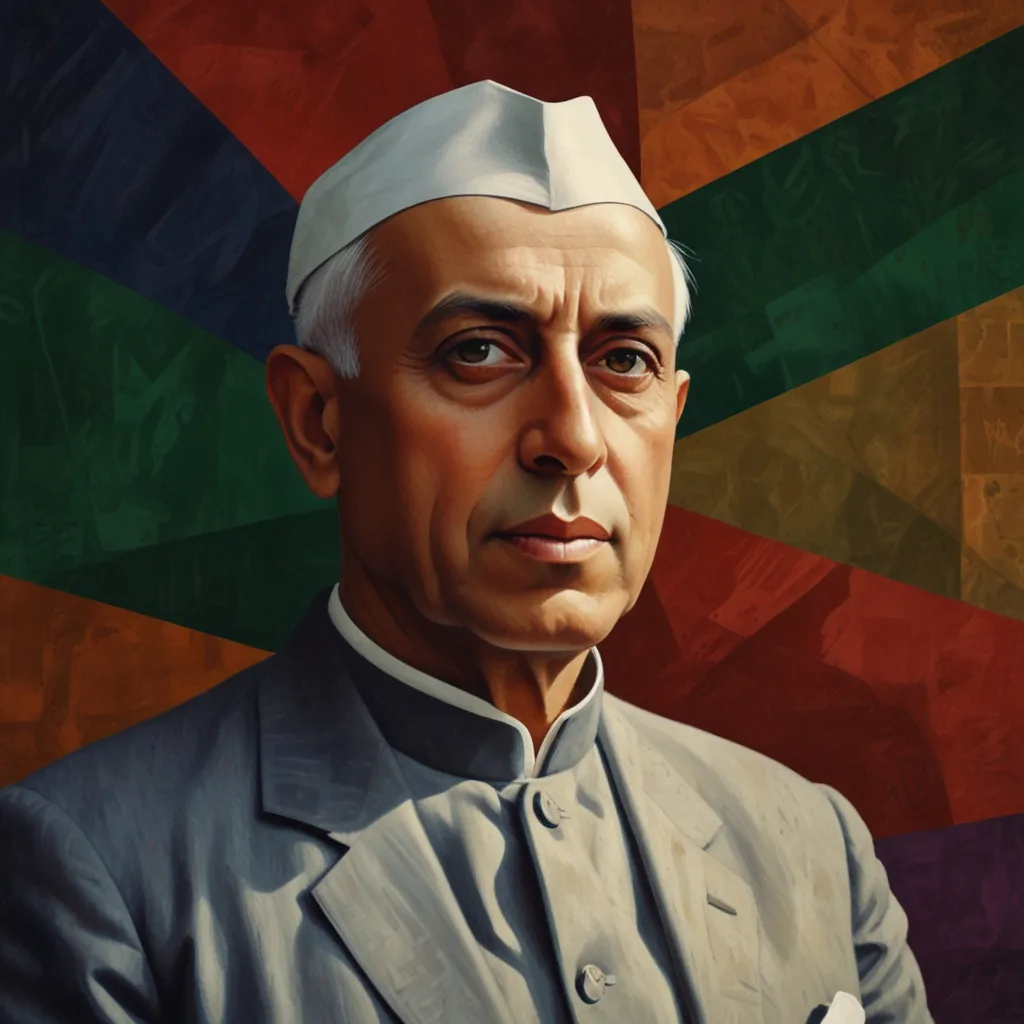
India is a land of immense cultural and religious diversity. Despite the wide variety, India has managed to uphold its secular values over time. The Indian brand of secularism is something unique and has evolved to suit its deeply religious society.
Right after India gained independence, the idea of secularism started to take shape. Visionaries like Jawaharlal Nehru aimed for a country where religion didn’t run the government. This vision was solidified in India’s Constitution. The document clearly declares India as a secular state with no official religion. The state remains neutral in religious matters, treating all religions equally and ensuring freedom of religion and conscience.
India’s secularism doesn’t strictly separate religion from the state like Western countries do. It’s more inclusive and acknowledges the country’s diverse religious practices. The government can step in on religious matters to ensure justice and equality. Both central and state governments can make laws about religious institutions, charities, and trusts.
The Indian government also supports religious schools and personal laws to help each religion maintain its practices. Islamic schools get partial funding, and Hindu temples are often managed by state governments. This promotes religious freedom but sometimes leads to conflicts and inequalities.
Challenges to secularism in India aren’t uncommon. Some right-wing Hindu nationalist groups label the current form of secularism as “pseudo-secularism.” They push for a more Hindu-centric state, arguing that the current system favors minorities. Such tensions often spark crises, like in Gujarat where secularism seems almost absent.
Most Indians feel their country honors its ideals of religious freedom. Surveys show a significant majority believes they can freely practice their faiths and appreciate religious diversity. However, opinions vary, with some people viewing diversity as a problem rather than an advantage.
The Indian Constitution has had several amendments to strengthen secularism. Adding the word “secular” to the Preamble in 1975 was a big move. Articles 25 to 28 protect religious freedom, the right to practice and maintain religious institutions, subject to public order, morality, and health.
The judiciary plays a crucial role in upholding secular values. Courts have consistently ruled that the state must keep an unbiased distance from all religions. For instance, in the Aruna Roy v. Union of India case, the court stressed the importance of respecting and not discriminating against different religions.
India’s secularism is a complex and evolving idea. Despite the challenges posed by its religious diversity and political pressures, India has maintained a secular state. The legal framework, public awareness, and judicial actions all contribute to this unique form of secularism. As the country continues to thrive in its diversity, the commitment to secularism remains a key part of India’s democratic values.