Ready to Witness Women's Revolution in Indian Politics?
Smashing Barriers: Women Taking the Reins in India's Political Scene
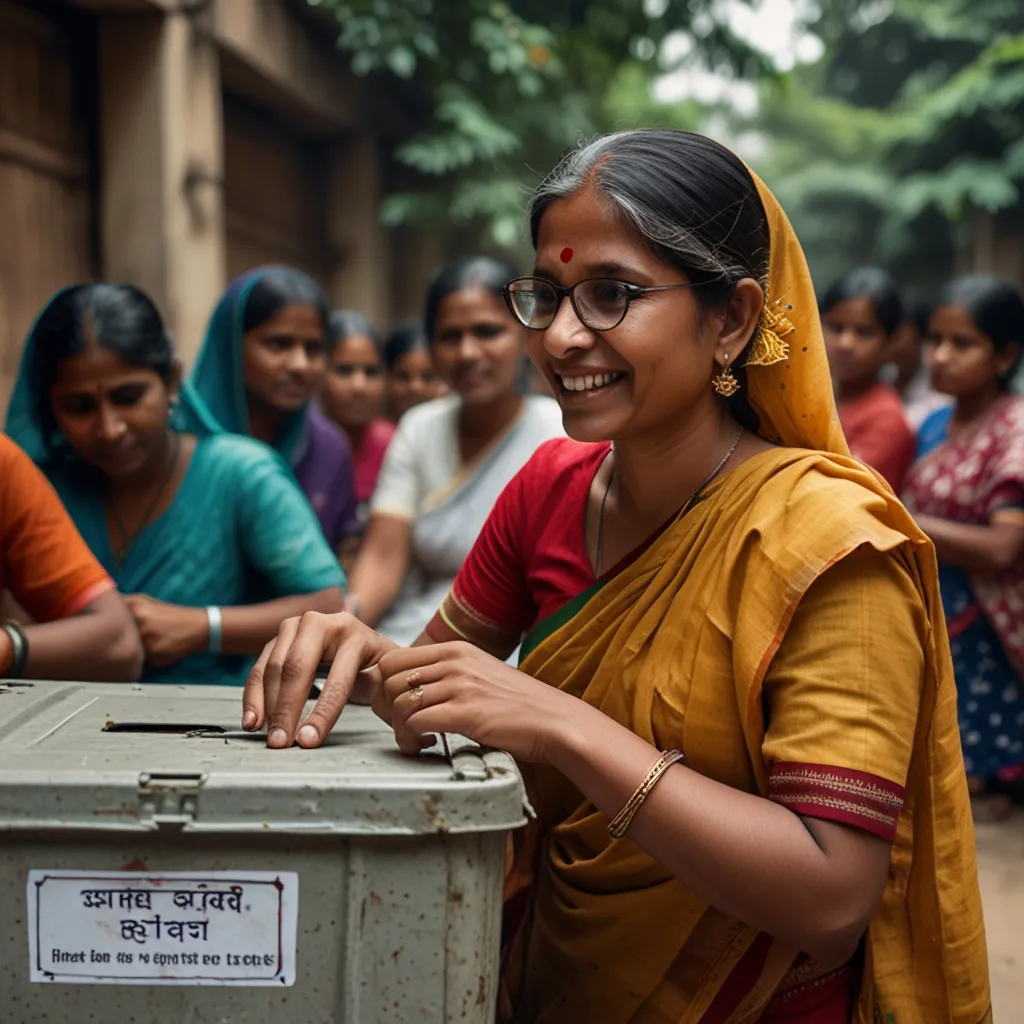
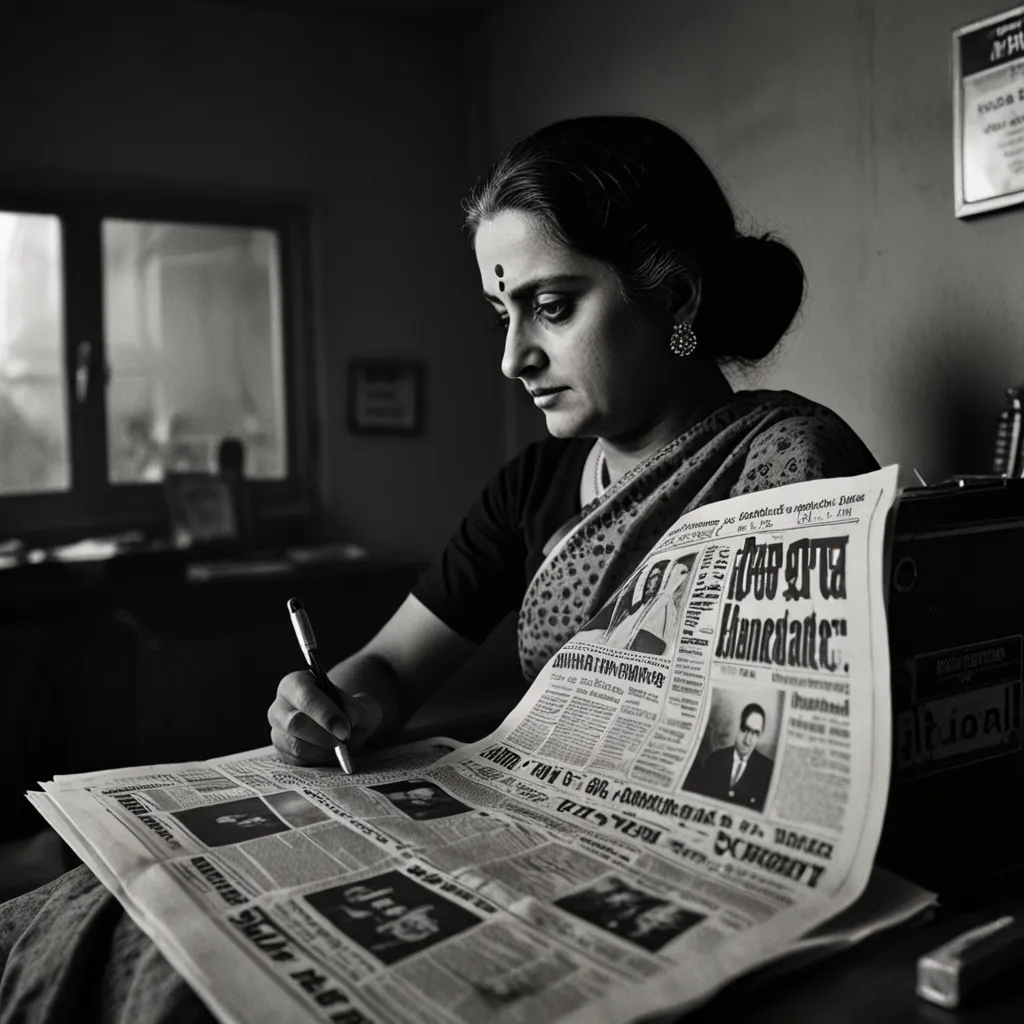
Women in India are shaking up the political scene, despite dealing with a bunch of hurdles. Their vote counts, more are running for office, and there’s a surge in political activism. Just look at the 2019 Lok Sabha elections where 78 women got elected, up from 52 in 2009. It’s clear women are playing a bigger role in Indian politics.
India’s got a federal setup, letting folks elect reps at both national and state levels. Yet, women are still underrepresented. In 2012, a mere 10.9% of national parliament members were women, though this is higher than in places like Hungary and Brazil. But the tide is slowly turning with more women stepping into political roles.
The major political parties in India, like the Indian National Congress and the BJP, get it. They see how crucial women voters are and have women’s wings to boost outreach. Take the BJP Mahila Morcha, for instance—they’re all about giving women more political muscle.
But let’s talk about the roadblocks. Illiteracy is a huge one. Women have a literacy rate of 65.46% compared to 82.14% for men. This gap means lots of women can’t get the info they need to dive into political issues. They’re often left out or laughed at in local political bodies, which is a total buzzkill for their participation.
Money—or the lack of it—is another biggie. Especially in rural areas, financial shakiness keeps women from joining meetings, running campaigns, or getting vital training. Being broke can seriously dampen their political firepower.
Mobility is also tricky. In rural parts, women sometimes need permission just to travel a little bit. Urban areas aren’t much better, with safety concerns keeping women closer to home. When mobility, education, finances, and social factors like caste and religion team up, they widen the gender gap in politics.
But things are looking up. In the 2019 elections, less than 10% of the candidates were women, but each win sets off a chain reaction. A victory here can spark another woman to run in the next cycle. Success breeds success, encouraging more women to take the plunge.
One standout area is panchayat leadership. Women leading these local bodies have been game changers, tackling local issues and lifting up communities. This grassroots involvement is vital for making sure women’s voices are heard.
Historically, social movements and legal reforms have powered women’s political engagement in India. Measures like the 73rd and 74th Constitutional Amendments have mandated reservations for women in local bodies, boosting their political clout.
There’s still a long road ahead. Tackling illiteracy, financial hiccups, and travel restrictions is key to upping women’s political game. Boosting their know-how, confidence, and voice can make a significant difference. As more women jump into politics, they inspire others, fostering a snowball effect towards gender equality.
To wrap it up, Indian women are making serious strides in politics. Despite the obstacles, their involvement in voting, activism, and leadership is climbing. As India breaks down more barriers, women are set to play an even bigger part in shaping the country’s political future.