Ancient Egyptian beauty rituals have captivated our imagination for centuries, offering a glimpse into a world where self-care was not just a luxury, but an essential part of daily life. These practices, steeped in history and mystique, continue to inspire modern beauty routines. Let’s explore six ancient Egyptian beauty rituals that can be seamlessly incorporated into our contemporary self-care regimens.
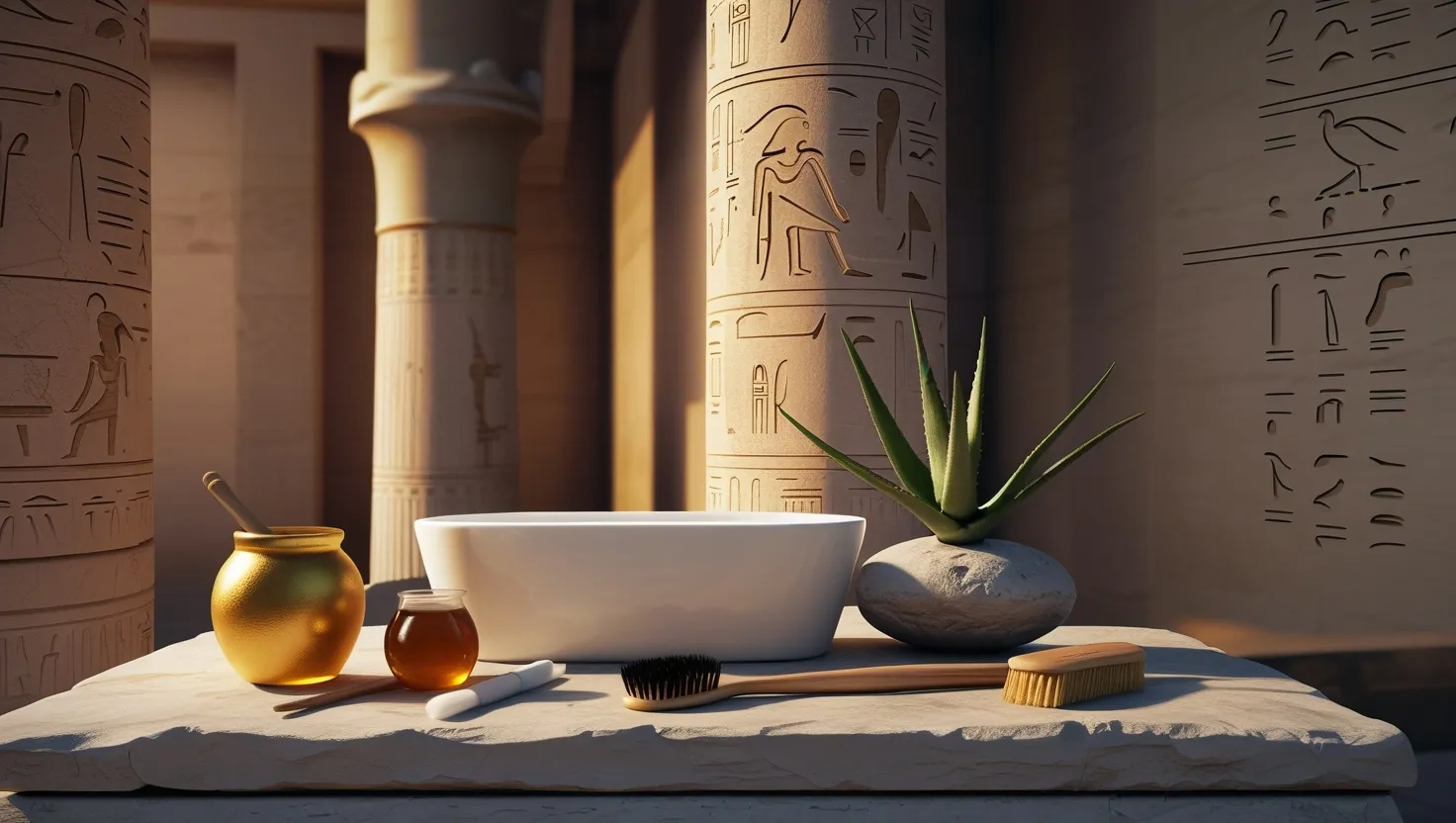
The honey and milk mask, a favorite of Egyptian queens, remains a timeless beauty secret. This simple yet effective treatment combines the moisturizing properties of milk with the antibacterial and humectant qualities of honey. To create your own royal treatment, mix equal parts raw honey and whole milk until smooth. Apply this luxurious blend to your face and neck, allowing it to work its magic for 15 minutes before rinsing with warm water. The result? Skin that feels nourished, soft, and radiant.
Have you ever wondered why aloe vera is so prevalent in modern skincare? The answer lies in ancient Egypt, where it was revered as the “plant of immortality.” This versatile succulent was a staple in Egyptian beauty routines, used for everything from soothing sunburns to treating minor cuts and skin irritations. To harness its power, extract fresh aloe gel from a leaf and apply it directly to your skin. Use it as a natural moisturizer or even as a hair conditioner to tame frizz and add shine.
“Beauty is not in the face; beauty is a light in the heart.” - Kahlil Gibran
This quote reminds us that true beauty emanates from within, a concept the ancient Egyptians understood well. They believed in holistic beauty practices that nourished both body and soul.
Dry body brushing, a technique that has gained popularity in recent years, has its roots in ancient Egyptian bathing rituals. The Egyptians used sisal brushes to stimulate circulation and exfoliate the skin. To incorporate this practice into your routine, use a natural bristle brush before bathing. Start at your feet and work your way up, using circular motions towards your heart. This invigorating ritual not only improves blood flow but also helps remove dead skin cells, leaving your skin smooth and glowing.
What if I told you that the secret to luscious, healthy hair was known thousands of years ago? The Egyptians were masters of herbal hair treatments, creating nourishing oils to strengthen and promote hair growth. To recreate their hair-enhancing elixir, mix olive oil with a few drops of rosemary essential oil and a splash of sweet almond oil. Massage this blend into your scalp and hair, leave it on for an hour, then wash as usual. Your hair will thank you for this ancient-inspired pampering session.
The iconic kohl-lined eyes of ancient Egyptians were more than just a fashion statement. This eye-defining practice served a practical purpose, protecting the eyes from the harsh desert sun and warding off infections. While we don’t recommend using lead-based kohl like the ancients did, you can create a natural alternative by mixing activated charcoal powder with a drop of almond oil. Apply this homemade liner around your eyes for a striking look that also offers protective benefits.
“The most alluring thing a woman can have is confidence.” - Beyoncé
This modern quote echoes the ancient Egyptian belief that beauty is as much about inner confidence as it is about outward appearance. Their beauty rituals were designed not just to enhance physical attributes, but to boost self-assurance and well-being.
Perhaps the most indulgent of all Egyptian beauty rituals was the milk bath, famously enjoyed by Cleopatra herself. This luxurious treatment is surprisingly easy to recreate at home. Simply add two cups of whole milk and a generous dollop of honey to your warm bath water. Soak in this nourishing blend for 20 minutes, allowing the lactic acid in the milk to gently exfoliate your skin while the honey moisturizes. After your bath, pat your skin dry and immediately apply your favorite moisturizer to lock in the benefits.
As we reflect on these ancient practices, it’s clear that the Egyptians understood the importance of self-care long before it became a modern buzzword. Their beauty rituals were not just about achieving physical perfection, but about nurturing the whole self - body, mind, and spirit.
How might incorporating these ancient rituals into your routine change your approach to self-care? Could these natural alternatives offer a more holistic approach to beauty than modern products?
By embracing these time-tested beauty secrets, we’re not just pampering ourselves; we’re connecting with a rich history of self-care that spans millennia. The ancient Egyptians recognized that true beauty comes from within, nurtured by rituals that promote relaxation, rejuvenation, and self-love.
In our fast-paced world, taking the time to indulge in these ancient practices can be a powerful act of self-care. Whether you’re mixing up a honey and milk mask, dry brushing before your morning shower, or soaking in a Cleopatra-inspired milk bath, you’re participating in a beauty tradition that has stood the test of time.
As we conclude our journey through ancient Egyptian beauty rituals, consider this: What wisdom from the past can we apply to our modern lives to achieve a more balanced, beautiful existence? Perhaps the answer lies in these simple, natural practices that have endured for thousands of years.