Alright, let’s break it down simply and keep it casual. We’re talking about keeping your bones strong and dodging osteoporosis - it’s a lifelong game plan, starting from when you’re a kid up until you’re a senior. Here’s how to make sure your bones stay as tough as nails.
Start ‘Em Young
Building strong bones kicks off in childhood and teenage years. That’s when your body packs in most of its bone mass. Get kids munching on calcium-packed foods like milk, yogurt, and leafy greens early on. Don’t forget the sun – get them some good Vitamin D, which is a must for bone health.
Move It for Bone Power
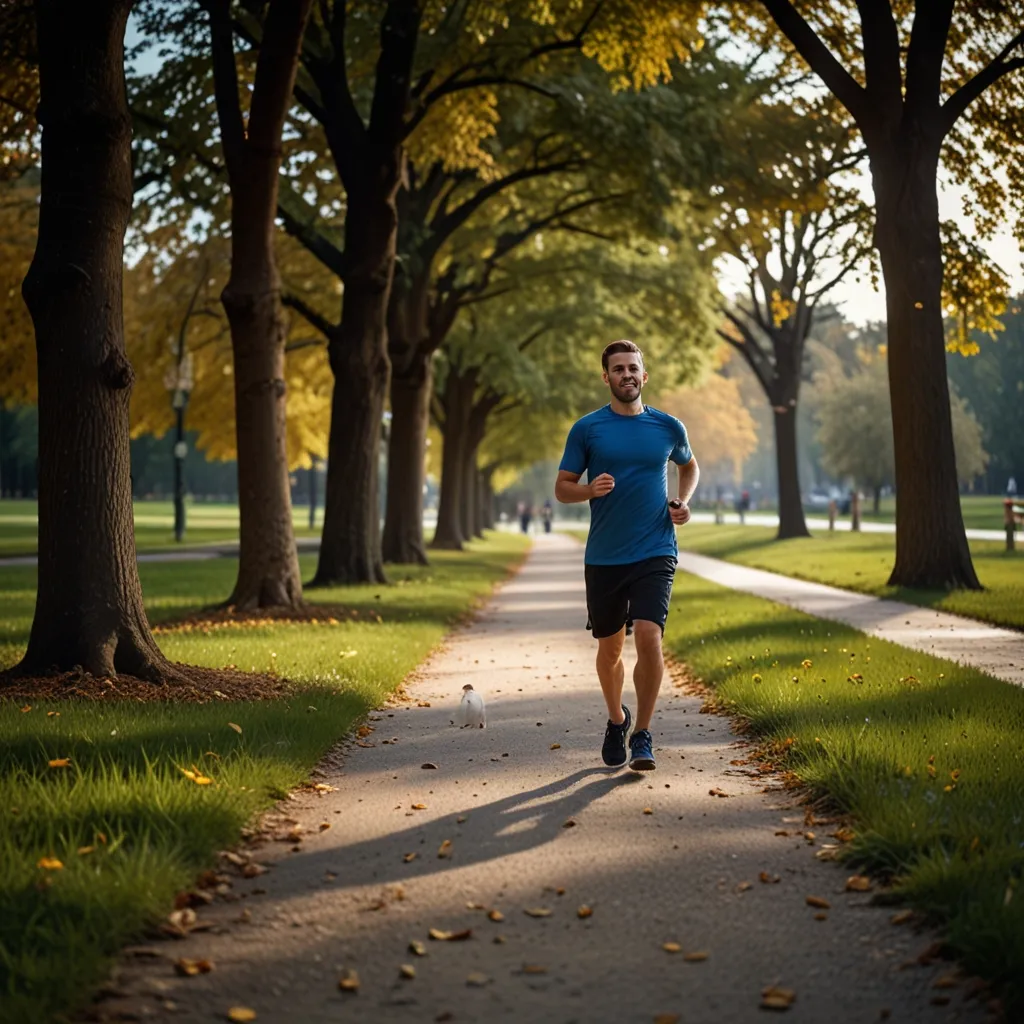
Exercise plays a huge role in preventing osteoporosis. Think weight-bearing actions like walking, jogging, dancing, or even climbing stairs. These activities push your body to fight gravity, which builds stronger bones. Strength training with weights or resistance bands also helps, making your bones even tougher.
Eat Right
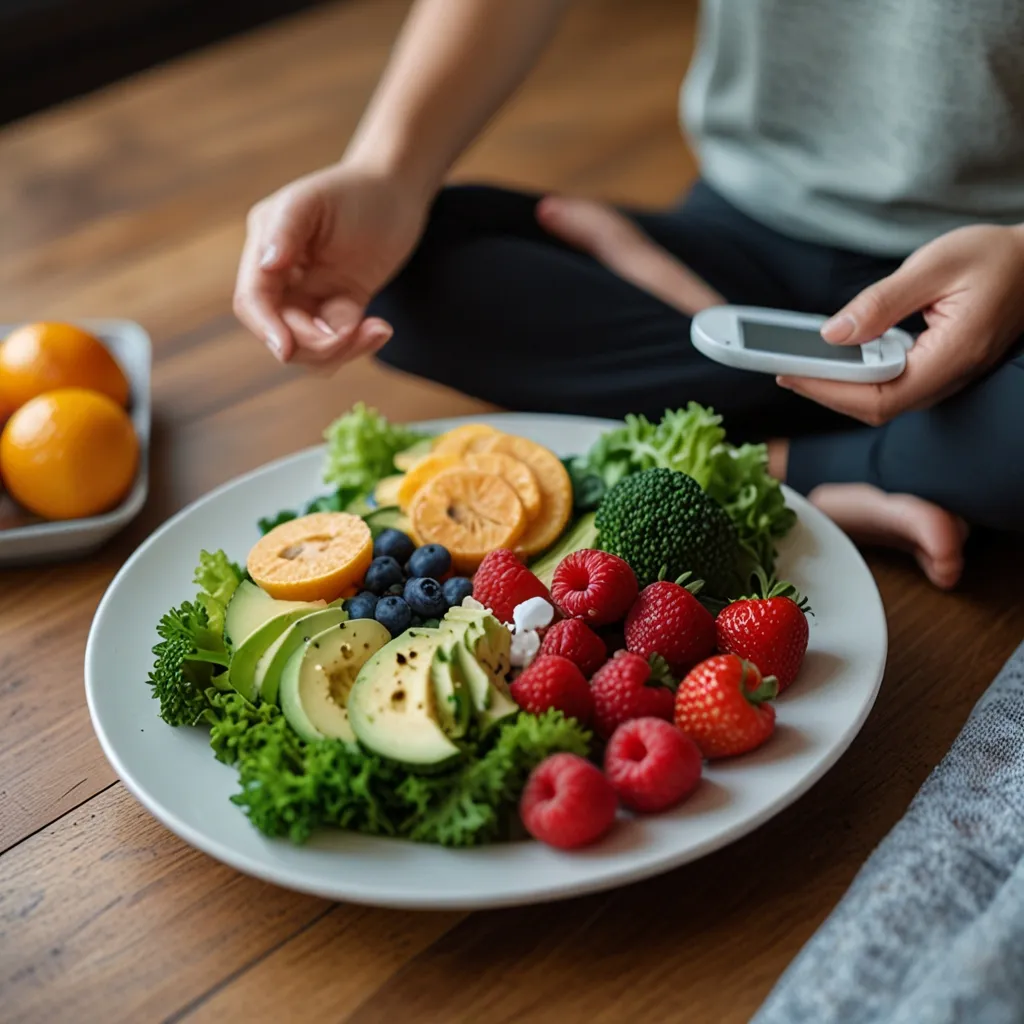
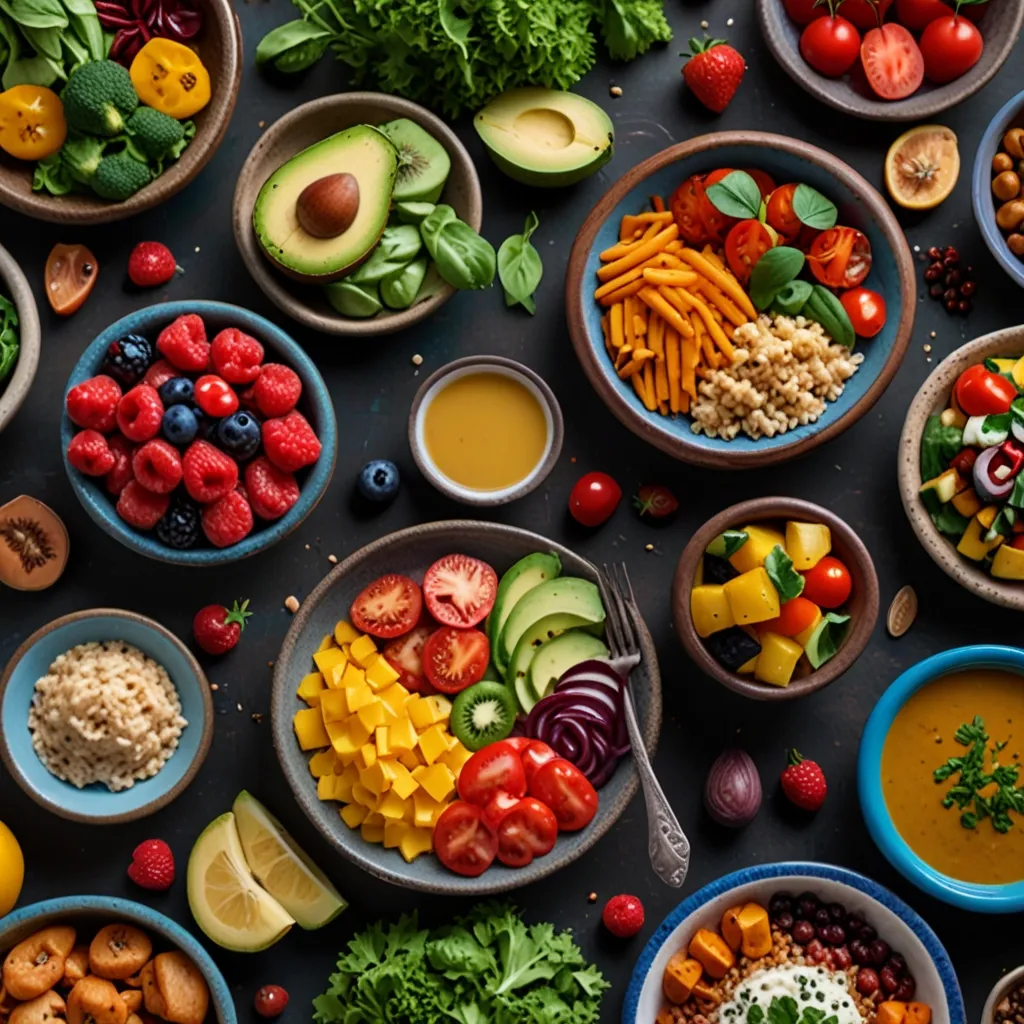
A balanced diet is your bone’s best friend. Target about 1,000mg of calcium daily from dairy products, fortified plant-based milk, and veggies. Vitamin D is crucial too – it helps your body soak up calcium. While sunlight provides Vitamin D, supplements can help out, especially if you’re indoors a lot.
Healthy Lifestyle Choices
Lifestyle habits matter big time! Smoking and heavy drinking can make bones brittle. So, ditch the smokes and limit booze to a couple of drinks a day. Also, go easy on sodas – they can mess with calcium absorption.
Getting Medical Help
Some folks at higher risk might need meds to prevent bone loss and fractures. These can either slow down bone breakdown or encourage bone growth. But, it’s something to tailor to personal needs and keep under check with medical advice.
Bone Density Checks
Ever heard of a bone density test, like a DXA scan? It measures bone strength and predicts osteoporosis risk. Women over 65 and younger ones with higher fracture risks should definitely consider this. Talking to the doc about it can give a clear picture of your bone health.
Women and Hormones
For women, menopause can speed up bone loss due to dropping estrogen levels. Though Hormone Replacement Therapy (HRT) is an option, it’s not the first choice for preventing osteoporosis. Young women, especially athletes, need to balance diet and maintain regular menstrual cycles to avoid issues like thin bones or irregular periods.
Osteoporosis in Kids
While rare, kids can get osteoporosis due to medical problems or long-term meds. Ensuring they get enough calcium and Vitamin D can help keep this at bay.
Wrap-Up
Keeping osteoporosis at bay involves staying active, eating well, and making smart lifestyle choices. Start young and stick with it throughout life to keep bones strong. Always chat with a healthcare provider before making any big changes. Keeping bones healthy isn’t just about avoiding breaks—it’s about a lifetime of living well.