Can Tackling Stress be as Simple as Walking and Sleeping?
Taming the Stress Monster: Blending Awareness, Lifestyle, and Practical Techniques for a Healthier Life

Managing chronic stress might sound like a daunting journey, but it’s really about blending self-awareness, lifestyle changes, and some practical techniques. You wouldn’t believe it, but stress isn’t always the bad guy. A little bit can actually keep you on your toes. But when it overstays its welcome and turns chronic, that’s when trouble begins, knocking the wind out of both your mental and physical health.
First, let’s get on the same page about what chronic stress is. Imagine being on high alert all the time, with your body pumping out stress hormones like adrenaline and cortisol non-stop. This endless state of readiness can drain your energy, make you anxious, and even weaken your immune system. Recognizing chronic stress isn’t tricky – think nonstop headaches, muscle pains, or those restless nights where sleep is a distant dream.
Now, what can actually help in taming this stress monster?
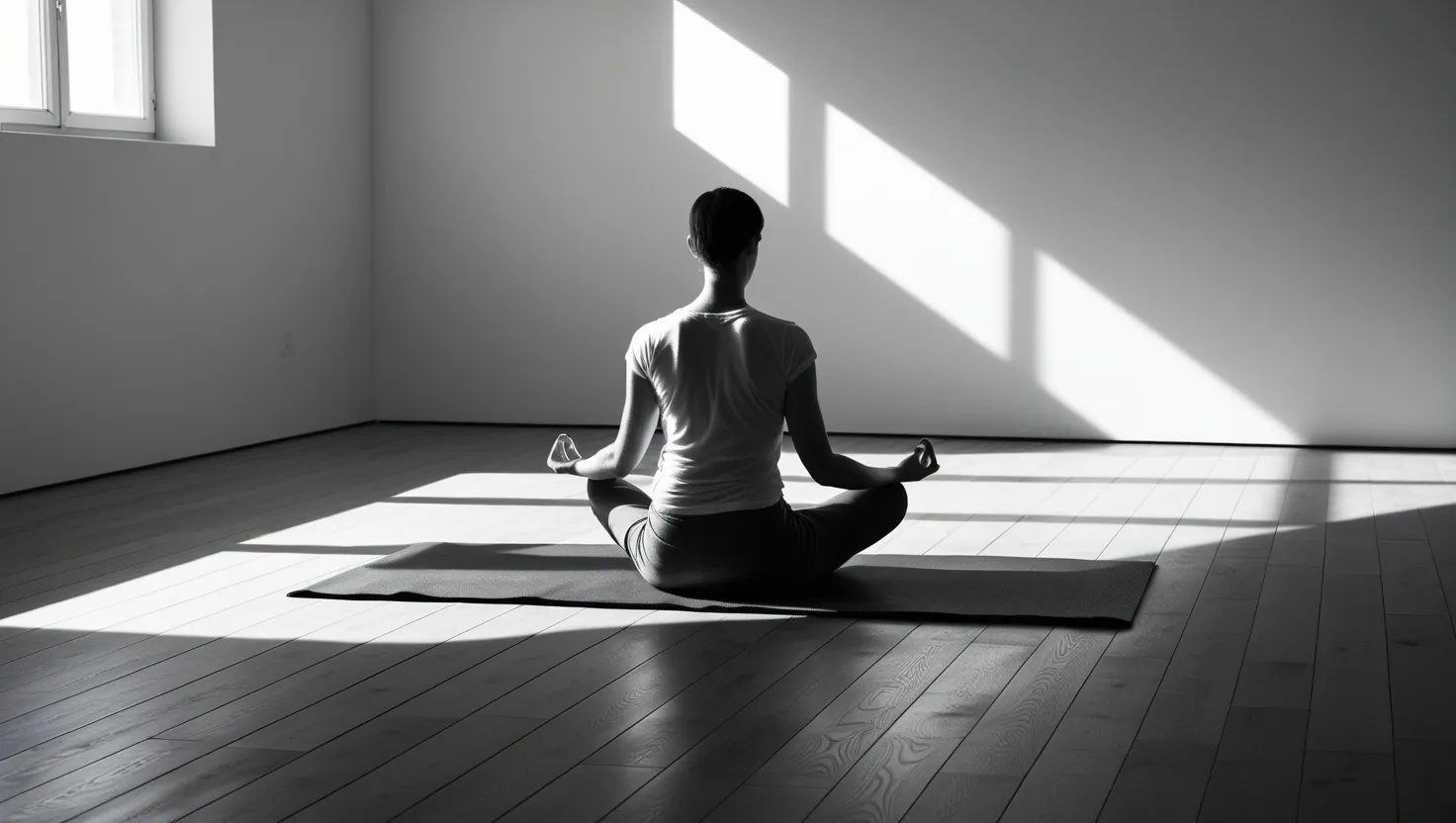
Physical activity is like magic for stress management. Don’t worry, you don’t need to transform into a gym rat. Even a brisk walk around the block can work wonders. For those who like breaking a sweat, activities like jogging, dancing, or swimming are mood boosters. If you prefer something more chilled, try tai chi or yoga. These practices marry gentle movements with deep breathing and zen-like meditation, calming both the mind and body.
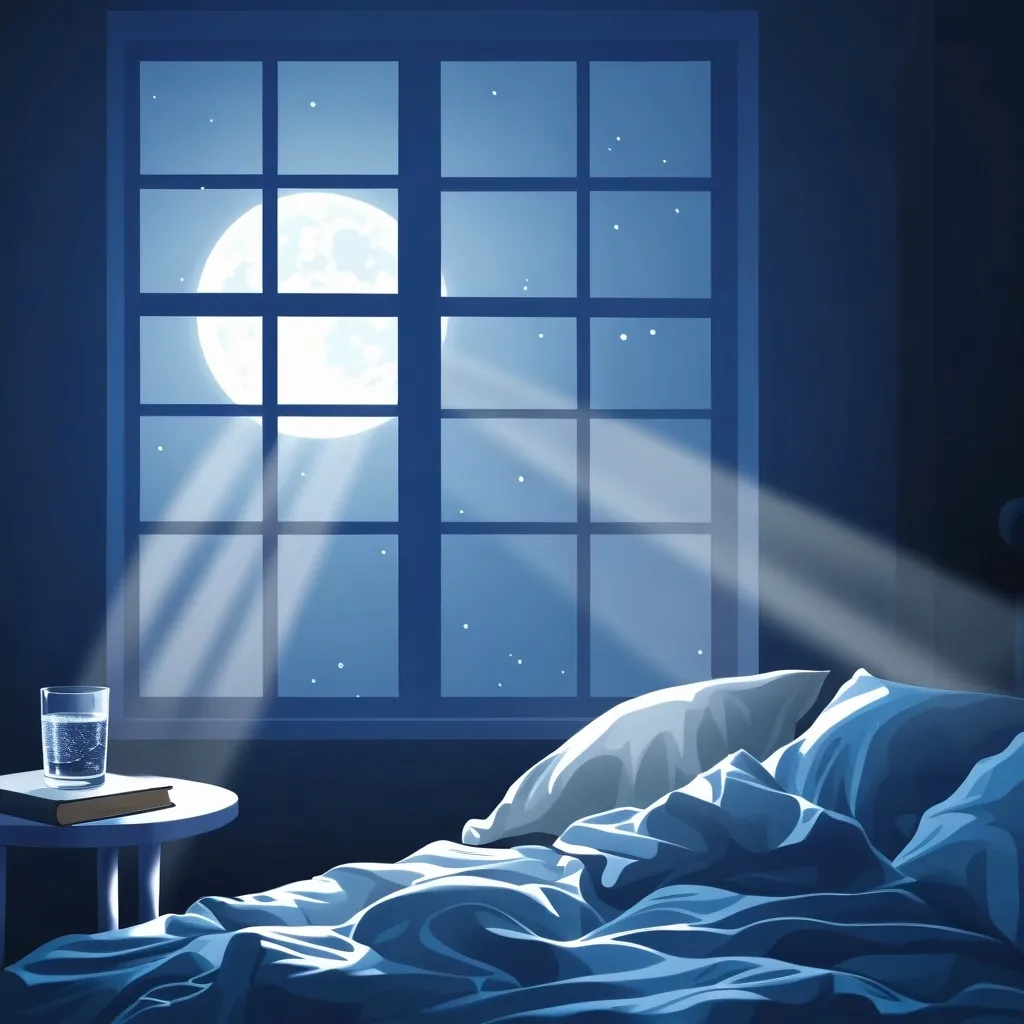
Another key player in the stress game is sleep. Good, restful sleep. It’s during those precious hours that your brain sorts through the day’s chaos, leaving you ready to tackle tomorrow. Aim for a solid 7-8 hours every night and stick to a bedtime routine to up the quality of your sleep.
Nutrition walks hand-in-hand with sleep. Eating a balanced diet brimming with fruits, veggies, and whole grains gives your body the fuel it needs to combat stress. Keep sugary and high-fat foods at bay—they only lead to energy crashes and more stress. And remember, staying hydrated is crucial.
When it comes to relaxation techniques, the options are endless. Meditation tops the list. It’s all about focusing on your breath or a simple mantra to shush the mind. Just a few minutes each day can be a game-changer. Deep breathing exercises, progressive muscle relaxation, and mindfulness practices are also stellar ways to reduce stress and boost your overall well-being.
No one should face stress alone. Having a solid support system can be a lifesaver. Surround yourself with positive people who offer emotional support and practical help. Building and maintaining social connections fortifies your resilience against stress and gives you a sense of community.
Juggling daily tasks can be stressful, but effective time management can take the edge off. Prioritize your workload, tackling the most important tasks first. Break the big, daunting tasks into smaller, digestible chunks and avoid spreading yourself too thin. Don’t forget to take regular breaks and be kind to yourself. Achieving a healthy work-life balance is key.
Mindfulness is another powerful tool. Practices like mindfulness-based stress reduction (MBSR) keep you grounded in the present moment, encouraging you to observe your thoughts and feelings without judgment. This can curb anxiety about the future or regrets about the past.
Shifting your view on stressful situations can also help. Instead of seeing challenges as brick walls, think of them as stepping stones for growth. Focus on what you can control and make peace with what you can’t. Practicing gratitude by regularly reflecting on the positive aspects of your life keeps things in perspective too.
Engaging in creative activities can be a fabulous escape from stress. Whether it’s painting, writing, or strumming a guitar, these pursuits let you channel emotions and provide a sense of accomplishment. Plus, they’re fun!
Self-care deserves its own spotlight. Make time for activities that bring you joy and relaxation. This could be anything from immersing yourself in a good book, taking a soothing bath, or soaking in the beauty of nature. Your well-being is paramount, so take those well-deserved breaks.
Sometimes, stress can become too much to handle alone. If it starts to impact your daily life, seeking professional help is a wise step. Cognitive-behavioral therapy (CBT) and other forms of counseling equip you with tools and support to manage stress effectively.
In the grand scheme of things, managing chronic stress involves a mix of physical activity, solid sleep and nutrition, relaxation techniques, a supportive social network, time management, mindfulness, creative outlets, self-care, and sometimes professional assistance. By integrating these strategies into your daily routine, you arm yourself with the resilience to tackle stress head-on and flourish in overall health and well-being.