The keto diet, everyone’s talking about it! It’s a low-carb, high-fat way of eating that’s grabbing headlines for helping folks drop pounds and boost overall health. So, what’s the deal? Basically, you cut way back on carbs and up your fat intake, pushing your body into a state called ketosis. This means your bod starts burning fat for fuel instead of carbs—it even churns out these things called ketones in your liver that can fire up your brain.
Sure, it’s got some things in common with other low-carb diets like Atkins, but keto’s in a league of its own with its super low carb limits. A typical keto meal plan is about 70% fat, 20% protein, and just 10% carbs. There are a few different flavors of keto, like the cyclical version where you mix in some carb days, or the targeted version, which allows carbs around workouts. But the standard and high-protein versions? They’re the biggies everyone talks about.
One cool thing about keto is how it can help tackle certain health issues. It’s been a game-changer for people dealing with epilepsy and even shows promise for diabetes, heart troubles, and some brain conditions. Plus, it can keep blood sugar and insulin levels in check—a win for anyone looking to dodge type 2 diabetes.
Getting into ketosis takes a bit of time—think a few days of keeping those carbs under 50 grams daily. As your body burns through its easy-access sugar fuel, it shifts to breaking down protein and fat for energy. This switch-up can lead to weight loss and a leaner bod.
But don’t think it’s all smooth sailing. Adjusting to keto can slam you with the “keto flu,” leading to headaches, tiredness, and even constipation. Usually, these icky feelings are temporary as your body gets in the groove. Other potential side effects? Think bad breath, low blood sugar, indigestion, and rarely, stuff like kidney stones or a buildup of acid.
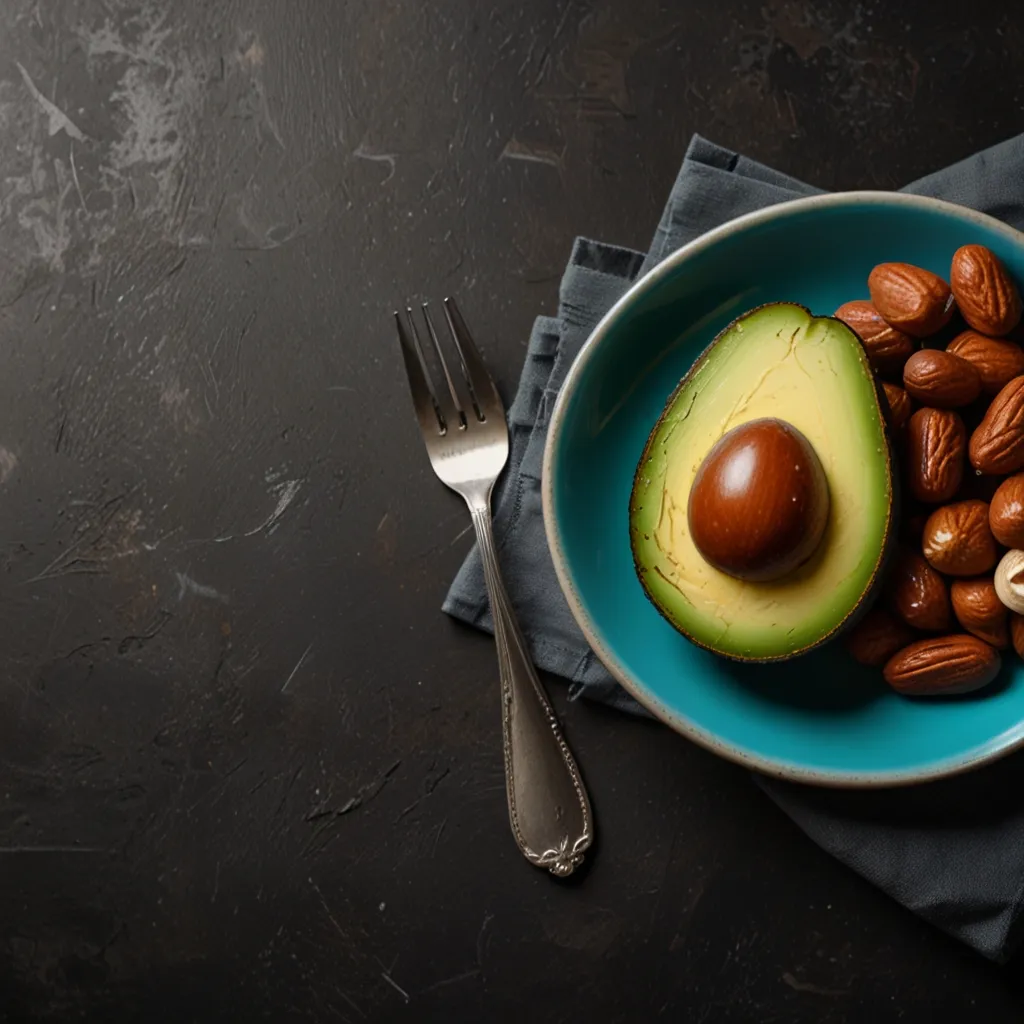
To nail keto, keep an eye on what you eat. Even healthy veggies like kale and broccoli can’t go overboard ‘cause they’re packed with carbs. Fish, eggs, and lean meats are your go-to proteins in moderation to keep muscle mass strong. Load up on fatty foods like seeds, nuts, avocados, oils, and butter to stay in ketosis. And guzzle lots of water—cutting carbs means losing water weight fast, and staying hydrated can ward off kidney issues.
There’s also buzz about keto for endurance athletes. It might boost muscle-to-fat ratios and help the body use more oxygen during intense workouts. But it might not be the gold standard for peak performance compared to other eating plans.
To wrap it up, keto’s a strict but promising diet path that can lead to major weight loss and better health. It’s not for everyone, especially if you’ve got certain health conditions. So, it’s always smart to chat with a healthcare pro before diving into a diet this intense.