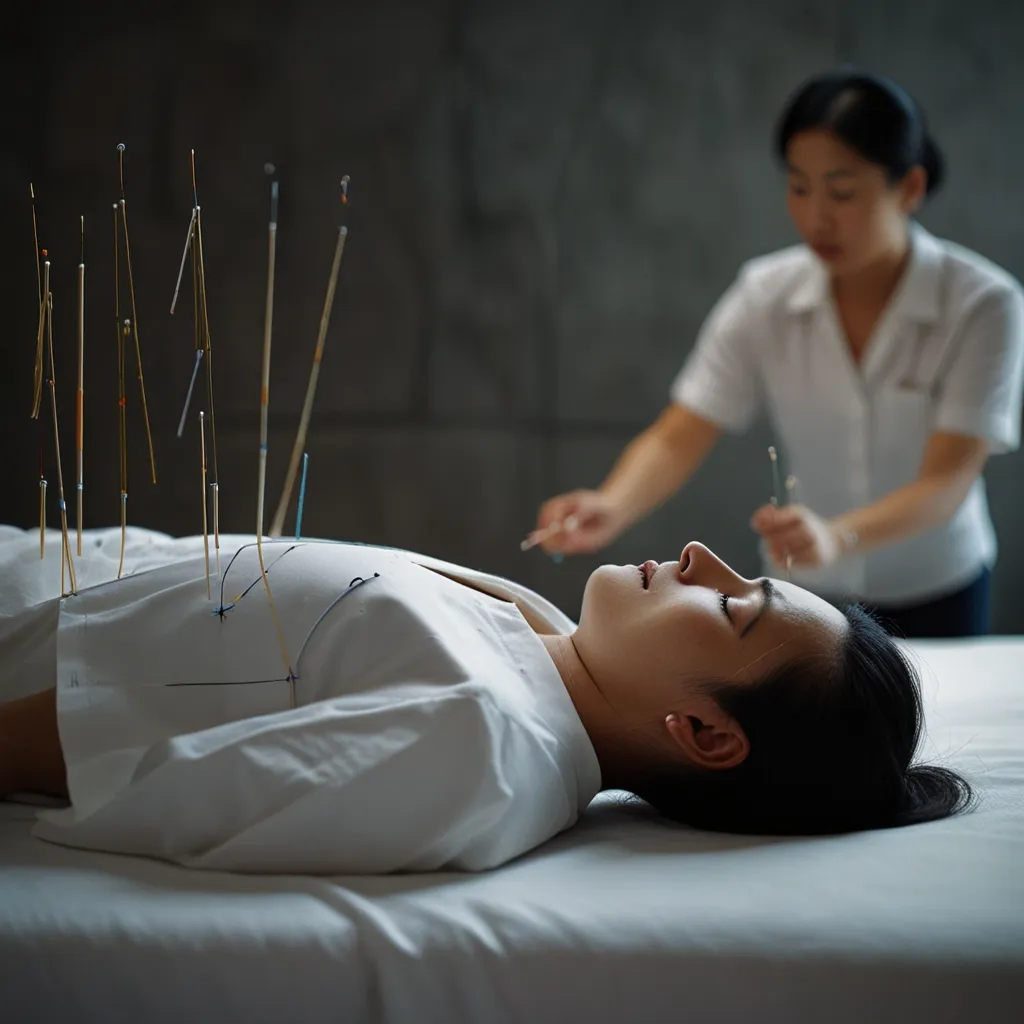
Acupuncture has been around for thousands of years, a staple of traditional Chinese medicine that’s still making waves today. It’s all about sticking hair-thin needles into specific body points, aiming to spark up the central nervous system. This practice can crank out chemicals that help ease pain and boost overall well-being. But how does this ancient art stand up to modern painkillers and other treatments?
A pretty mind-blowing study compared acupuncture to intravenous morphine in an emergency room setting. The results might surprise you: acupuncture had a 92% success rate in cutting pain by at least 50%, while morphine came in at 78%. What’s even crazier is that acupuncture worked faster, taking about 16 minutes on average to kick in, compared to morphine’s 28 minutes. Plus, it seemed safer too, with only 2.6% of folks having minor issues, versus a whopping 56% for morphine.
Acupuncture isn’t just for acute situations either. When it comes to chronic pain like low back pain, acupuncture shines. Multiple studies have shown it can improve functional status and dial down pain when other treatments fall short. The American College of Physicians even gives acupuncture a thumbs-up as a first-line, non-drug treatment for chronic low back pain. This backing comes from loads of clinical trials that find acupuncture outperforms placebo treatments and no treatment at all for back pain, osteoarthritis, and headaches.
But how does acupuncture actually work? Western medicine still doesn’t have a clear picture, but research hints that it messes with the brain’s pain network. It seems to activate opioid receptors in the brain, which help manage pain—but without the drugs. Needles at acupuncture points nudge the central nervous system to release chemicals into muscles, the spinal cord, and the brain. These biochemical tweaks help the body heal itself and bolster both physical and emotional well-being.
While acupuncture boasts plenty of benefits, it’s not a magic bullet for everything. For instance, it’s shown limited success in boosting fertility during in vitro fertilization treatments. Yet, for issues like chronic obstructive pulmonary disease and constipation, acupuncture has strong backing. Just keep in mind, acupuncture isn’t a substitute for conventional medical treatment. Often, it’s most effective when teamed up with other therapies.
If you’re thinking about giving acupuncture a shot, picking a licensed and experienced practitioner is key. Incorrect needle placement can make the treatment painful, and although serious complications are rare, they can happen if the practitioner isn’t up to snuff. The FDA keeps an eye on acupuncture needles, ensuring they hit the same standards as other medical devices. Some states have training standards for certification too, but not all require licensing, so it’s wise to get a referral from your healthcare provider to find a legit practitioner.
Acupuncture costs can vary, and insurance coverage isn’t always a sure thing. Before diving in, it’s crucial to ask about the treatment timeline and costs involved. Some insurers cover acupuncture, while others don’t, so checking your coverage ahead of time is a smart move.
All in all, acupuncture is a potent ally in pain management. It may not be as universally recognized as modern pain relief methods, but the evidence supporting its effectiveness is mounting. From chronic low back pain to migraines and even addiction, acupuncture provides a non-drug alternative that can stand alone or complement conventional therapies. As researchers keep digging into how acupuncture works, it’s clear this ancient practice holds a valuable place in today’s medical toolkit.