Could Simple Habits Hold the Secret to Mastering Blood Sugar Levels?
Navigating the Sweet Symphony of Balanced Blood Sugar and Well-Being
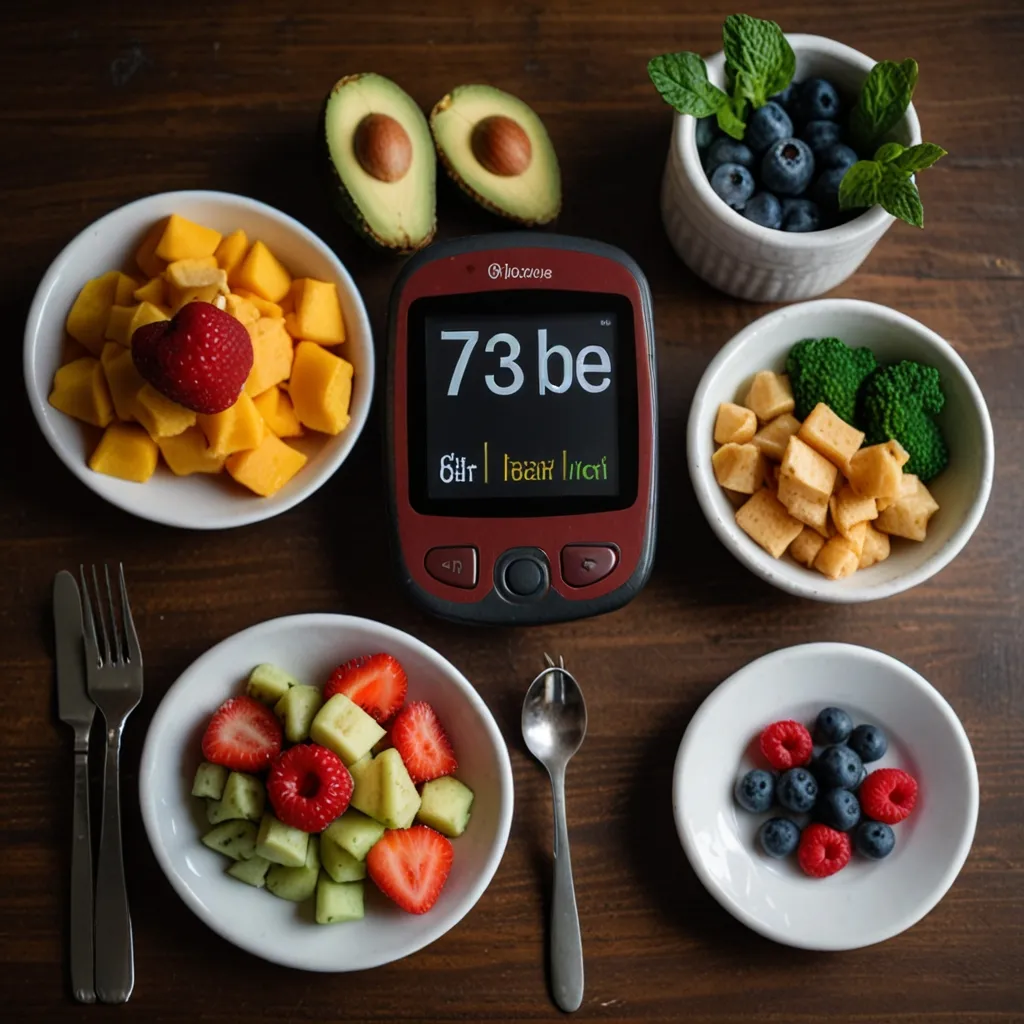
Managing blood sugar levels is more than just a health necessity for people with diabetes; it’s a pathway to overall better well-being. Let’s unpack how to keep those blood sugar levels in check with some practical and easy-to-follow steps.
Alright, let’s get straight to the basics. Blood sugar, or glucose, is like fuel for our bodies, coming from the carbs we munch on. Insulin, that nifty hormone the pancreas churns out, helps our cells gobble up glucose from the blood. But, for folks with diabetes, this process hits a snag—either there’s not enough insulin, or the body can’t use it effectively, leading to those notorious high blood sugar levels.
First up, eating right. Picture this: a plate loaded with whole, unprocessed foods. We’re talking veggies, fruits, whole grains, beans, nuts, and lean proteins. These goodies are packed with fiber and nutrients, keeping blood sugar levels from spiking like a caffeinated squirrel. Steering clear of sugary drinks, refined carbs, and highly processed fare is a smart move too.
Now, when it comes to carbs, it’s a bit of a love-hate relationship. Carbs break down into glucose, making them the main influencer of our blood sugar levels. That’s why counting carbs can be a game-changer. By tracking the grams of carbs consumed daily, especially if you’re on insulin, you can better match your insulin doses to your intake. Think whole grains, fruits, and veggies over white bread and candy bars.
But hey, not everyone’s into the math game of carb counting. Enter the plate method. Grab a 9-inch plate and fill half with non-starchy veggies like lettuce and broccoli. Split the other half between lean proteins like fish or beans and healthy carbs like whole grains or fruit. It’s a no-fuss way to keep portions balanced and blood sugar stable.
Speaking of portions, size matters. Using everyday items can help visualize serving sizes. A portion of meat or poultry? Think deck of cards. Cheese? Imagine six grapes. Using measuring cups or a scale can also nail down the right amounts.
Balancing meals and meds is another piece of the puzzle. Eating too little can drag blood sugar down to dangerous lows, while eating too much can send it skyrocketing. Check in with your healthcare team to sync up your meal and medication schedules for smooth sailing.
Sugary drinks? Best to limit those. They’re high in calories and can spike blood sugar faster than you can say “soda pop.” But keep them in your back pocket for emergencies—like when blood sugar dips too low.
Let’s not forget exercise. Moving around, whether it’s a brisk walk, some gardening, or hitting the gym, helps muscles use blood sugar and boosts insulin sensitivity. Aim for about 150 minutes of moderate exercise weekly. Quick tip: track how your blood sugar responds before and after workouts to fine-tune your routine.
Stress is a sneaky culprit for high blood sugar. Stuff like glucagon and cortisol hormones ramp up when stressed. Managing stress through activities you love, like exercise, meditation, or even a hobby, can help keep blood sugar levels more stable.
Good sleep is a game changer too. Skimping on sleep can mess with insulin and hike up blood sugar levels. Aim for those golden 7-8 hours a night, keep a regular sleep schedule, and create a cozy sleep environment to get quality shut-eye. Also, reducing caffeine and alcohol before bed can make a difference.
Keeping tabs on your blood sugar is like having a map for your health journey. Regular checks show how diet, activities, and meds are affecting your blood sugar. Note down readings to spot trends and tweak your plan. Check around meal times and exercise to get a clear picture.
A healthy weight goes hand in hand with blood sugar control. For those above their ideal weight, even shedding a few pounds can improve insulin sensitivity and manage blood sugar better. Combine a good diet with regular exercise for the best results.
Quitting smoking? It’s super beneficial. Nicotine not only raises the risk of heart disease and other issues but also complicates diabetes management. Kicking the habit is a big win for overall health and better blood sugar control.
In a nutshell, keeping blood sugar in check involves a blend of balanced eating, regular exercise, stress management, sound sleep, and consistent monitoring. Embrace these steps, and over time, they’ll add up to make a significant difference. Start small, aim high, and gradually shift towards a healthier lifestyle.