Could You Spot the Sneaky Signs of a Heart Attack Before It's Too Late?
When Heart Whisper Becomes a Scream: The Silent Danger of Heart Attacks
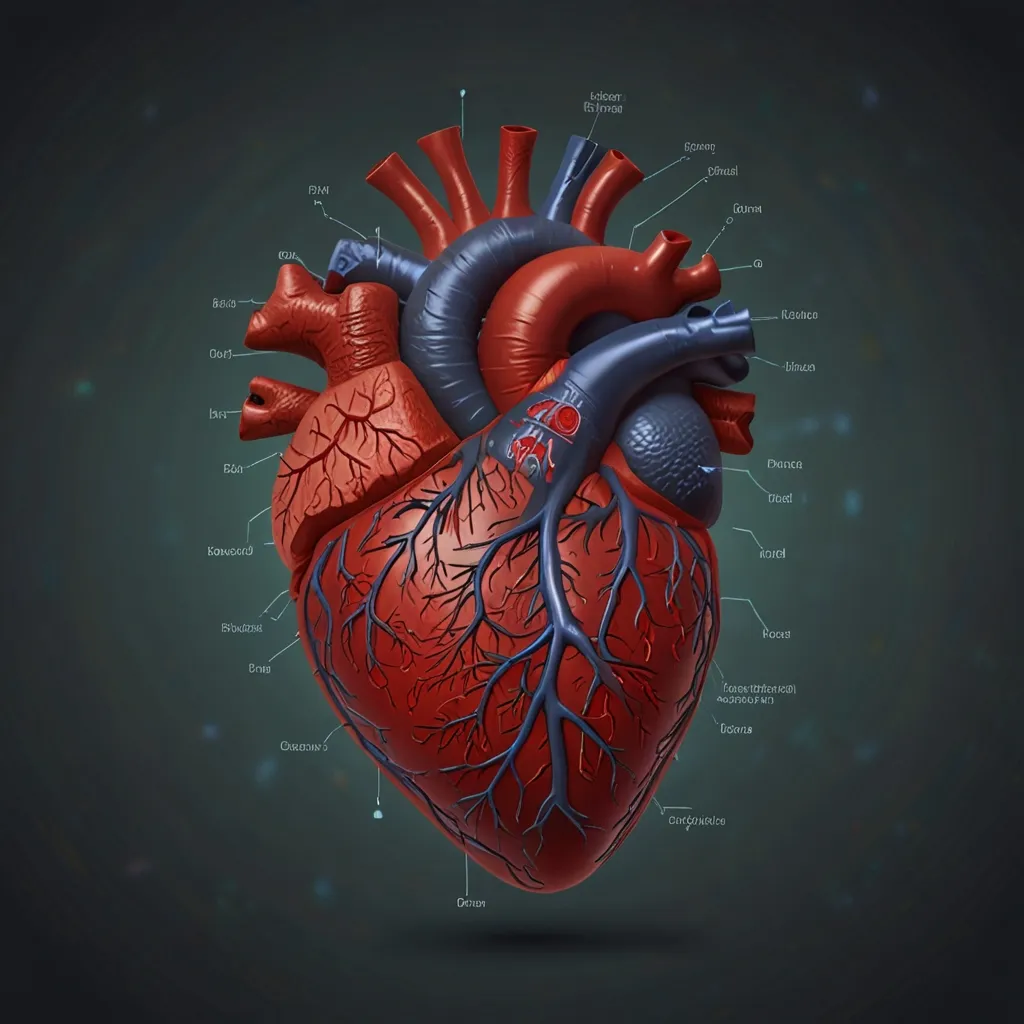
Heart attacks are no joke and can hit anyone, anytime. It happens when the heart’s blood flow takes a serious hit, often because those pesky fats and cholesterols pile up in your arteries. This pile-up, called atherosclerosis, can cause a nasty blockage, damaging the heart muscle.
Recognizing the signs? Super important! Chest discomfort is the big one—think pressure, tightness, or pain smack in the center. It can be mild, so don’t brush it off as just heartburn. You might also feel pain in your arms, back, neck, jaw, or even your stomach. Shortness of breath is another red flag, with or without the chest pain. Other symptoms? Cold sweats, nausea, and lightheadedness.
Now, it’s not always a Hollywood heart-clutching scene. Especially for women, older folks, and those with diabetes, the signs can be sneakier. Think nausea, neck or arm pain, backache, or just feeling winded. Sometimes, the first sign is sudden cardiac arrest—yep, that’s super serious.
Before you even hit the heart attack, there could be warning signs for days, even weeks. Recurring chest pain or pressure? That’s your cue to get checked out, pronto. Quick treatment can save the day and minimize heart damage.
Heart attacks come in different shades. A STEMI means your artery’s totally blocked. An NSTEMI? It’s narrowed but not closed. Then there are those MINOCA attacks where blockages aren’t obvious but the heart’s still in distress.
Confused about heart attacks vs. cardiac arrest? A heart attack is a plumbing issue in the arteries, while cardiac arrest is an electrical problem causing the heart to just stop. Cardiac arrest needs immediate CPR and an emergency call.
Don’t mix up heart attacks and angina, either. Angina’s like a pre-warning—a chest pain or discomfort that hits during physical activity but chills out with rest or medication.
Act fast if a heart attack’s on the horizon. Call 911 immediately. If that’s not an option, getting someone to drive you to the hospital is Plan B. Driving yourself? Only if it’s the absolute last resort.
After a heart attack, recovery is key. It might mean meds for heartbeat hiccups, blood pressure, chest pain, and even heart failure. Lifestyle tweaks like ditching smokes, regular exercise, and eating right can keep future heart attacks at bay.
Bottom line? Knowing the signs and acting quickly can save lives. Chest pain, upper body discomfort, shortness of breath, cold sweats, nausea, and lightheadedness are all serious. Don’t play it cool—get help.