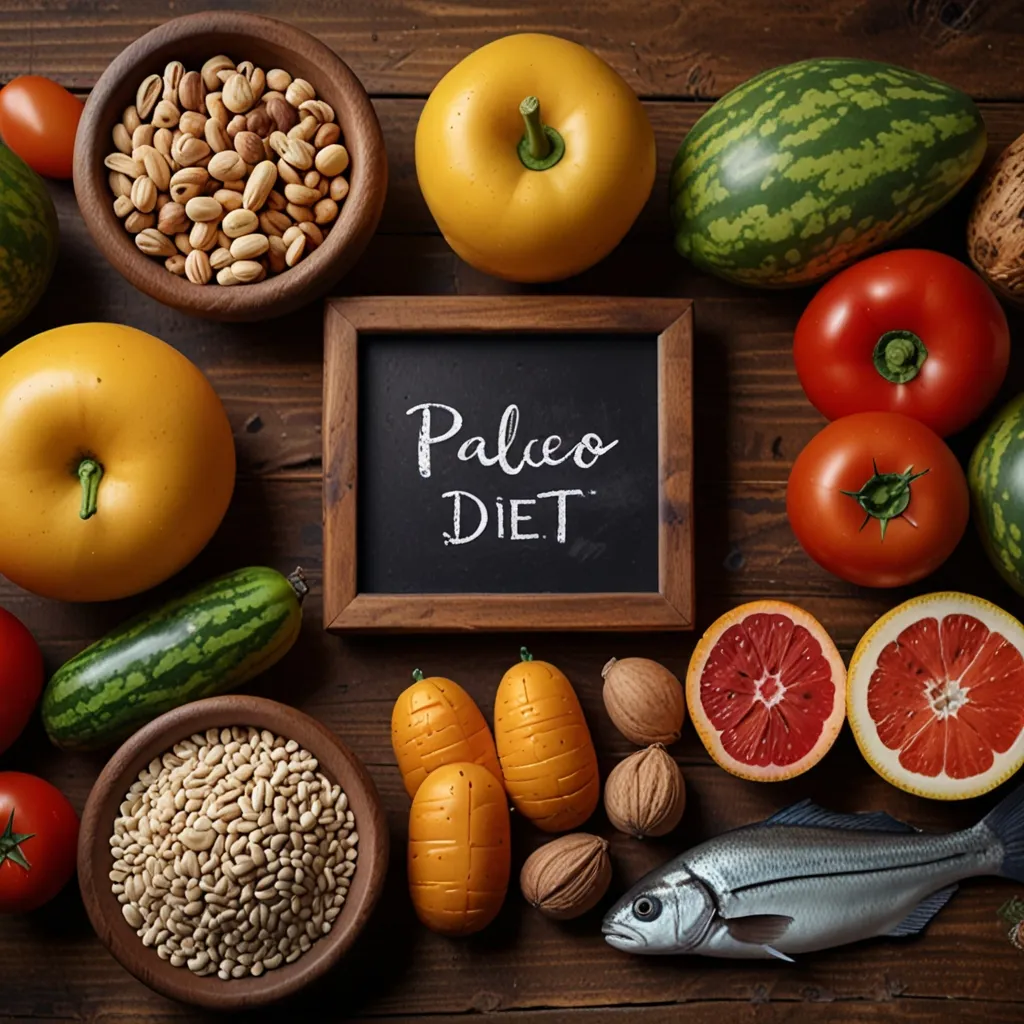
The paleo diet, also known as the caveman or Stone Age diet, takes us back to basics. It’s all about mimicking what our ancestors from the Paleolithic Era, roughly 2.5 million to 10,000 years ago, would have eaten. The thinking here is that our genes haven’t shifted much since their time, so eating their way could be a win for our health.
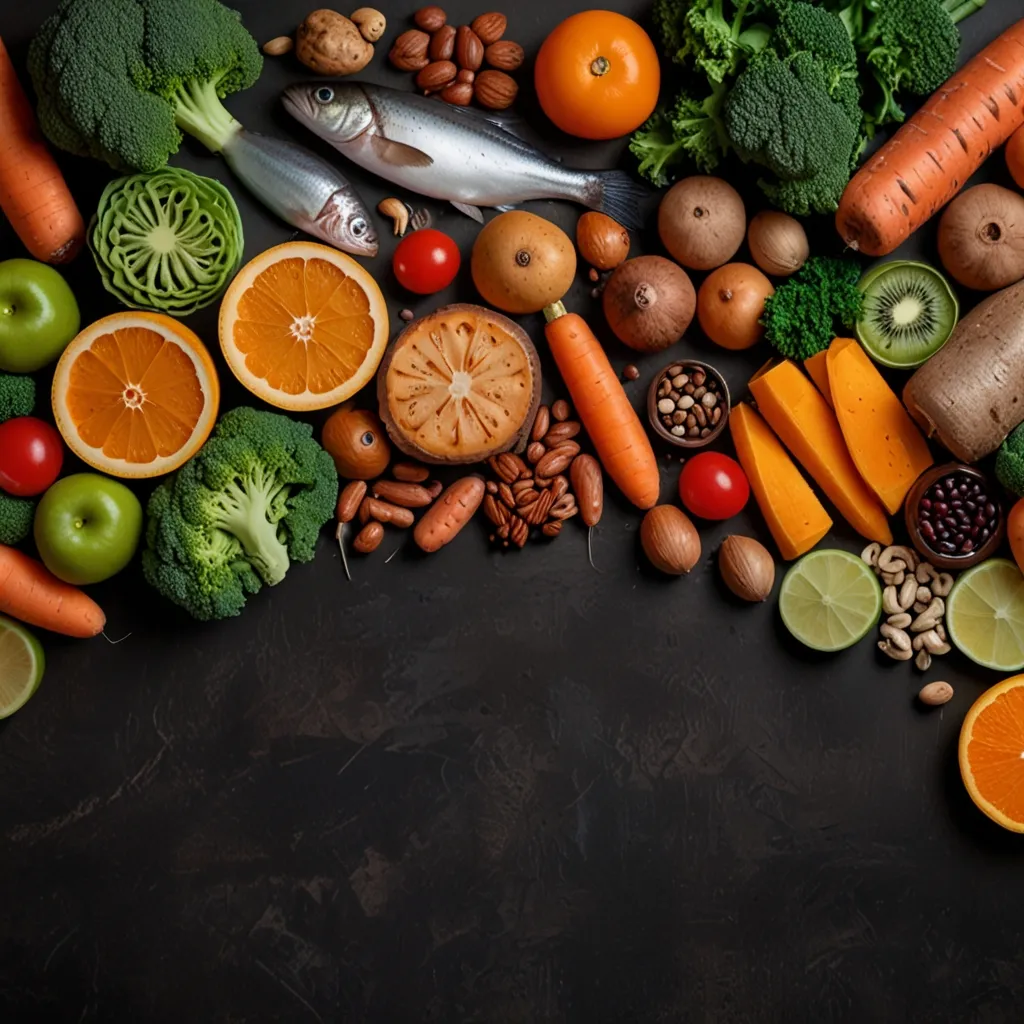
So, what’s on the paleo menu? It’s stuffed with whole, unprocessed goodness. Picture a lot of fruits, vegetables, lean meats, fish, eggs, nuts, and seeds. On the flip side, it boots out grains, legumes, and dairy, along with processed foods, added sugars, and unhealthy fats. If farming brought it, chances are it’s not on the paleo-approved list.
Why do folks jump on the paleo bandwagon? Many want to drop some pounds or keep them off. Others hope to manage diabetes and heart disease since the diet ditches processed junk and sugars. The focus on nutrient-packed, natural foods could also help battle inflammation and boost overall wellness.
A typical paleo day might kick off with scrambled eggs mixed with veggies for breakfast, followed by a lunch of grilled chicken salad. Dinner could feature roasted fish with sweet potatoes and steamed greens. Snacking? Think fresh fruits, nuts, or a hard-boiled egg. And don’t forget to stay hydrated with plenty of water.
While the paleo diet ticks many boxes of a healthy eating plan, there’s still some debate about its long-term perks and possible pitfalls. Some studies hint that it could cut down heart disease risk factors by amping up fruit and veggie intake while shunning processed foods. Yet, these studies are often small and short-lived, so the jury’s still out on the bigger picture.
A concern with the paleo diet is that it skips whole grains and legumes, which pack a punch of fiber, vitamins, and other critical nutrients. Plus, no dairy means missing out on key sources of calcium and protein. If not managed well, this could lead to nutrient gaps. Also, going paleo could be pricey, especially if you’re opting for grass-fed meats and organic produce.
On the brighter side, many people find the paleo diet a breeze because it’s about munching on simple, whole foods without fussing over complex meal plans. There’s also some wiggle room, with certain versions allowing grass-fed butter and gluten-free grains.
Keen to give the paleo diet a whirl? Start with a balanced game plan. Variety is key to ensure all nutritional bases are covered. It’s wise to chat with a healthcare provider or nutritionist to tailor the diet to your specific needs and health goals.
In a nutshell, the paleo diet is a straightforward approach to eating that champions natural, unprocessed foods. While the potential health benefits are appealing, it’s crucial to stay aware of the diet’s limitations and ensure you’re meeting all your nutritional needs. With the right mindset and guidance, the paleo diet can be a sustainable, healthy choice for many.