Is Gluten Your Friend or Foe? Discover the Secrets Behind Gluten-Free Living
Unraveling the Gluten Conundrum: From Health Wreckers to Delicious Alternatives
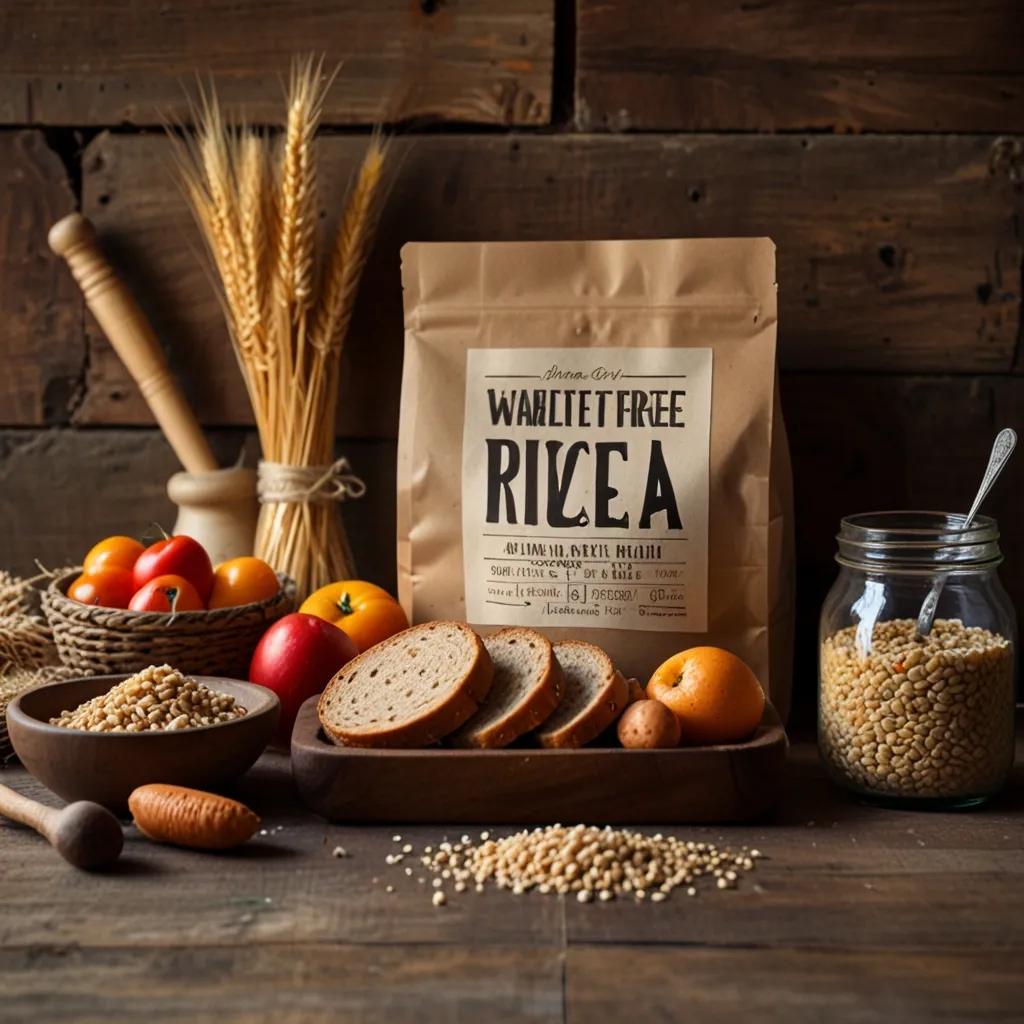
Gluten is a protein that’s a staple in many of our favorite foods like breads, pastas, and cereals. But for some folks, it’s not the best choice. Let’s break down what gluten is, who should steer clear of it, and how to rock a gluten-free lifestyle.
So, gluten is essentially a family of proteins called prolamins, found in grains like wheat, barley, and rye. This stuff is like the magic glue that holds food together and gives bread that wonderful chewy texture. Imagine kneading dough that rises perfectly and keeps its form—thank gluten for that.
But, here’s the kicker: gluten can be a real troublemaker for certain people. If you’ve got celiac disease, gluten sensitivity, or a wheat allergy, it needs to be off your menu. For someone with celiac, gluten is like a tiny wrecking ball for the small intestine. If you’re gluten sensitive, it’s more of an annoying guest that causes stomach issues. For those with a wheat allergy, it’s basically enemy number one, causing reactions from hives to breathing problems.
The popularity of gluten-free diets has exploded. What’s great about this trend is the vast array of gluten-free foods now available in stores. However, if your body can handle gluten, there’s no reason to avoid it. It can be part of a balanced and healthy diet.
Beware though, gluten isn’t just lurking in the obvious carb-heavy foods. It’s sneaky and can be found in soy sauce, modified food starch, and even in some makeup products. Oats are naturally gluten-free but can get contaminated during processing, so it’s best to look for oats specifically labeled gluten-free.
If you think gluten is giving you grief, the smart move is to see a doc. Blood tests can check for celiac or a wheat allergy. And before you cleanse your kitchen of all gluten-containing goodies, it’s a good idea to sit down with a dietitian. They’ll help you figure out a balanced diet that keeps you feeling great.
The good news is that gluten-free eating doesn’t have to feel like a chore. Loads of delicious, whole foods are naturally gluten-free. Fresh fruits, veggies, meats, and healthy fats and oils are all fair game. And don’t forget grains like rice, quinoa, and corn for your nutrient needs. Always double-check ingredient lists or look for that trusty gluten-free label on packaged foods.
To wrap up, gluten is a protein that’s mostly safe for everyone but can be a literal pain for some. Knowing the lowdown on gluten helps in making smart food choices and keeping your diet on track. Cheers to happy and healthy eating!