Is Sinusitis Turning Your Head into a Party of Pain? Here's What to Do
When Life Feels Like an Uninvited Elephant Party in Your Head
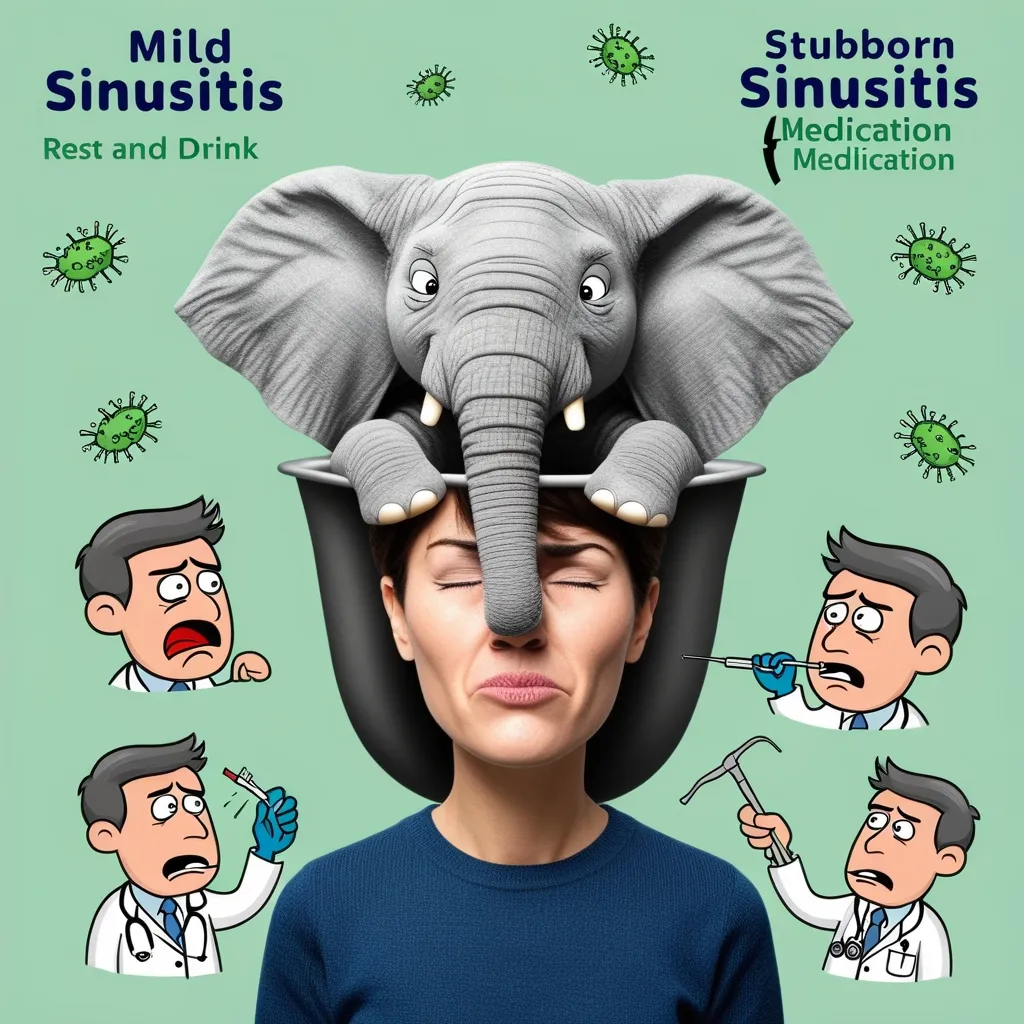
Imagine waking up and feeling like a family of elephants has decided to have a party in your head. That’s what sinusitis can feel like. It’s a super common thing that tons of people deal with all over the globe, and it’s basically when your sinuses get all swollen and blocked. Your sinuses are those air-filled pockets near your nose, and when they get inflamed, it’s not fun.
Sinusitis can rear its ugly head after you’ve had a cold or the flu. Those pesky viruses can go and make your nasal passages all swollen, leading to blocked sinuses. And once things are blocked up, bacteria think it’s the perfect place to set up camp and cause even more trouble. Allergies are another major culprit. They can make the tissue in your nose swell up and crank out more mucus, creating that same awful blockage. There are other things too that can up your chances of getting sinusitis – stuff like a funny-shaped nose, big adenoids, diving, swimming, tooth infections, or even hanging around secondhand smoke.
When you have sinusitis, you probably feel like you’ve been hit by a truck. A runny or stuffy nose, pain, or pressure around your cheeks, eyes, and forehead can make life pretty miserable. You might also notice that your sense of smell has taken a vacation. Other charming symptoms include headaches, bad breath, coughing, fever, and swelling around the eyes. Kids might be extra cranky, have a persistent runny nose, and cough more at night.
Not all sinusitis is created equal. Acute sinusitis doesn’t stick around too long (less than a month usually), and it’s often because of a viral infection. With a bit of TLC, it usually gets better on its own in about a week or so. Then you’ve got subacute sinusitis, which can hang around for four to eight weeks and doesn’t always respond to treatment right away. Chronic sinusitis is like that unwanted guest who just won’t leave – it lasts more than eight weeks and is often the result of repeated or not-so-well-treated acute infections. And if you get three or more bouts of acute sinusitis in a year? That’s recurrent sinusitis.
Figuring out if you have sinusitis usually means a trip to see your healthcare provider. They’ll ask about your symptoms, press on your face to check for tenderness, and might even take a peek up your nose with an endoscope. Sometimes, they could order extra tests like X-rays, CT scans, or blood tests to nail down the diagnosis.
So, what’s the game plan if you do have sinusitis? Well, it depends on how bad it is and what’s causing it. For milder cases, you can try taking care of things at home. Rest up, drink lots of fluids to thin out that pesky mucus, and maybe pop some over-the-counter pain relievers like ibuprofen or acetaminophen. Stay away from allergens and irritants such as smoke and cold air. Clearing your nose with a homemade saltwater solution can also work wonders.
For more stubborn sinusitis, you might need some medication. Painkillers can help with the discomfort and fever. Decongestants can make it easier to breathe, though you shouldn’t use nasal sprays for more than three days to avoid rebound congestion. If it’s bacterial, antibiotics might be in order. Make sure to take the entire course of antibiotics as prescribed. Inhaled or oral steroids could be in the mix to reduce swelling in your sinuses, especially if you have chronic sinusitis. If allergies are to blame, antihistamines or allergy shots might be your best bet.
In more serious cases, where nothing else seems to work, you might have to go down the surgical route. Functional endoscopic sinus surgery (FESS) is a popular procedure. It involves widening your sinuses by getting rid of blocked tissue or using a balloon to inflate the blocked sinuses.
But when do you hit the panic button and see a doctor? If you’re dealing with severe facial pain, a high fever, vision changes, neck stiffness, shortness of breath, or eye swelling, you should definitely seek immediate medical attention. If your symptoms hang around for more than three weeks or you keep getting sinusitis, it’s also a good idea to consult a healthcare provider.
Preventing sinusitis is a lot about avoiding the things that could set it off. Practicing good hygiene, like washing your hands often, staying away from people who are sick, and avoiding allergens and irritants, can be a big help. Regularly using a saline solution to clean your nose can also prevent mucus buildup and lower your chances of getting an infection.
Sinusitis can be a real pain, but with the right knowledge and treatment, you can manage it and hopefully get back to feeling like yourself again. If those pesky symptoms keep hanging around or get worse, don’t hesitate to reach out to a healthcare provider for some expert advice and treatment.