Is Your Gut the Secret to a Happier, Healthier You?
Nurturing Your Gut: The Symphony of Diet, Lifestyle, and Tiny Allies
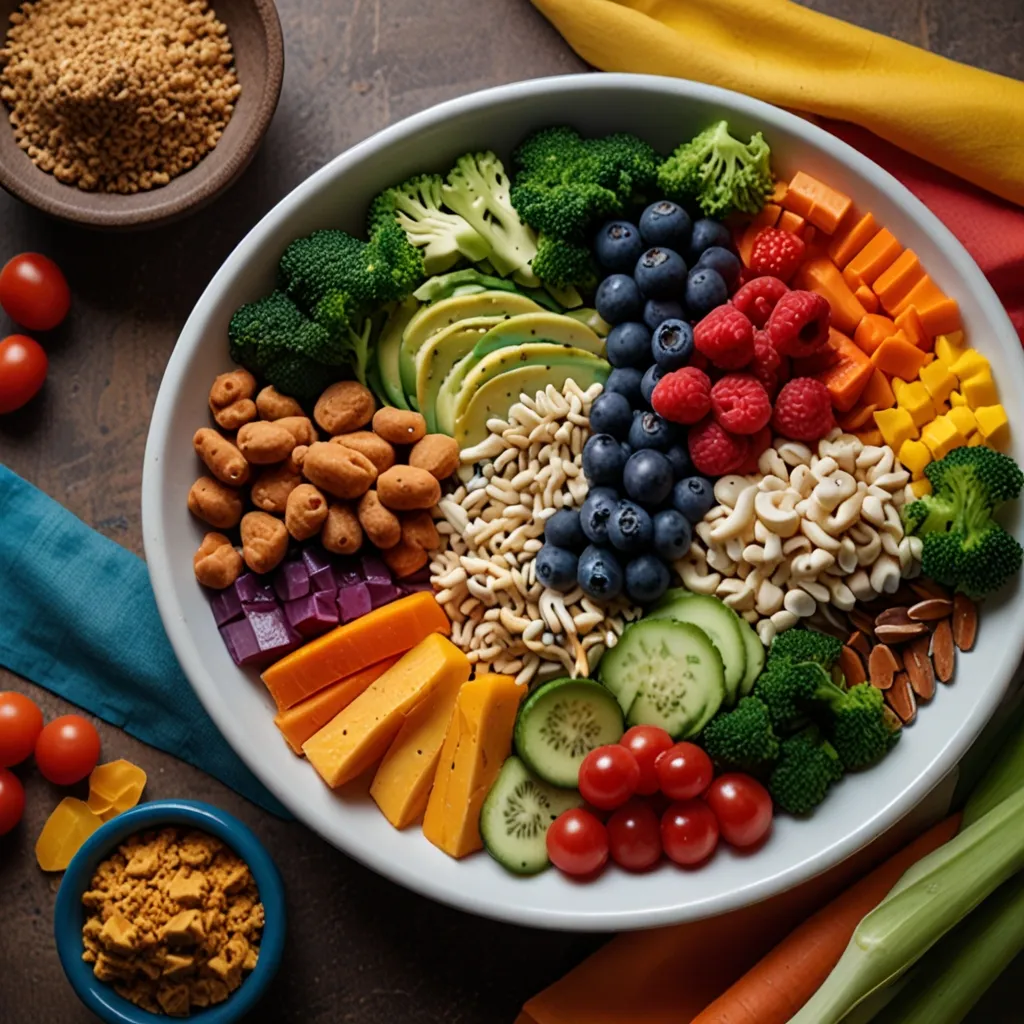
Improving your gut health is a journey that demands thoughtful choices regarding what you eat, how you live, and how you take care of yourself overall. Your gut microbiome—those trillions of tiny organisms in your digestive system—plays a massive part in your health. It’s like the control center for everything from your immune system to your mood.
One easy and effective way to give your gut a boost is by filling your plate with a variety of plant-based foods. Aiming to eat at least 30 different types of plant foods each week is a fun challenge. Think of it as creating a colorful “rainbow” diet. These foods are packed with fiber and polyphenols, nutrients that these gut bugs love. Keeping them happy not only makes your microbiome diverse but also helps you stick to a balanced diet without too much effort.
Fiber is like the unsung hero when it comes to gut health. Fruits, veggies, legumes, whole grains, and nuts are fiber powerhouses. They help keep things moving smoothly in your digestive system and can lower the risk of bowel cancer. Plus, fiber feeds the good bacteria in your gut, ensuring they stay strong. Whole foods should be your go-to because they offer a buffet of nutrients that work in harmony—something supplements can’t quite replicate.
But hey, diet isn’t the only game in town. How you live your life also impacts your gut. Getting regular exercise doesn’t just keep your muscles and heart in shape; it’s also a boon for your gut microbiome. When you work out, it helps your digestion and tones down stress, which, believe it or not, is huge for your gut. Stress can throw your gut microbiome out of whack, leading to digestive drama and other health issues. So consider taking up stress-busting practices like meditation, deep breathing, or muscle relaxation exercises. It’s worth it.
Sleep is another piece of the gut health puzzle. Poor sleep or not enough of it can mess with your gut microbes, leading to all sorts of discomfort. So make sure you’re catching enough Z’s to keep those gut bugs in balance.
Besides making lifestyle tweaks, consider adding probiotics and prebiotics into your routine to give your gut an extra boost. Probiotics are the good bacteria you find in fermented foods like kefir, kimchi, kombucha, miso, sauerkraut, and tempeh. These foods naturally introduce good bacteria to your gut. Prebiotics, on the other hand, are like food for probiotics. They’re nondigestible carbs found in foods like asparagus, bananas, onions, garlic, and whole wheat bread. Prebiotics help the good bacteria grow and thrive.
But hold up, don’t just pop any probiotic supplement you find on the shelf. It’s smart to consult with a healthcare professional to figure out the right type and dosage for you. And let’s talk antibiotics for a second. They’re lifesavers in treating infections but can also wipe out both bad and good bacteria in your gut. So they should be used carefully and only when necessary.
Cutting down on ultra-processed foods and sugar is also a biggie for a healthy gut. These can mess up the balance of your gut bacteria, leading to all kinds of issues. Stick to whole, unprocessed foods to give your gut what it needs to thrive.
Bringing all these elements together is the ultimate game plan for a healthier gut. Fill your diet with a variety of plant-based foods, keep active, ensure you get quality sleep, manage your stress levels, and be mindful of probiotics and prebiotics. This well-rounded approach will help promote a healthy gut microbiome, boosting your overall health and well-being.