Is Your Meal Set to Balance Your Qi? Discover the Mysteries of Traditional Chinese Medicine
Feasting on Worldly Wisdom: TCM's Culinary Secrets for Radiant Health
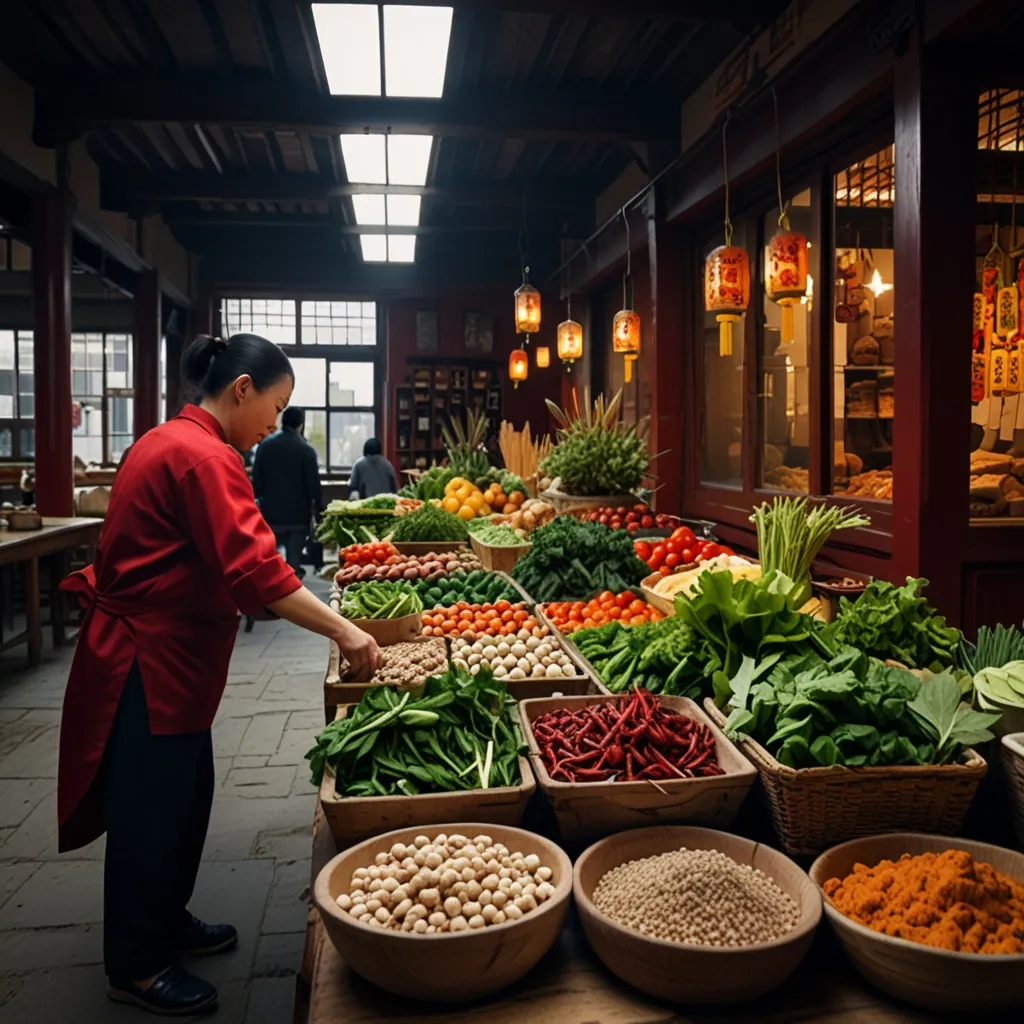
In the mystical world of Traditional Chinese Medicine (TCM), your plate isn’t just a hub for taste buds; it’s a powerhouse for health. The ancient wisdom of TCM sees food not just as sustenance but as a crucial partner in maintaining wellness and warding off ailments. Here, food and medicine mingle so closely that sometimes the line between them vanishes.
The Heart of a TCM Diet
The essence of a TCM-friendly diet? Fresh, untainted, and minimally processed foods. These choices brim with Qi—the life force keeping your body’s engine running. Think of vegetables that are just lightly cooked to keep those beneficial enzymes and vitamins intact. It’s all about tailoring your diet to fit your unique body and health ambitions. Your most substantial meal should light up your mornings, kicking off your digestive system and giving you the energy to conquer the day.
Eating For Your Unique Self
Your TCM diet isn’t one-size-fits-all. Individual constitutions are a big deal here. Picture someone with a cold constitution warming up with hearty soups and stews, while another with a hot constitution cools down with refreshing cucumbers and melons. Beans and grains should get a good soak and proper cooking to make them gentle on your gut.
Nature and Flavor of Foods Matter
Here’s the fun part—foods in TCM come with personalities. They’re categorized based on their nature—hot, cold, warm, or cool—and their flavors—sweet, sour, salty, bitter, or pungent. Each food affects your body’s internal balance uniquely. Sweet foods like dates and honey nourish you, while sour counterparts like lemons and vinegar tighten and consolidate things inside.
Seasonal Eating—Go With Nature
Eating in sync with the seasons is another cornerstone. It keeps your body rhythmically aligned with nature. Summer calls for cooling delights like watermelon and mint to battle the heat, whereas winter welcomes warming allies like ginger and garlic to fend off the cold.
Stick to a Routine
Regularity is king in TCM. Eating at consistent times tunes your digestive system like a well-oiled machine. Skip meals or overeat? That’s a recipe for imbalance and digestive woes. The morning hours are your digestive golden hours—so breakfast should be your stadium-rocking headliner meal.
Ditch Cold Raw Foods
In TCM, cold raw foods like salads and iced drinks are not your digestive friends. They’re tough to break down and can lead to dampness and other imbalances. Instead, think lightly cooked veggies and thoroughly cooked grains. They’re kinder on your system and give you immediate energy sans the strain.
The Magic Blend of Food and Medicine
TCM swears by the harmony between food and medicine. Many foods and herbs in TCM do double duty—ginger and ginseng, for instance, are culinary stars and health stalwarts due to their antioxidant and anti-inflammatory powers. This philosophy pushes the idea of using natural foods and herbs to keep yourself healthy and tackle diseases, rather than leaning solely on pharmaceuticals.
Modern Science Backs TCM
Modern research seems to be nodding in agreement with TCM principles. Several studies highlight the health benefits of TCM-endorsed foods and herbs, like reducing inflammation and giving your immune system a leg up. This intersection of ancient wisdom and modern science is spurring innovations in functional foods and dietary supplements, loaded with traditional Chinese ingredients.
How to Embrace a TCM Diet
Ready to dive into a TCM diet? Here’s the lowdown: listen to your body. Opt for foods that are easy on your digestion and fuel your energy. Eat with the seasons, stick to regular meal times, and bid farewell to cold raw foods. Let lightly cooked veggies and well-cooked grains be your go-to. Make your breakfasts grand to boost your digestive fire and keep portions balanced to avoid overloading your system.
The Bigger Picture
The role of diet in TCM isn’t just about what’s on your plate; it’s a holistic, multi-faceted approach to health. Focusing on fresh, seasonal foods and understanding the nature and flavor dynamics, while steering clear of digestive antagonists like cold raw foods, can sculpt a diet that carves the path to optimal health and wellness. This age-old strategy not only fends off diseases but also promotes a sustainable, personalized approach to your overall healthcare.
By embracing TCM dietary wisdom, you’re not just nourishing your body—you’re syncing with an age-old tradition that views food as both fuel and healer. This balanced, thoughtful approach can help pave a holistic and sustainable path to long-term health.