Vitamin D is like that behind-the-scenes superhero nobody really talks about but ends up saving the day more often than you realize. It’s a crucial player in keeping our bones strong, our immune system in check, and our overall health in tip-top shape. Yet, despite its hero status, a lot of folks don’t get enough of this critical nutrient, leading to a slew of health issues.
Kids, they’re like growing bean sprouts, right? Always moving, full of energy. But when they lack vitamin D, that can change. You might notice they get cranky or just seem worn out all the time. It’s more than just skipping a nap; vitamin D plays a part in their development too. Without it, children can face delays that can stress any parent out. Their muscles might feel weak and sore, and you might hear more about those ‘growing pains.’ But the real kicker? Their bones might not grow correctly. Rickets is a condition that pops up, leading to bones that bow out or joints that don’t look right. And because kids are still developing, these issues show up more pronouncedly, making it clear just how much they need their vitamin D.
Adults, on the other hand, are a bit trickier. The symptoms of vitamin D deficiency can sneak up on you, and sometimes you might not even link them to the pesky lack of sunshine vitamin. Fatigue is a big red flag. Even after a solid eight hours of sleep, dragging yourself through the day can be infuriating. Then there’s that relentless back pain or joint aches that just won’t quit. It’s like your body is carrying around extra weight. Muscle weakness and cramps also make the list, and let’s not forget mood swings. Depression or anxiety can tag along, turning life upside down when you least expect it.
Now, sometimes the signs of a vitamin D shortage are so subtle you might not even bat an eye. For instance, ever experience a bit more hair shedding than usual or nights where sleep just doesn’t come easy? It’s easy to brush these off as minor annoyances, but they can be clues pointing to a vitamin D deficiency.
Certain groups are particularly prone to running low on vitamin D. Having darker skin is one factor; the melanin in the skin reduces the body’s ability to produce vitamin D from sunlight. If you’re someone who always wears long sleeves or hijabs, or you just love staying indoors more than the great outdoors, your chances tick up as well. Plus, once you’re past 65, your skin doesn’t make vitamin D as efficiently, and your gut doesn’t absorb it as well either.
But fear not, preventing vitamin D deficiency is fairly straightforward. It starts with a bit of safe sunbathing. Spending just a short time outside without sunscreen can do wonders, letting your body absorb some of that crucial UVB radiation which kick-starts vitamin D production. Of course, don’t overdo it—no one enjoys a nasty sunburn or heightened skin cancer risks.
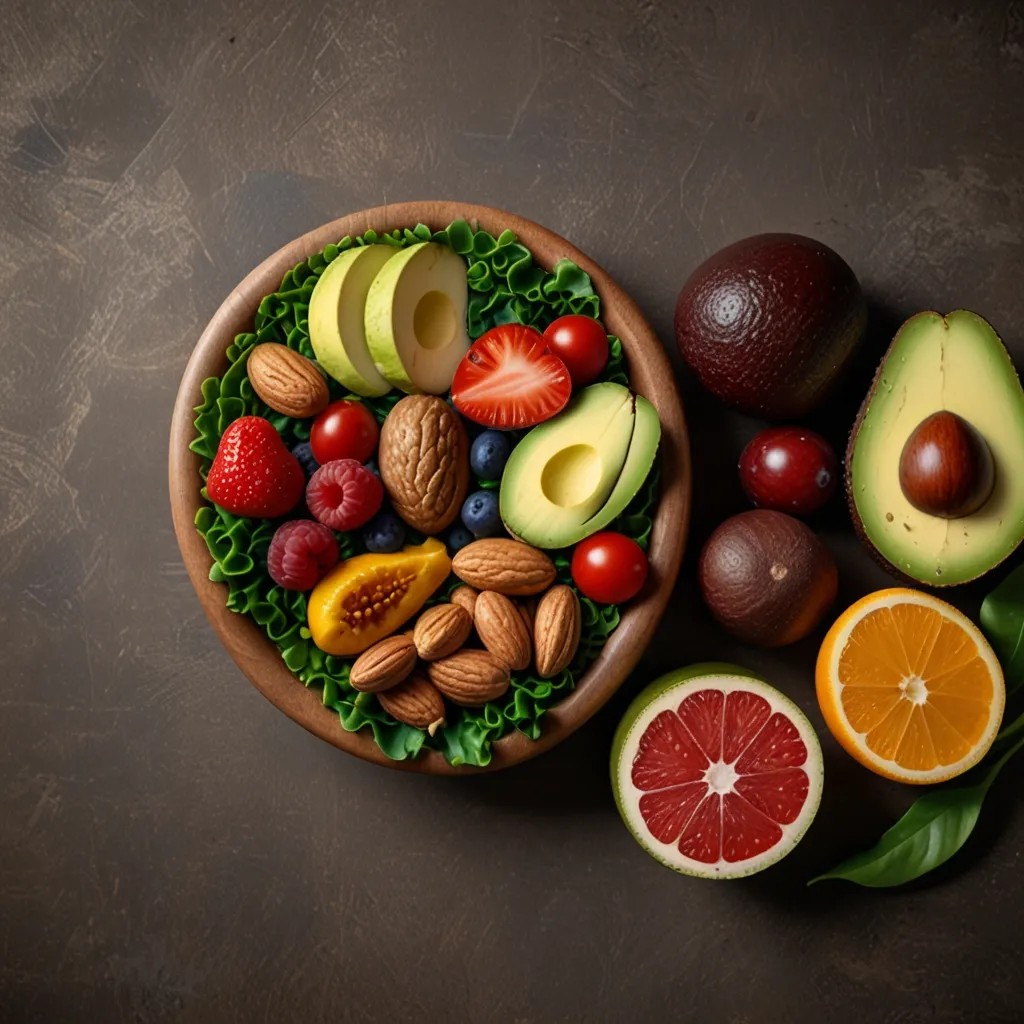
Diet is another great ally. Foods like fatty fish (think salmon and mackerel), cod liver oil, mushrooms, and fortified dairy products are gold mines for vitamin D. Eggs, beef liver, and fortified cereals pitch in too. If getting what you need from food and sun is tricky, then supplements are a solid plan B. Adults under 65 should snag around 600-800 IU of vitamin D3 daily. Over 65? You’re looking at 800-1,000 IU.
If at any point you suspect that your vitamin D levels might be on the low side—maybe because you’re ticking off symptoms left and right—getting tested is a good move. A simple blood test measuring 25-hydroxyvitamin D can give you a clear picture. And if your levels are in the pits, your doctor might suggest ramping up your diet with more vitamin D-rich foods or adding in some supplements.
It’s a big deal to pay attention to vitamin D levels because, without it, your body can go through some rough patches. Even mild issues like constant tiredness and aching bones aren’t fun, and severe problems like osteoporosis are no joke. Keeping those vitamin D levels up isn’t just good housekeeping for your body; it’s safeguarding your long-term health. Whenever doubts pop up about your vitamin D status, a chat with your healthcare provider can put you on the right track. Remember, a bit of sunshine and a balanced diet can go a long way in keeping that internal superhero in top form.