Hypertension, commonly known as high blood pressure, is a sneaky health issue that quietly impacts millions across the globe. It’s like that uninvited guest that overstays its welcome, bringing stress and dietary issues as its baggage. Grasping how stress and diet feed into hypertension sets the stage for handling and maybe even dodging this condition altogether.
Let’s chat about stress first. This buzzword gets tossed around a lot, but it’s a major player in the hypertension game. Here’s the deal: when you’re stressing out, your body freaks out a little too. It releases these hormones like adrenaline, and before you know it, your heart’s racing and your blood vessels decide to play hard to get. This causes your blood pressure to skyrocket temporarily. Normally, it settles down once you chill out, but if you keep stressing, it’s like repeatedly flooring the gas pedal. Not good for the engine, right?
Long-term stress is even worse. It messes with your lifestyle in ways that ultimately push up your blood pressure. You might start reaching for comfort foods loaded with fat and sugar to cope, packing on the pounds, which only makes hypertension worse. And let’s not even talk about the hit to your diet and exercise habits. Managing stress becomes even harder when you’re skipping your workout and opting for junk food more often than you should.
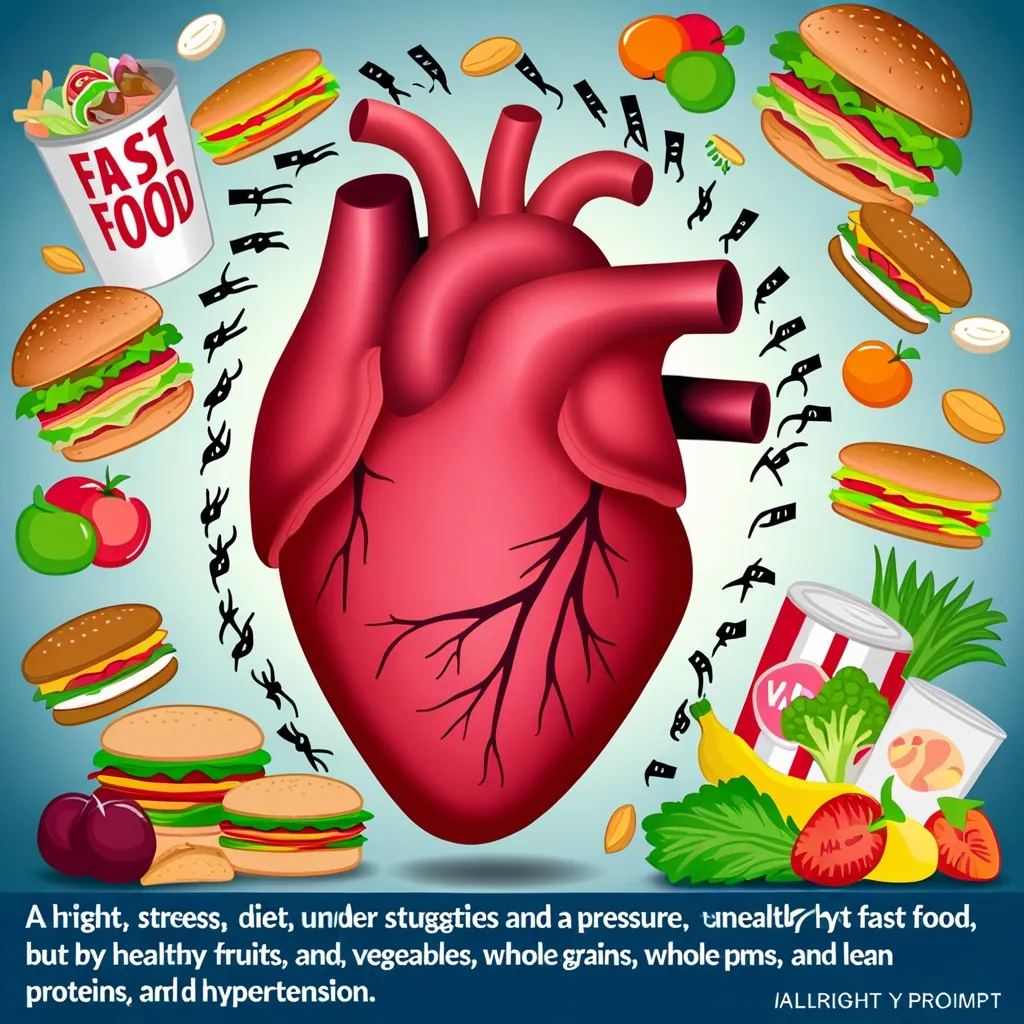
Now, pivoting to diet, it’s crystal clear that what we eat directly affects our blood pressure. Diets high in salt, fat, and sugar are like the perfect storm for high blood pressure. Sodium is a prime troublemaker here; too much of it makes your body retain fluid, which hikes up blood pressure. Those delicious but heavy-on-saturated-fat foods aren’t doing you any favors either, as they add to your waistline and bring unwanted metabolic changes.
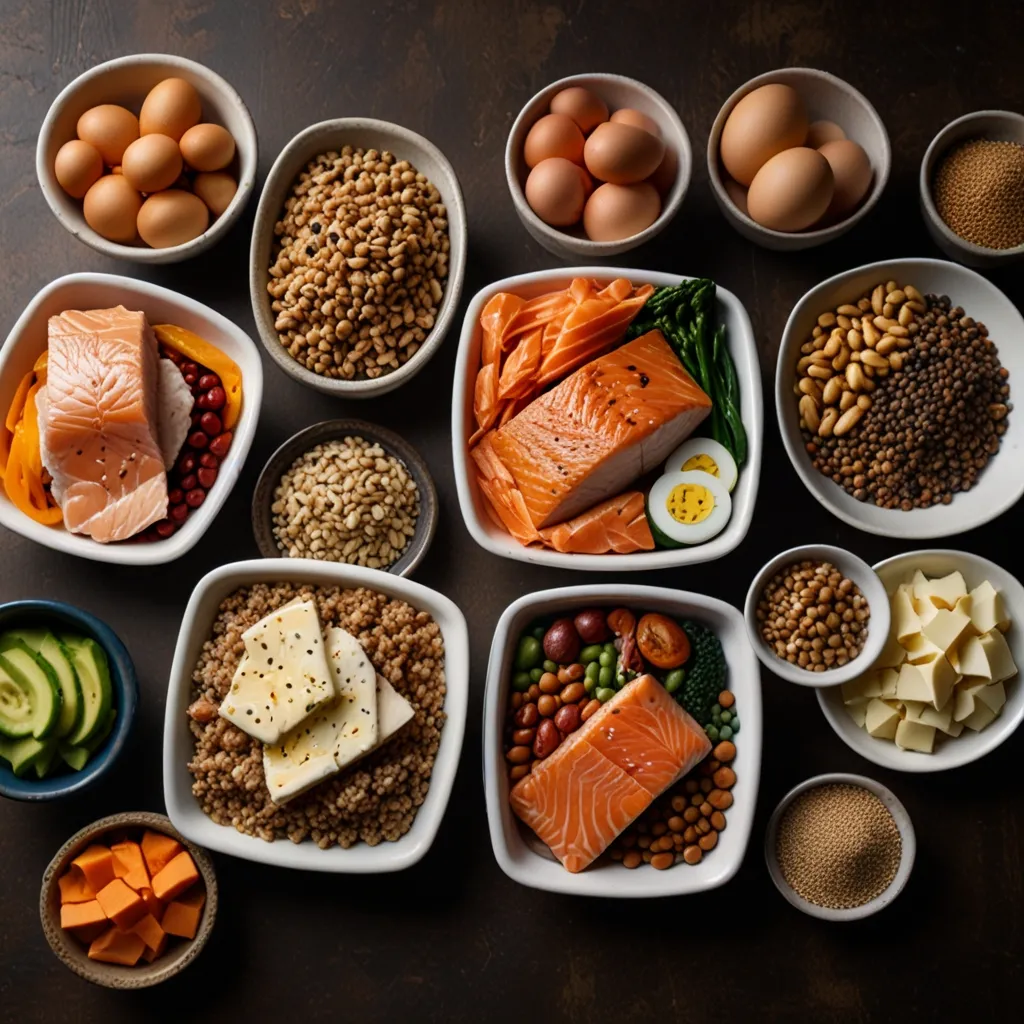
But all’s not lost—good food choices can be your shield. The DASH diet (Dietary Approach to Stop Hypertension) is a shining beacon in the world of heart-healthy eating. Think whole grains, fruits, veggies, lean proteins, and low-fat dairy. This kind of diet does wonders, not just for lowering blood pressure but also for keeping cardiovascular diseases at bay.
Catching hypertension is tricky because it rarely shows any red flags early on. It’s often called a “silent killer” for a reason. Don’t expect glaring symptoms until it gets really problematic. Then, you might notice headaches and bouts of dizziness, a signal that your cardiovascular system is under strain.
When it comes to tackling hypertension, medication and lifestyle tweaks go hand-in-hand. Medications range from diuretics to beta-blockers and ACE inhibitors, all designed to ease pressure off your system. Still, lifestyle changes can’t be overstated. They’re often just as effective, if not more so.
Starting with diet, cutting down on high-sodium foods and steering clear of saturated fats is essential. Fill your plate with more fruits, veggies, and whole grains. Regular exercise also steps into the spotlight here. Clocking in 30 minutes of physical activity between three to five times a week can make a noticeable difference, slashing stress levels and lowering blood pressure.
Stress management is the other cornerstone. Techniques like meditation, yoga, and deep breathing can be game-changers. Even hobbies and activities that bring you happiness and relaxation can play a significant role.
High salt intake is a prime culprit in the world of hypertension. Keeping your sodium levels in check can dramatically lower your blood pressure. The American Heart Association suggests a sodium ceiling of 2,300 milligrams a day, ideally aiming for 1,500 milligrams for those with high blood pressure.
To cut back on salt, becoming a label reader and avoiding processed foods is crucial. Cooking from scratch with fresh ingredients gives you full control over sodium levels. Plus, swapping salt for herbs and spices can elevate your meals without bumping up your blood pressure.
In wrapping up, hypertension isn’t just about numbers on a monitor. It’s a complex dance between stress and diet. Nailing the balance between these two factors is key for effective management. Embracing a healthy diet, clocking in regular exercise, and diligently managing stress are powerful strategies to keep hypertension at bay. While some cases may necessitate medication, lifestyle changes remain the unsung heroes in this fight against high blood pressure.