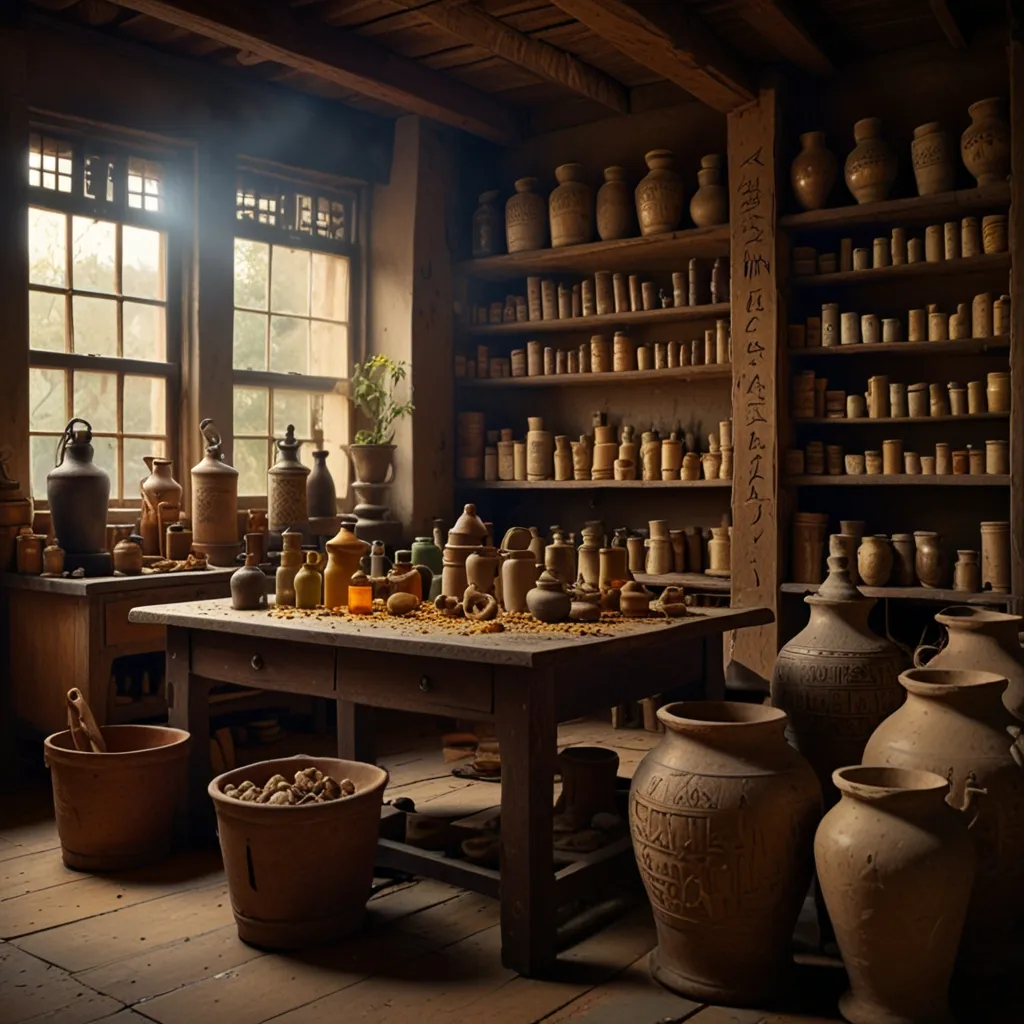
Herbal medicine has been a go-to for humans for millennia, with evidence pointing to its use around 5000 years ago in ancient civilizations. The Sumerians, for instance, recorded remedies on clay slabs, detailing the use of over 250 plants. Some of these ancient medicinal plants are still in use today, showing just how timeless herbal medicine really is.
In China, herbal medicine is a core part of traditional Chinese medicine (TCM). TCM, which has a rich history of over 3000 years, is all about keeping balance within the body, particularly with the concepts of yin and yang and the five elements—metal, wood, water, fire, and earth. Herbs play a huge role in this balance. The “Divine Farmer’s Classic of Herbalism,” compiled around 2000 years ago, is still a cornerstone text in TCM.
India’s ancient texts, the Vedas, also feature numerous medicinal plants used for healing. Some spices from India, like nutmeg, pepper, and clove, are common fixtures in modern kitchens and are still valued for their medicinal benefits. The Ebers Papyrus from ancient Egypt, dating back to around 1550 BC, lists over 700 plants used for various treatments, showcasing an advanced understanding of herbal remedies.
Both Greeks and Romans leaned heavily on herbal medicine. Homer’s epic works often mention medicinal plants. Hippocrates, who is frequently referred to as the father of medicine, also incorporated herbs in his treatments. Pliny the Elder’s “Naturalis Historia,” a Roman text, describes over 1000 medicinal plants, adding to the knowledge pool of herbal medicine.
During the Middle Ages, monasteries became key hubs for the cultivation and study of medicinal herbs. Knowledge about these plants was meticulously passed down through handwritten manuscripts. One noteworthy text from this period is “Culpeper’s Complete Herbal,” which remains a highly valued resource among herbalists to this day.
In recent times, there’s been a notable resurgence in the popularity of herbal medicine. People are increasingly looking towards herbal remedies as natural alternatives to conventional medications. Echinacea, for instance, is well-known for its role in preventing and treating the common cold. Other popular herbs include ginkgo, ginseng, ginger, turmeric, and chamomile, which are often consumed as teas, supplements, or applied directly to the skin.
However, the widespread use of herbal medicines comes with its own set of challenges. These remedies are not rigorously regulated in many regions, leading to inconsistencies in their purity and efficacy. There’s a real risk that some herbal products might be contaminated or adulterated, causing adverse interactions with conventional medications. So, it’s wise to opt for high-quality products that have undergone third-party testing to ensure safety.
The holistic nature of herbal medicine is a big draw for many, but it also complicates scientific evaluation. Unlike modern drugs, herbal remedies usually contain complex mixtures of natural compounds, making it tough to isolate and study each active ingredient. This complexity can result in variations in the quality and safety of herbal products.
Nevertheless, research into herbal medicine is continually progressing. Scientists are keen on understanding the active compounds in various plants and their potential health benefits. Modern pharmacotherapy has even integrated numerous drugs derived from plants, acknowledging the time-tested wisdom of herbal medicine. That said, there’s still a lot to uncover about the safety and effectiveness of these remedies.
Herbal medicine, with its deep historical roots, remains an essential part of human healthcare. From the ancient Sumerians to present-day enthusiasts, medicinal plants have consistently played a crucial role in health practices. Despite the difficulties in regulation and scientific scrutiny, the potential health benefits of herbal remedies make them a valuable addition to our healthcare options.