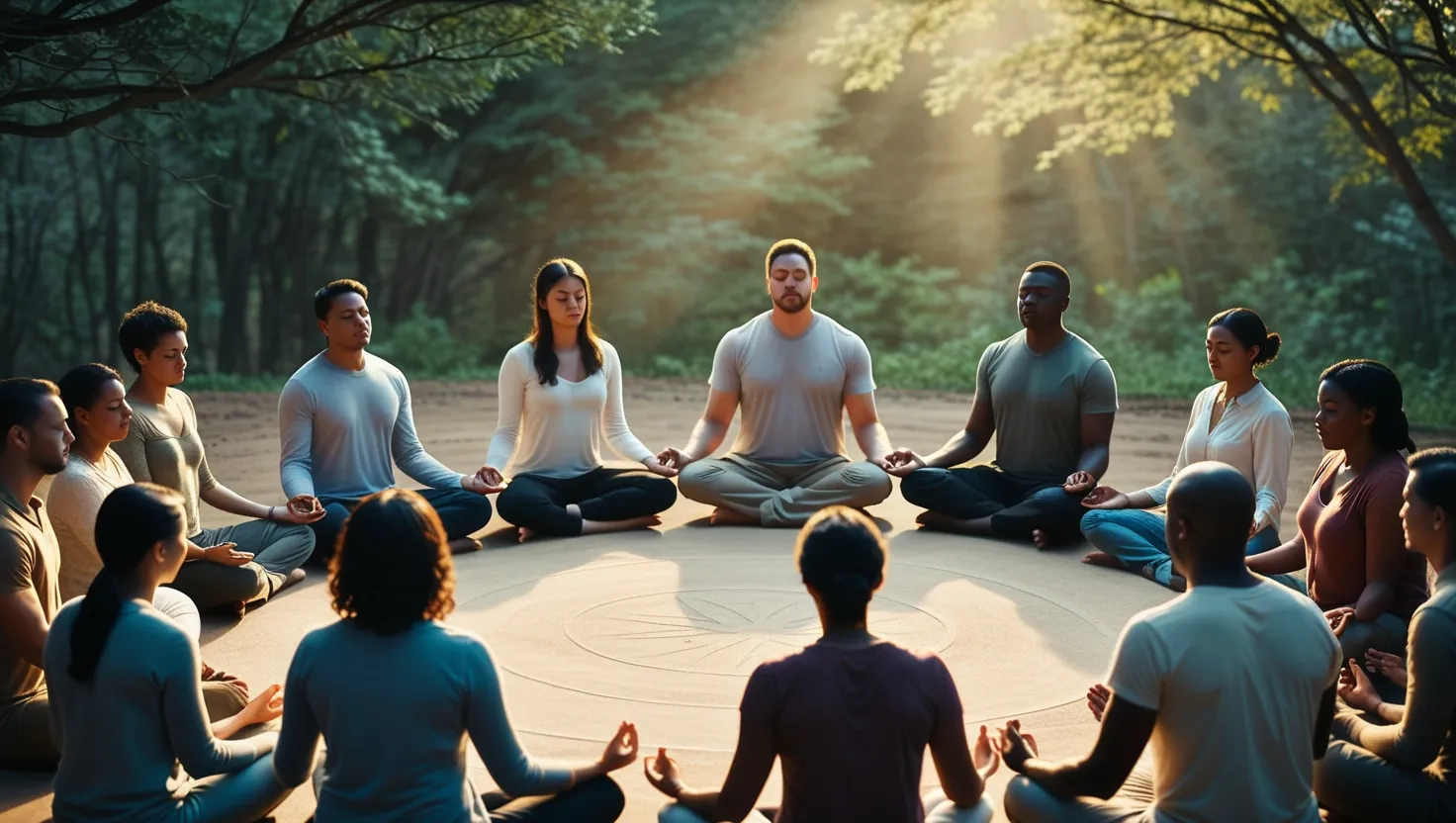
Imagine sitting with a group of friends, all quiet and focused, as you spill out your biggest problem. No one jumps in with quick fixes. They just listen and ask simple questions. That’s the heart of Quaker Clearness Committees. Let me walk you through seven religious ways to fix fights that you probably never heard about. These aren’t courtroom battles or angry arguments. They’re smart, old tricks from faith groups that turn enemies into friends again. Stick with me—I’ll explain each one like we’re chatting over coffee, and I’ll throw in some questions to get you thinking.
Start with those Quakers. Back in the 1600s, these plain-dressing Christians from England hated wars and loved peace. When someone faced a tough choice—like should I move or stay in a bad job?—they formed a Clearness Committee. Pick four or five trusted folks. Sit in a circle. The person talks. Others ask open questions: “What feels right in your gut?” No advice. No judgments. Just help you see your own answers. It’s like shining a light on your own thoughts.
Why does this work so well? Because most fights happen when we don’t listen. Quakers figured out that real clarity comes from inside, not from bosses telling you what to do. Today, even companies use this for team problems. Have you ever been in a meeting where everyone talks over each other? Try this next time—watch the magic.
“The best way to resolve any problem in the human world is for all of us to come together in a circle of compassion and understanding.” That’s from a wise teacher who knew peace starts small.
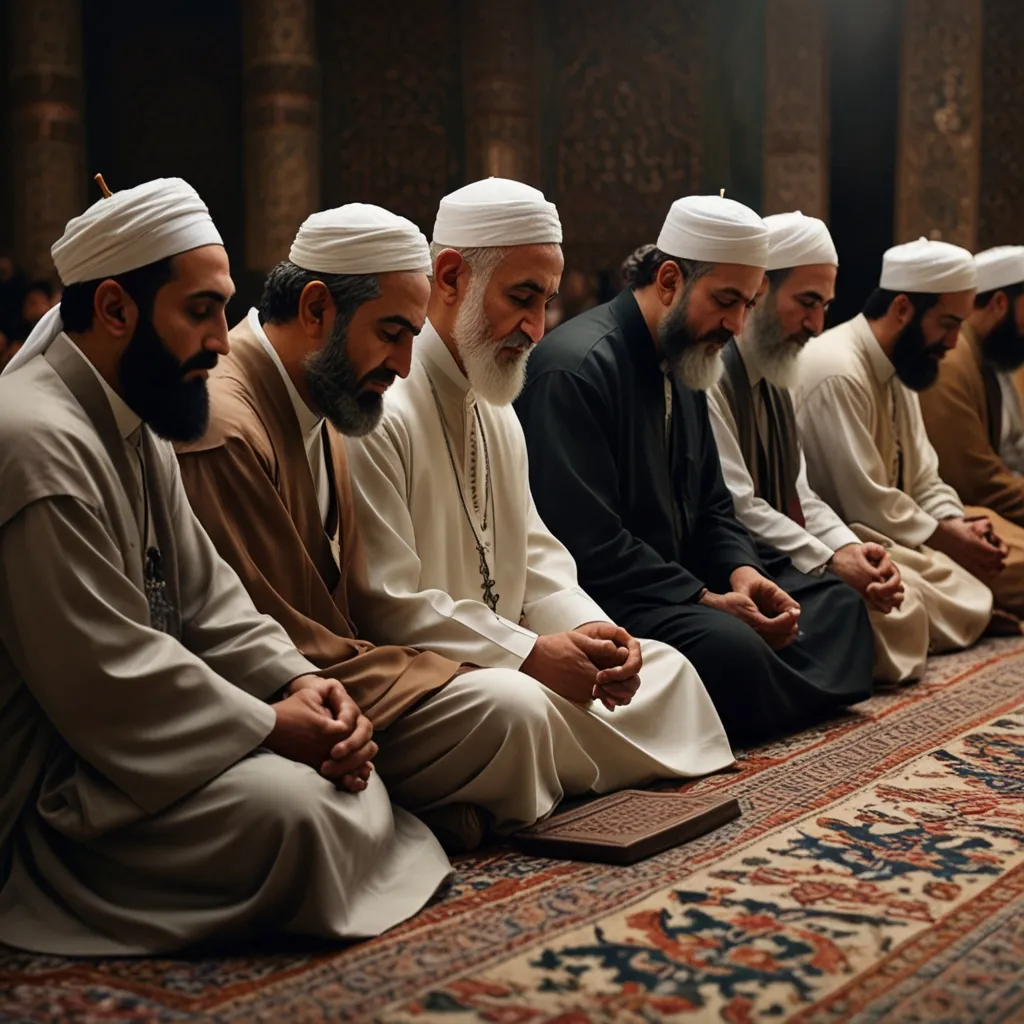
Now, shift to the Islamic world. Picture desert tribes ready to kill over stolen camels. Enter Sulh and Musalaha. Sulh is like a family meeting with a referee. A wise elder steps in, talks to both sides, and crafts a deal everyone can live with. Musalaha goes deeper—it’s about fixing the broken bond. Based on stories from the Prophet Muhammad, who once stopped a bloody feud by having enemies share milk from the same goat. Crazy, right? It worked.
These aren’t soft—they demand justice too. Pay back what’s owed, then hug it out. In places like the Middle East, villages still use this to skip courts. Lesser-known fact: During the Crusades, Sulh talks saved thousands of lives when kings failed. What if your neighbor feud ended with shared tea instead of lawyers? Think about that.
Next, Native American Peacemaking Circles. Imagine everyone affected by a fight—like a stolen tool or a family split—sits in a big circle. Pass a special stick or stone. Only the holder speaks. Others listen without interrupting. No blame game. Focus on hurt feelings and how to heal. Tribes like the Navajo or Lakota have done this for generations, pulling from beliefs that we’re all connected, like threads in a web.
Here’s an odd angle: These circles fix not just people fights but nature ones too. Spill oil on sacred land? Circle up with the earth in mind. Modern prisons in Canada borrow this, cutting repeat crimes by half. Ever feel like arguments just spin wheels? Picture passing a talking feather—what would you say first?
“In the circle, we are all equal. No one is above or below.” Words from an elder that hit home.
Buddhist Engaged Dialogue feels like calm in a storm. Think of monk Thich Nhat Hanh, who fled war in Vietnam. He created “Beginning Anew.” Three steps: Share what you like about each other first. Then say sorry for hurts. Finally, air your pains gently, like petting a scared cat. Do it mindfully—breathe deep, stay in the now.
Unconventional twist: During the Vietnam War, Buddhist villages used this to talk down soldiers. No guns needed. It spread to U.S. therapy groups. Monks train brains to pause before snapping. Try it: Next argument, stop. Breathe. Say one good thing first. Does your anger melt? Bet it does.
Jewish P’sharah is like splitting a pizza fair, not grabbing the whole pie. Talmud books from ancient rabbis say: Skip the win-lose court. Find a judge or friend. Compromise for peace. It’s not weakness—it’s smart. One story: Two rabbis fought over a coat. They cut it in half. Lesson? Better half peace than full war.
Dig deeper: In medieval Europe, P’sharah saved Jewish communities from kings’ taxes by settling inside disputes fast. Today, Israeli businesses use it. Question for you: In your last spat, did winning feel good, or did the bad blood linger? Compromise might taste better.
“Peace is the briefest moment between wars, but we can make it last.” A rabbi’s quip that sticks.
Hindu Panchayat Systems are village grandpa councils. Five elders—panch means five—hear fights over land or marriages. No fancy robes. Just chat under a tree, using stories from gods like Krishna, who preached duty and harmony. They aim for group agreement, sometimes with oaths on holy water.
Hidden gem: In rural India, these skip 80% of court cases. Women lead some now, flipping old rules. Rituals seal deals—like breaking a coconut for fresh starts. Imagine your town square with elders fixing parking wars. Would you trust five wise neighbors over a judge?
Last, Mennonite Conciliation Services. These Anabaptist Christians, who split from others in the 1500s over no violence, train everyday folks as peacemakers. Family blowups? They mediate. Even countries call them for big stuff, like African civil wars. Faith drives it: Jesus said love enemies, so they do.
Cool fact: A Mennonite team once flew to a jungle village, lived there months, and turned machete fights into farm shares. They teach “victim-offender” talks where hurters face pain they caused. Direct, scary, but healing. What’s the bravest peace move you’ve seen?
“Blessed are the peacemakers, for they shall be called children of God.” Straight from the Bible, Mennonites live it daily.
These seven ways show religion isn’t just prayers—it’s fix-it tools for messy human life. Quakers teach listening. Muslims push fair deals with heart. Natives circle for balance. Buddhists breathe through rage. Jews compromise smart. Hindus council local. Mennonites act bold.
But here’s my unique take: They’re all anti-hero. No lone savior swoops in. Groups do it together. In our selfie world, that’s radical. Lesser-known: Many blend now. A New York center mixes Quaker questions with Native circles for corporate feuds. Global warming talks borrow Buddhist calm.
What if schools taught this instead of punishment? Fights drop, kids learn empathy. Or divorces: Use Sulh, save kids’ hearts. Picture world leaders in a Peacemaking Circle—Putin passes the stick to Zelenskyy. Wild? Possible.
Try one yourself. Pick a small fight. Gather two friends. Ask questions only. See clarity bloom. These old faiths knew: Peace isn’t absence of conflict. It’s handling it right.
Another angle: Women shine here. Panchayat ladies rule villages. Quaker women spoke first in meetings. Muslim mediators often moms fixing kin. Faiths that birthed equality in peace.
“The real glory is being knocked to your knees and then coming up braver.” A fighter’s truth—fits peacemaking too.
Doubts? Some say religion causes wars. Fair. But these tools fix what breaks. During WWII, Quakers snuck food to camps. Mennonites rebuilt enemy homes. Proof: Faith heals when twisted right.
Interactive bit: Which of these grabs you? Quaker calm or circle power? Test it this week. Tell a friend your beef. Listen first. Report back in your head.
Unconventional view: Tech could amp these. Apps for virtual Panchayats? AI asking Quaker questions? But skip screens—face-to-face builds trust flesh can’t fake.
In prisons, Native circles cut violence 40%. Buddhist jails teach anew—recidivism plummets. Scale it: Cities with Mennonite teams see less street fights.
“Nonviolence is the weapon of the strong.” Gandhi nodded to these roots.
Final nudge: You’re not dumb—you’re human, fights happen. Grab one tool. Quaker it. Circle up. Breathe Buddhist. Peace waits inside you. Go make some.
(Word count: 1523)