Are Genies Really Just Wish-Granting Mythical Creatures?
Jinn: From Smokeless Fire to Cultural Muse and Demonized Spirit
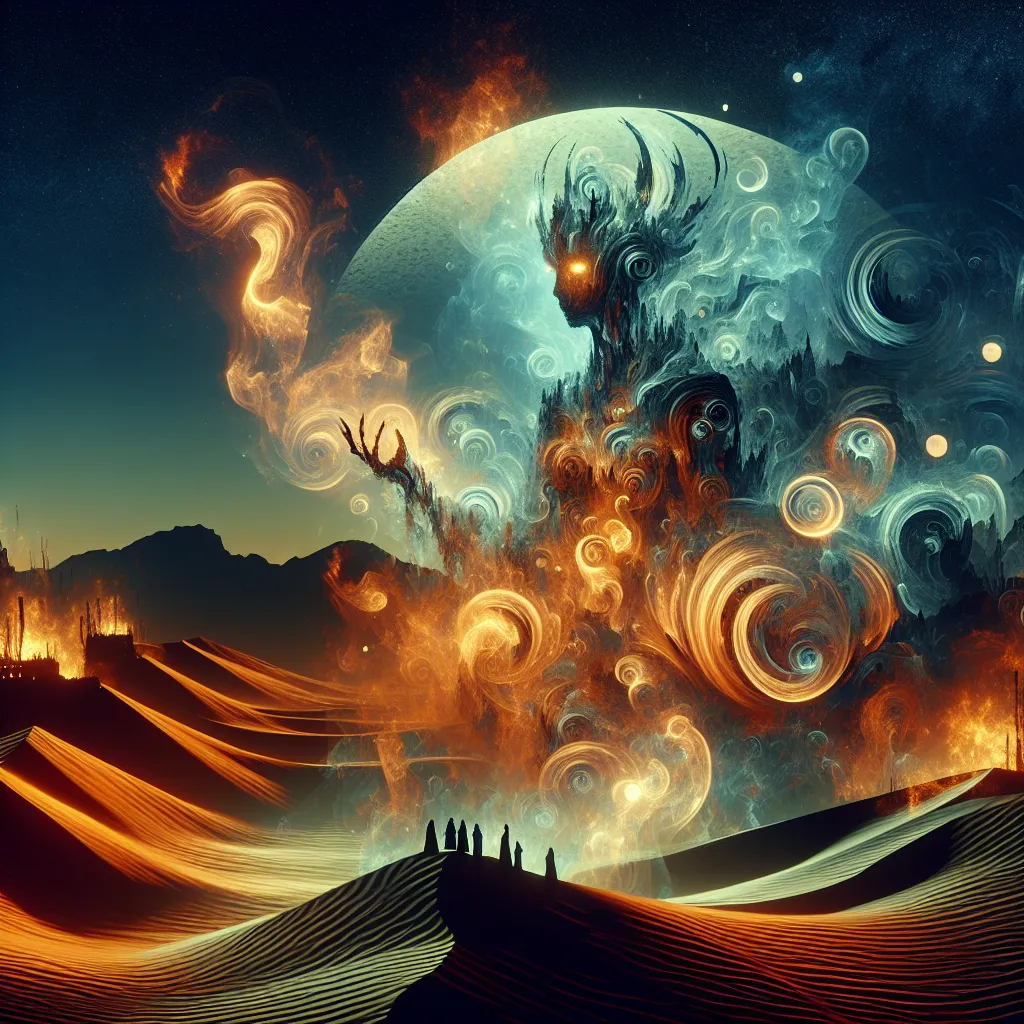
With the rise in popularity of movies like Disney’s “Aladdin,” the genie, originally known as the Jinn, has become a familiar figure in Western culture. However, the Jinn’s history is deeply rooted in Middle Eastern folklore and Islamic teachings, where they are depicted quite differently than the wish-granting spirits we often imagine.
Originating from Arabic and Islamic traditions, the Jinn are mentioned in the Quran as beings created by God from smokeless fire, unlike humans made from clay and angels made from light. The name itself comes from the Arabic word ” Jannah,” meaning to hide or conceal, fitting as they are often considered invisible spirits.
Long before Islam, Jinn were an integral part of pre-Islamic Arabian culture. Scholars aren’t entirely sure of their origins, but some theories suggest they might have once been gods in a polytheistic tradition or malevolent spirits haunting deserts and ruins.
Jinn share many characteristics with humans—they live in societies, have leaders, marry, and even have religions. They can be good or bad, much like humans, and their interaction with people can range from helpful to harmful. This nuanced understanding of Jinn contrasts sharply with the Western idea of demons, which are often seen as purely evil.
Interestingly, Jinn also played a vital role in the cultural life of ancient Arabs. They were believed to inspire poets, much like the muses of ancient Greece. This poetic inspiration was sometimes attributed to possession by a Jinn.
With the advent of Islam, the Jinn were incorporated into religious narratives. The Quran mentions them multiple times, acknowledging their existence and integrating them into Islamic cosmology. Famous Jinn include Iblis, often equated with Satan, who led a rebellion against God.
Jinn can be categorized into different types and ranks. General terms like “Jinn” cover all kinds, while specific terms like “Shaytan” refer to evil ones. “Ifrits” are more powerful and morally ambivalent, often featured in tales like “The Arabian Nights.” The most potent kind, “Marid,” are typically the wish-granting creatures we see in stories like ” Aladdin.”
Various local myths and legends across the Middle East speak of Jinn haunting specific places or guarding ancient treasures. For instance, the ruins of Mada’in Saleh in Saudi Arabia are thought to be infested with Jinn.
Today, the belief in Jinn persists in the Middle East. While some take a metaphorical view, others firmly believe in their existence as real beings. Stories of possession and haunted locations continue to capture the imagination.
In summary, the Jinn are fascinating beings created from fire, deeply connected to the desert cultures and folklore of the Middle East. They can be allies or adversaries, and their rich history and mysterious nature continue to intrigue and inspire people around the world.
Happy October and Happy Halloween!