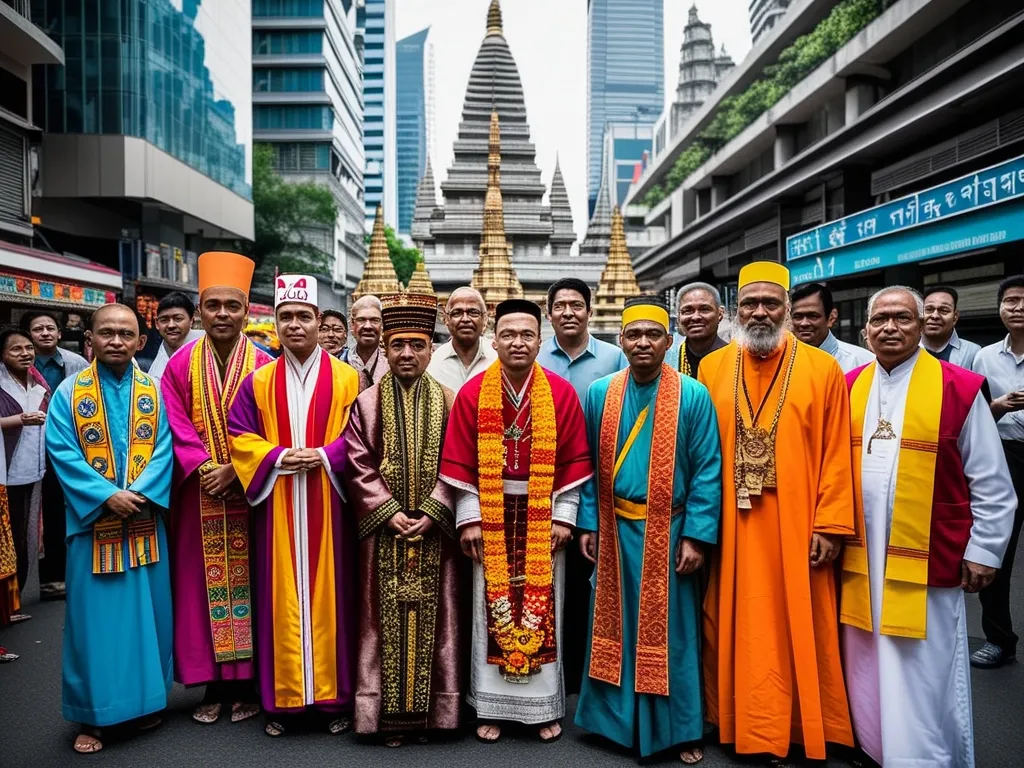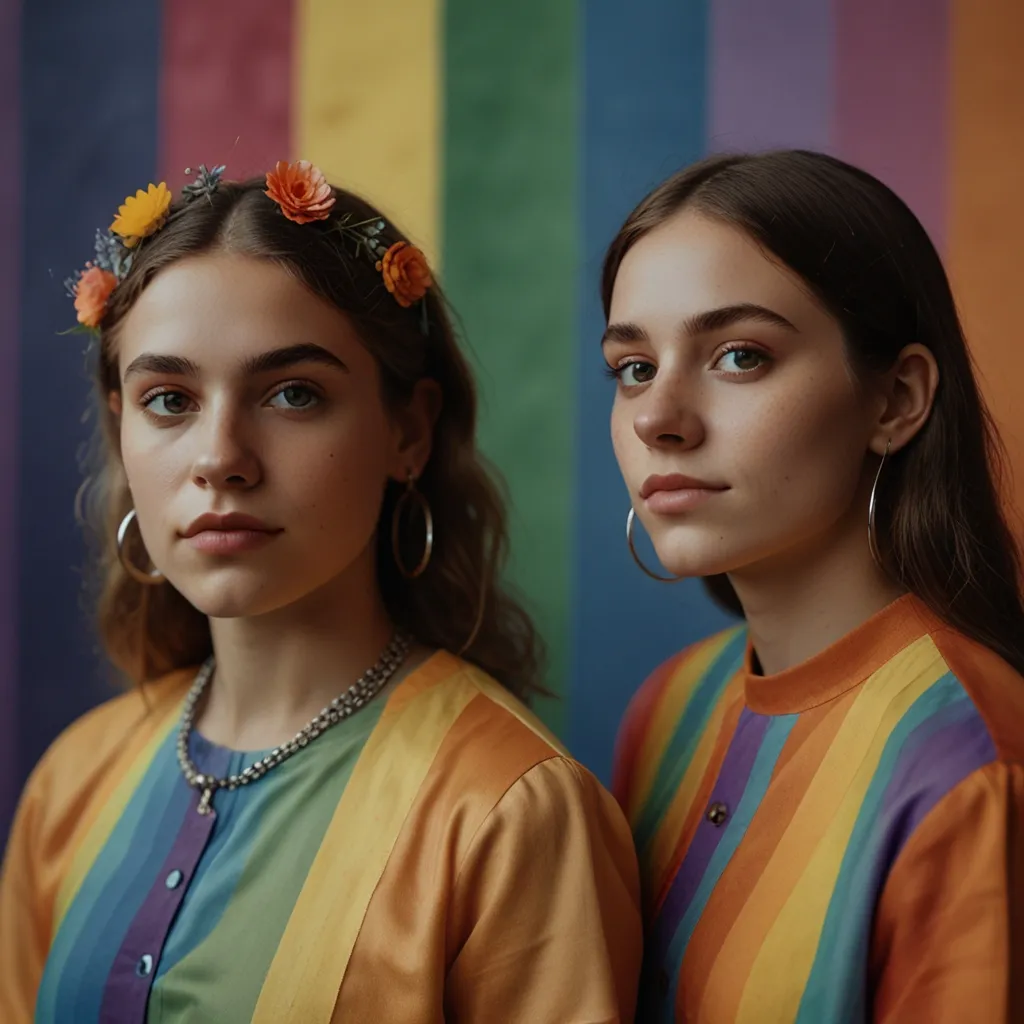
Religion and LGBTQ+ issues have always had a mixed relationship. Some religious groups have been a haven for LGBTQ+ folks, while others not so much. In recent years, though, more and more religious communities are becoming inclusive. For example, some Christian denominations now welcome LGBTQ+ members and support same-sex marriage and the ordination of openly LGBTQ+ clergy.
But acceptance isn’t the same across all religions. Buddhism and Hinduism, for instance, have generally been more open. These religions often focus on personal spiritual growth and accept diverse lifestyles, making them more inclusive. In places like India, where Hinduism is big, studies show that religion doesn’t necessarily lead to negative views of LGBTQ+ people.
However, some religious traditions still have strong negative attitudes. In certain Christian and Islamic circles, interpretations of religious texts condemn same-sex relationships, making life tough for LGBTQ+ individuals in those communities. As a result, many feel pushed out of their religious homes.
Media plays a big part in shaping how we see the relationship between religion and LGBTQ+ issues. Fair and accurate coverage is crucial. More religious Americans are supportive of LGBTQ+ rights nowadays, and media narratives should reflect this diversity of opinion.
Finding a welcoming religious community as an LGBTQ+ individual can be tricky. While some faith communities are openly inclusive, others might be more ambiguous or even hostile. Look for clues on websites and social media – diverse photos and supportive language can be good indicators. Policies on marriage and family values can also show how inclusive a community is. While larger, urban congregations tend to be more welcoming, it’s not always the rule. Sometimes, it takes a bit of trial and error to find the right fit.
The landscape at the intersection of religion and LGBTQ+ issues is complicated and always changing. Despite the challenges, there’s a growing sense of hope and acceptance. With more religious communities embracing diversity, the environment for LGBTQ+ individuals is gradually becoming more welcoming and supportive.