Buddhism is one of the big names in global religions, packed with history and deep beliefs. At the center of it all are the Four Noble Truths, basically the cornerstone of Buddha’s teachings. They help explain why we suffer and how we can break free from it.
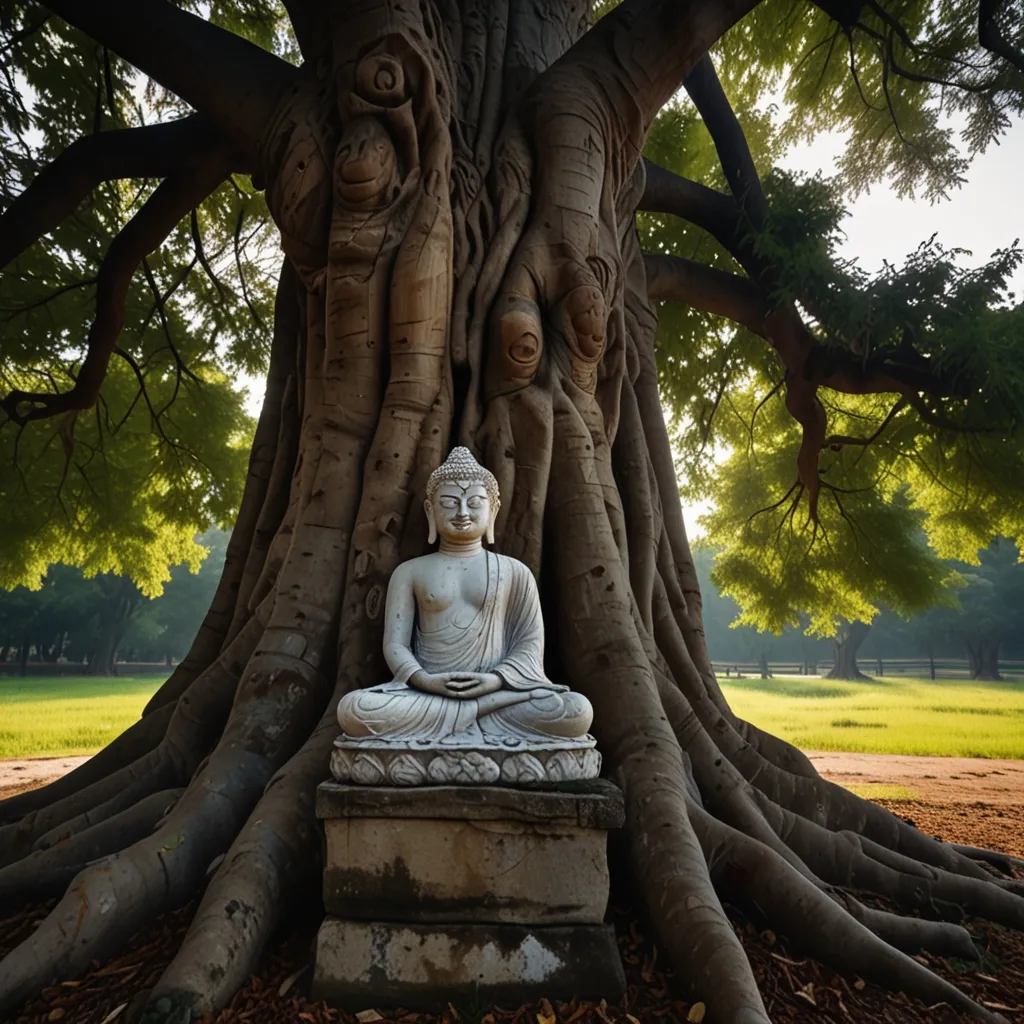
The journey starts with Siddhartha Gautama, a royal kid born between 566 to 480 B.C. Raised in luxury, his life flipped upside down when he bumped into the harsh realities of life—old age, sickness, death, and an ascetic monk. Shocked by this, he ditched his royal life for a spiritual quest. After serious meditation and self-control, he hit enlightenment under a tree and was then known as the Buddha, meaning the “Enlightened One.”
Let’s break down the Four Noble Truths—these are Buddha’s VIP teachings. First up is recognizing that suffering is real and happens all the time. Whether it’s physical pain, heartache, or just a gnawing sense that something’s not right, suffering is everywhere. This isn’t about being negative; it’s about being real. Got problems? Welcome to the club, everyone’s got them.
The second truth dives into why we suffer. Buddhism says it boils down to desire and ignorance. We crave things—pleasures, stuff, even eternal life—that we just can’t have forever. On top of that, ignorance blinds us to what life’s really about, leading to greed, jealousy, anger, and all those negative feels.
Up next is some good news—the end of suffering is possible. This happy place is called Nirvana, a state of bliss free from suffering and the endless cycle of birth, death, and rebirth. Think of it as life’s ultimate cheat code: spiritual awakening and freedom from all that drags us down.
Finally, the fourth truth gives us the roadmap—the Noble Eightfold Path. These eight practices guide us towards a better, more meaningful life. It’s like Buddhism’s life manual: Right Understanding, Right Thought, Right Speech, Right Action, Right Livelihood, Right Effort, Right Mindfulness, and Right Concentration. These practices touch on everything from wisdom and ethical behavior to mental focus.
In simpler terms, Right Understanding is all about knowing what’s real and grasping these Four Noble Truths. Right Thought means nurturing good vibes like compassion. Right Speech? It’s about being honest and kind. Right Action means behaving ethically and harming no one. Right Livelihood encourages work that’s good for the soul and society. Right Effort is trying to kick bad habits and grow good ones. Right Mindfulness is staying present, and Right Concentration is sharpening your mind through meditation.
You don’t have to be a monk meditating on a mountain to apply these truths. They’re practical for daily life. When suffering pops up, use these truths to get why it’s happening and trace its roots. Often, you’ll find it’s your desires or misunderstood ideas at work. Letting go of this baggage bit by bit, we follow the Eightfold Path to live wisely, act right, and keep our heads clear.
These Four Noble Truths have been around for ages, guiding countless folks on their spiritual journeys. They’re not just for Buddhists; anyone keen on spiritual growth can find wisdom in them. They reveal a lot about why life is the way it is and how we can find true happiness.