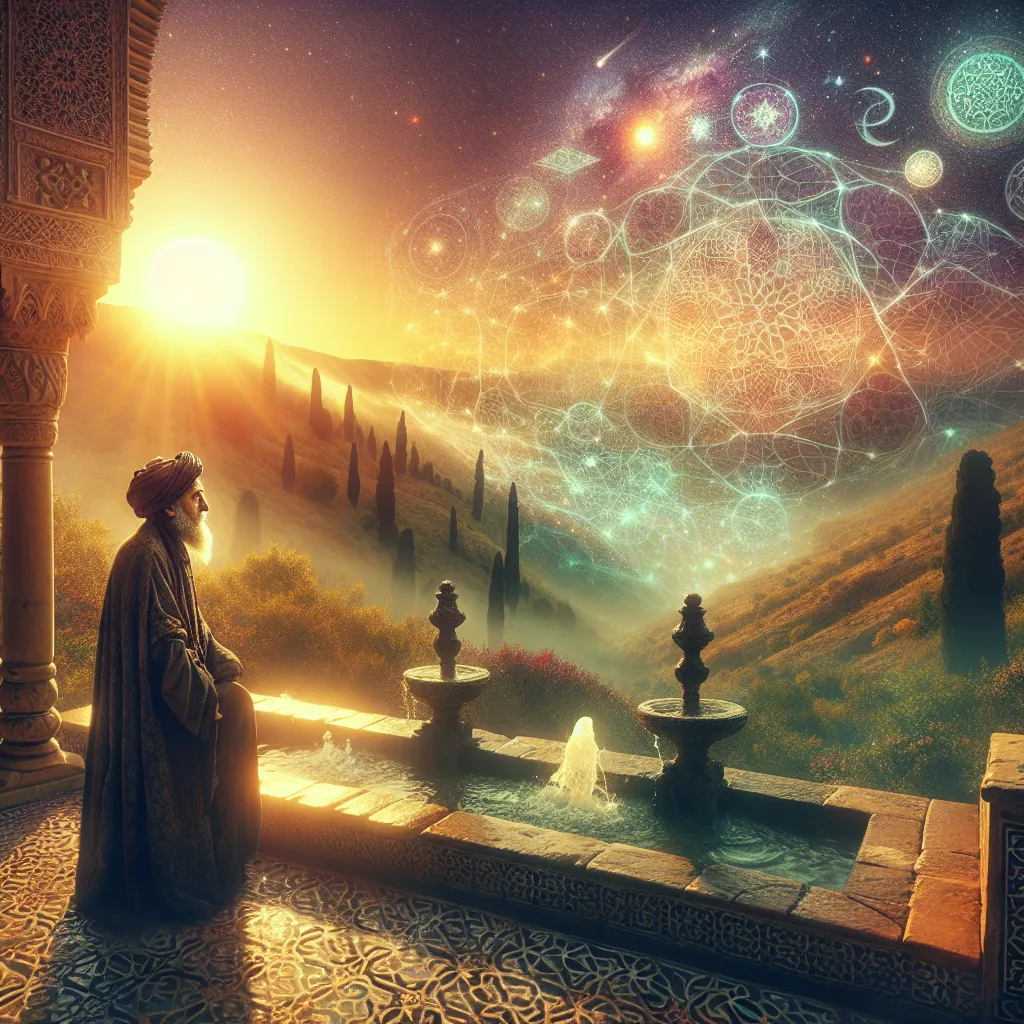
Advaita Vedanta, a non-dualistic philosophical interpretation of the Vedas, is one of the most admired schools of thought in Hinduism. At the heart of this tradition lies the concept of “advaita,” which means “not two,” emphasizing a singular, indivisible reality – often known as Brahman. This philosophy has significantly shaped the intellectual landscape in India and has garnered a strong following in the Western world.
Much of Advaita Vedanta is attributed to the teachings of Shankara, also referred to as Adi Shankara or Shankaracharya. Although the non-dual interpretation of the Upanishads can be traced back to earlier figures like Gaudapada, Shankara’s profound influence through his writings and teachings has cemented his role as a pivotal figure in Advaita Vedanta.
Shankara’s biography is shrouded in mystery, with traditional accounts written centuries after his death, often filled with hagiographical elements. Despite the scant historical evidence, it’s generally believed that Shankara lived around 700 A.D. and was born into a Brahman family in Kerala. He became a wandering ascetic and eventually, a revered teacher. Shankara traveled extensively, engaging in debates and defeating philosophers from various schools with his formidable rhetorical skills.
Shankara wrote extensively, and his works demonstrate his mastery of Sanskrit argumentation. Among his notable texts are the commentaries on the Brahma Sutras, the Bhagavad Gita, and several Upanishads. Although there is debate about the authenticity of some texts attributed to him, these commentaries are widely accepted as his genuine contributions.
The fundamental premise of Advaita Vedanta lies in the oneness of the absolute reality – Brahman. Shankara asserted that the self (Atman) is not different from Brahman. Our experience of the world, filled with multiplicity and distinctions, is a result of ignorance or avidya. This ignorance leads to superimpositions (adhyasa), where we mistakenly identify ourselves and the world around us as separate entities rather than recognizing them as Brahman.
A popular example Shankara used to illustrate this concept is the analogy of the snake and the rope. When we mistake a rope for a snake, we react with fear. Upon closer examination, we realize it’s just a rope, and the perceived snake was an illusion. Similarly, the world appears in multiplicity, but it is only Brahman – this misunderstanding is due to avidya.
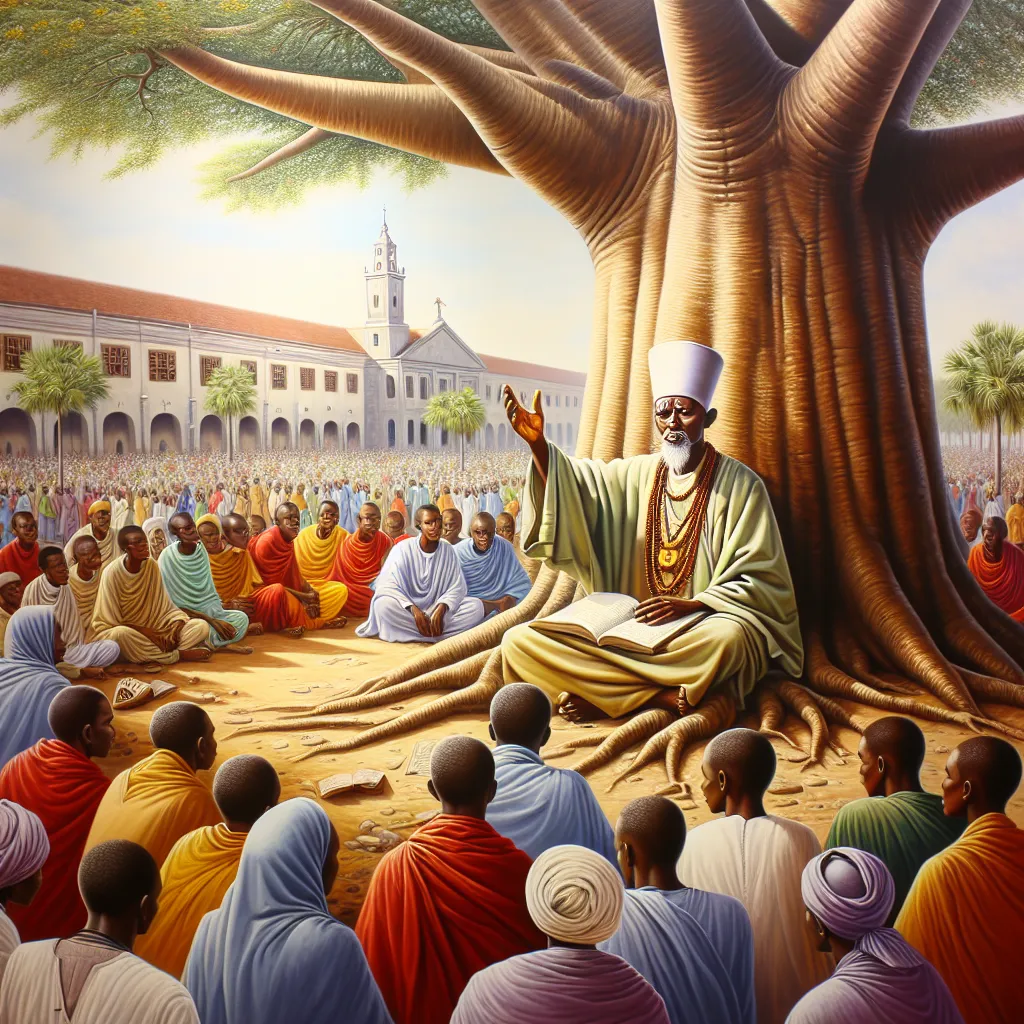
Shankara also cautioned against overemphasizing rituals for liberation. While he acknowledged their temporary benefits, he stressed that true liberation (moksha) could only be achieved through jñāna (knowledge) – specifically, the realization of one’s true self as Brahman, which can be attained through the study of scriptures under the guidance of a qualified teacher.
Heavily rooted in the Vedic tradition, Shankara’s views on eligibility for studying Advaita Vedanta were shaped by the social context of his time, often excluding those not part of the Brahman caste or women. Despite these restrictions, Shankara’s teachings have had a lasting influence on various Hindu traditions and practices.
One complex aspect of Shankara’s philosophy is his stance on devotion (bhakti) and theism. While some critics argue that his strict non-dualism denies the legitimacy of worship, Shankara’s own writings often praise the Lord (Ishvara) and discuss the practice of devotion. There is considerable debate among scholars about whether Shankara saw the Lord as a preliminary concept or as an integral part of understanding Brahman.
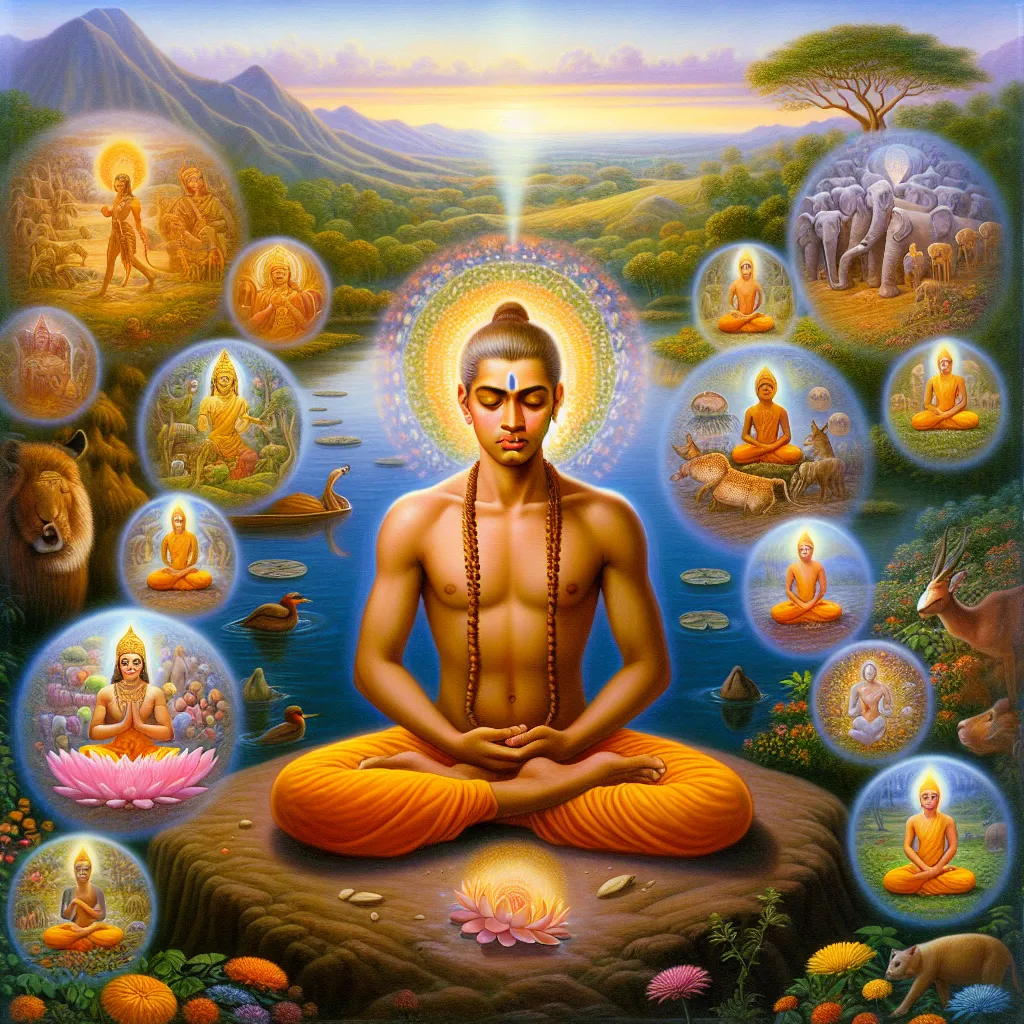
In essence, Shankara’s teachings revolve around the idea that the apparent world is a series of mental constructs overlaying the one true reality – Brahman. By dispelling ignorance and realizing the oneness of Atman and Brahman, one can attain liberation from the cycle of rebirth.
Shankara’s impact is far-reaching. His ideas have shaped not only the Advaita tradition but also the broader landscape of Hindu intellectual thought. His teachings continue to inspire and guide spiritual seekers today, making him a towering figure in the history of Indian philosophy, despite his short life of 32 years.