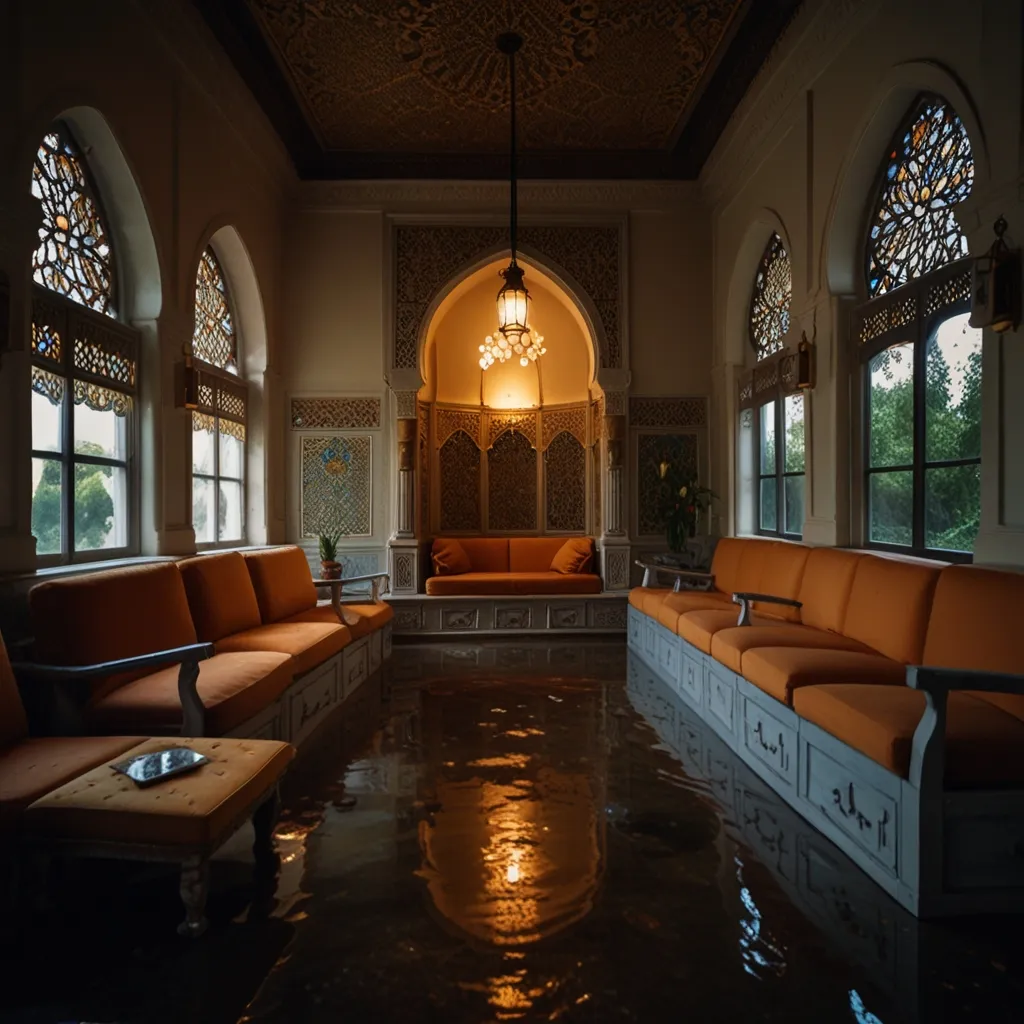
In Islam, the belief in an afterlife is a big deal and really shapes how followers view heaven and hell. These concepts are core to their faith and pop up a lot in the Quran and Hadiths. Let’s look closer at what Islam says about these eternal places.
Heaven: A Garden of Bliss
Heaven, or Jannah, sounds like a dream. It’s described as a stunning garden where good people get to enjoy endless happiness. Picture this: lounging on comfy couches, munching on amazing fruits, and sipping from rivers of milk and honey. The Quran calls it “The Garden of Eden,” hinting at a return to the paradise where humans first lived. This beautiful place is for those who have lived trustworthy lives and followed God’s rules.
Hell: A Place of Punishment
Hell, or Jahannam, is the total opposite. It’s the spot for those who strayed from God’s way. Imagine fire, torment, and suffering – that’s what the wicked face here. The Quran says hell has boiling water and fire, and get this, it has guardians who torment the sinners too. Some scholars think this punishment lasts forever, while others believe it might be temporary, a sort of purification before maybe moving on to heaven.
The Day of Judgment
A key part of believing in the afterlife is the Day of Judgment. On this big day, God will judge everyone’s actions. Good deeds get you into heaven, while bad ones send you straight to hell. This idea of being held accountable makes Muslims want to lead virtuous lives.
Predestination and Free Will
In Islamic belief, there’s also this concept of predestination. Muslims believe God knows everything and has a plan for everyone. But that doesn’t mean humans don’t have free will. It’s more like they can make choices, but those choices are all within God’s grand plan.
Non-Muslims and Salvation
The fate of non-Muslims is a hot topic. Some scholars think non-Muslims, especially those who didn’t know about Islam or were misled, might be forgiven. Others say those who heard about Islam but didn’t embrace it face punishment in hell. This debate shows just how complex Islamic theology can be, with many different interpretations.
The Role of Hadiths
Hadiths, which are the sayings and actions of the Prophet Muhammad, help a lot in understanding these beliefs. They give more details about heaven and hell, sometimes going beyond what the Quran says. For example, some Hadiths suggest that Muslims who’ve sinned might only be in hell temporarily, getting purified before heading to heaven.
Conclusion
The Islamic perspective on heaven and hell is deep and layered, showcasing a strong belief in the afterlife and the importance of living righteously. Despite the debates among scholars, the main idea stays the same: everyone faces judgment and either rewards or punishment. This belief is a guiding star for Muslims, pushing them towards virtue and the quest for God’s mercy.