What Can 30 Birds Teach Us About Finding the Divine Within?
Journey Through Sufi Mysticism: Discover the Timeless Beauty of 'The Conference of the Birds'
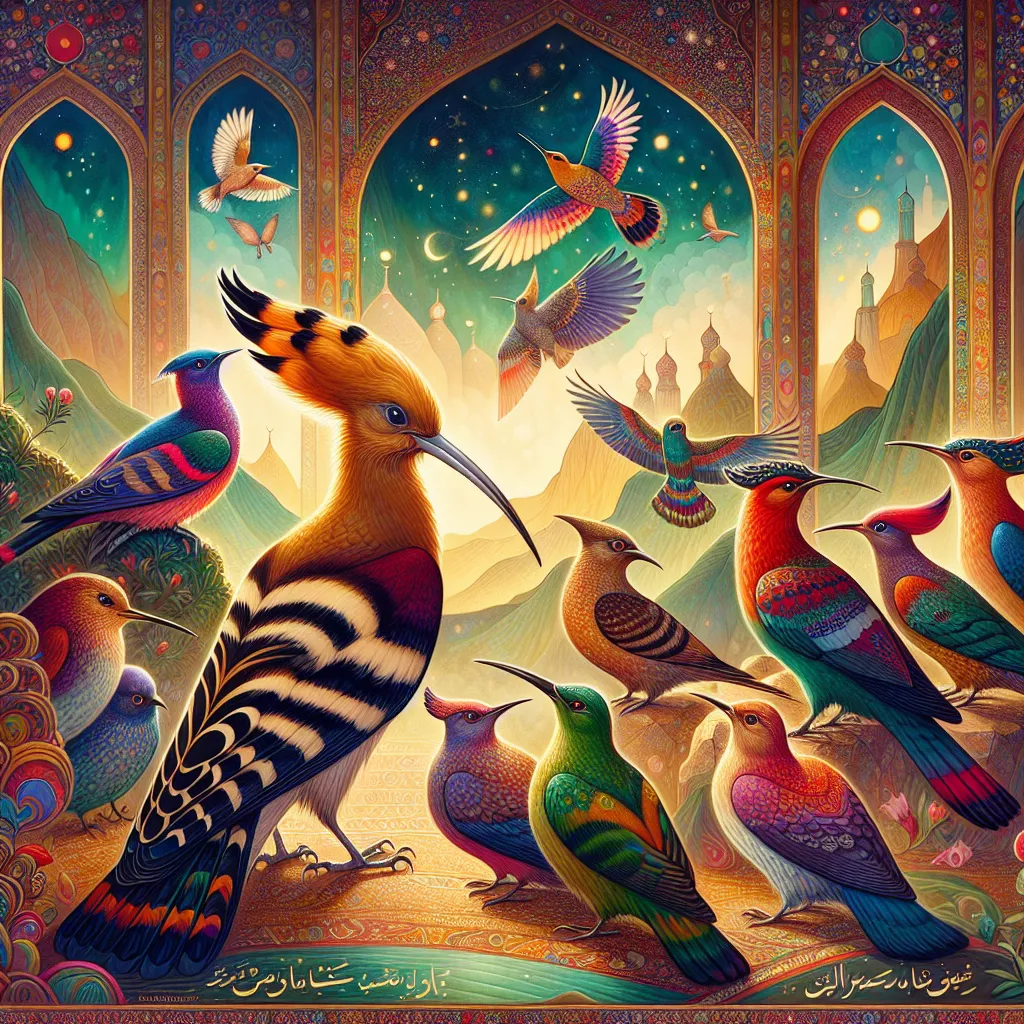
Sufism has gifted the world with incredible artistic expressions, notably music, visual arts, and especially literature. While the mystical experiences that Sufi scholars point to are hard to fully put into words, poets like Rumi have tried beautifully. Throughout history, Sufis have used poetry to articulate their spiritual consciousness. Names like Ibn Arabi, Ibn al-Farid, and Yunus Emre come to mind, but one of the timeless masterpieces in Sufi poetry is “The Conference of the Birds” by the 13th-century Persian poet Fariduddin Attar.
This poetic marvel not only stands as a pillar of Sufi literature but is also a cornerstone of Persian poetry. Attar’s work explores and embodies the core doctrines of Sufism through engaging and visually stunning storytelling. Diving into the minds of scholars like Attar through “The Conference of the Birds” promises a journey through profound spiritual themes narrated in captivating poetic form.
While Rumi is a well-known name globally, thanks to the many translations of his works, enthusiasts of Sufi poetry also value Attar highly. Rumi himself often credited Attar as a significant influence. Not much is known about Attar’s life beyond legendary stories, but he hailed from Nishapur in present-day northeastern Iran. His exact years of birth and death are debatable, though he is believed to have lived from the early 12th century to about 1220.
Attar may have been connected to the profession of pharmacy, as his title ‘Attar’ translates to ‘perfumer’ or ‘druggist.’ It’s likely he belonged to a family of pharmacists and wrote much of his work in a chemist shop. Though there is some debate about his direct involvement with Sufism, the profound Sufi themes in his poetry suggest an intimate understanding of the tradition.
“The Conference of the Birds” beautifully encapsulates the mystical journey of Sufism. Translators like Afkham Darbandi and Dick Davis have managed to retain the poetic essence of the original Persian text. The poem stands out for its structure, where birds embark on a journey to find their king, the Simorgh. Led by the wise hoopoe, each bird embodies human traits and attachments that distract them from spiritual fulfillment.
The birds traverse seven metaphorical valleys — each representing a stage in spiritual development, such as love, knowledge, detachment, unity, bewilderment, poverty, and ultimately annihilation (fana) in the Divine. The poem’s climax reveals a profound truth: the Simorgh they seek is a reflection of themselves. The Persian word ‘Simorgh’ means ‘thirty birds,’ highlighting that the essence of the divine is within.
Attar’s exploration of spiritual themes is expressed through vibrant stories and metaphors, making it a timeless masterpiece. His influence on later Sufi poets, notably Rumi, was immense, and many Islamic scholars and poets drew inspiration from his work.
Sufi literature’s depth and beauty continue to enthrall readers and scholars alike. “The Conference of the Birds” offers a profound, poetic journey into the heart of Sufi mysticism, making it a must-read for anyone interested in the spiritual path.
If you’re keen to explore this poetic gem, and especially if you’re interested in Sufism, Attar’s “The Conference of the Birds” is an excellent start. It’s a magnificent window into the world of Sufi thought and Persian literature, capturing the essence of human spirituality and the quest for divine union.