Hindu worship is all about color, sound, and personal connection, and it’s everywhere in their daily life. It’s not just a thing for temples or certain times of the day; it’s woven into every moment.
Idols in Hinduism are unique. They’re not actually gods but serve as tools to connect believers with the divine energy that exists in every atom. Rituals involving these idols are about inviting this energy into the physical form, making the whole experience deeply spiritual.
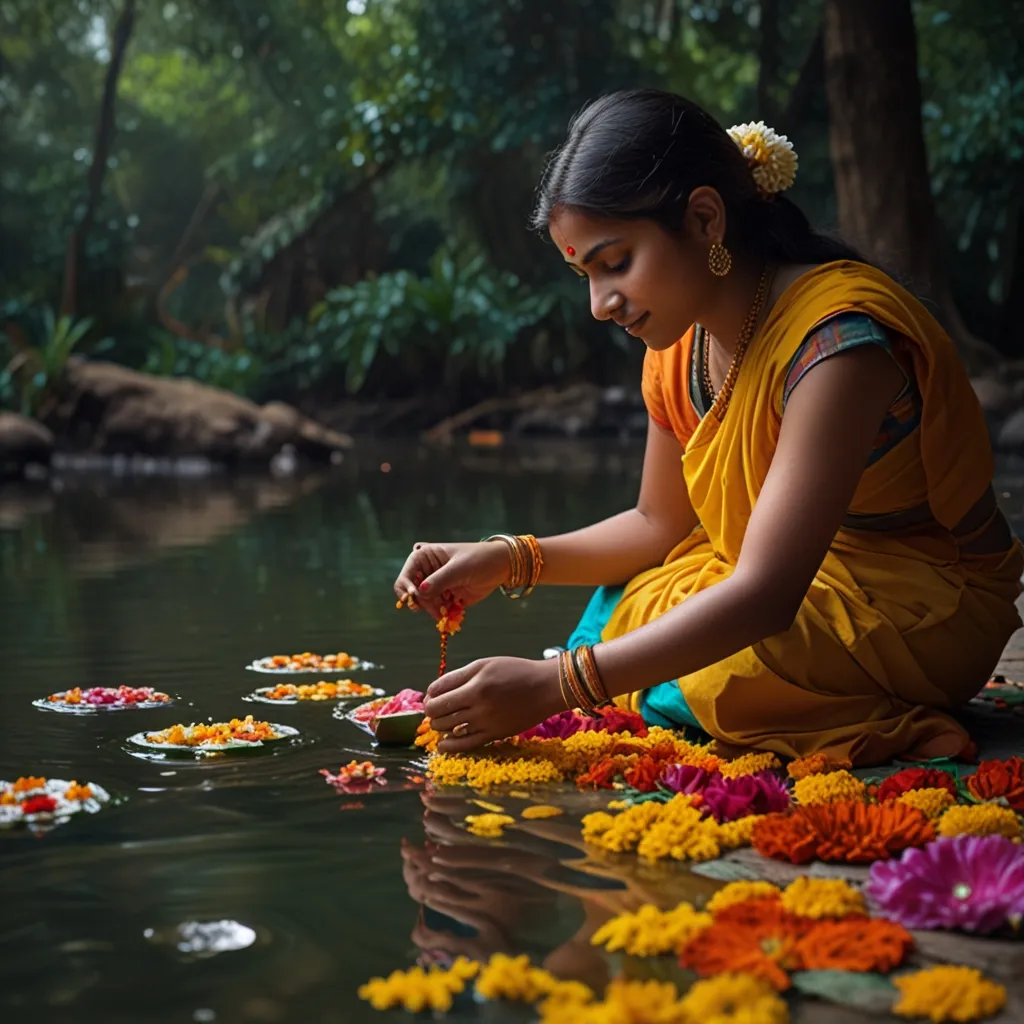
Hindu worship is a treat for the senses. Incense, butter lamps, bells, music, and chanting all come together to create an immersive experience. Idols are often adorned with colorful powders and vibrant flower garlands. This visual and sensory feast makes the worship experience enchanting and beautiful.
The practice of puja, or worship, is a daily affair for many Hindus, done at home or in temples. It usually includes prayers and offerings. Interestingly, more women than men perform daily puja at home, though at temples, both genders participate equally.
One of the most exciting Hindu festivals is Diwali, the festival of lights. This five-day celebration is filled with lights, gifts, prayers, and fireworks, symbolizing the joy and light that Hindu worship brings to life.
Hinduism is a complex and diverse religion, with no single central authority. It has multiple denominations like Shaivism, Shaktism, Smartism, and Vaishnavism, each with its own focal deity and traditions. Despite this diversity, what unites Hindus is the belief in the omnipresence of God, reflected in their reverence for nature, rivers, and trees.
The use of idols can be puzzling to outsiders, but for Hindus, these are not worshipped as gods. They are more like visual aids that help in connecting with the divine. This is somewhat akin to how Christians might use images of the cross or Jesus.
Hindu worship goes beyond rituals; it delves into the personal. It’s about exploring one’s internal relationship with God. This personal touch is evident in how idols are treated with love, often dressed in clothes and ‘fed’ like living beings.
Community and social practices are also pivotal in Hinduism. Temples act as the focal point for social and cultural gatherings, building a sense of unity and belonging.
Hinduism’s impact isn’t limited to India. It has a significant presence in countries like Nepal and elsewhere globally. Hindus, even as minorities, often emerge as highly educated, underlining the value of knowledge and self-improvement in their culture.
In a nutshell, Hindu worship is vibrant and inclusive, integrating spirituality into everyday life. It’s characterized by rich sensory rituals, a personal divine connection, and strong community ties. Whether through idols, nature, or deep personal devotion, Hindu worship underscores the lasting power of faith and spirituality.