What Mystical Secrets Are Hidden in the Whirling Dance of Sufism?
Mystical Symphony: The Enchanting Spiritual World of Sufism
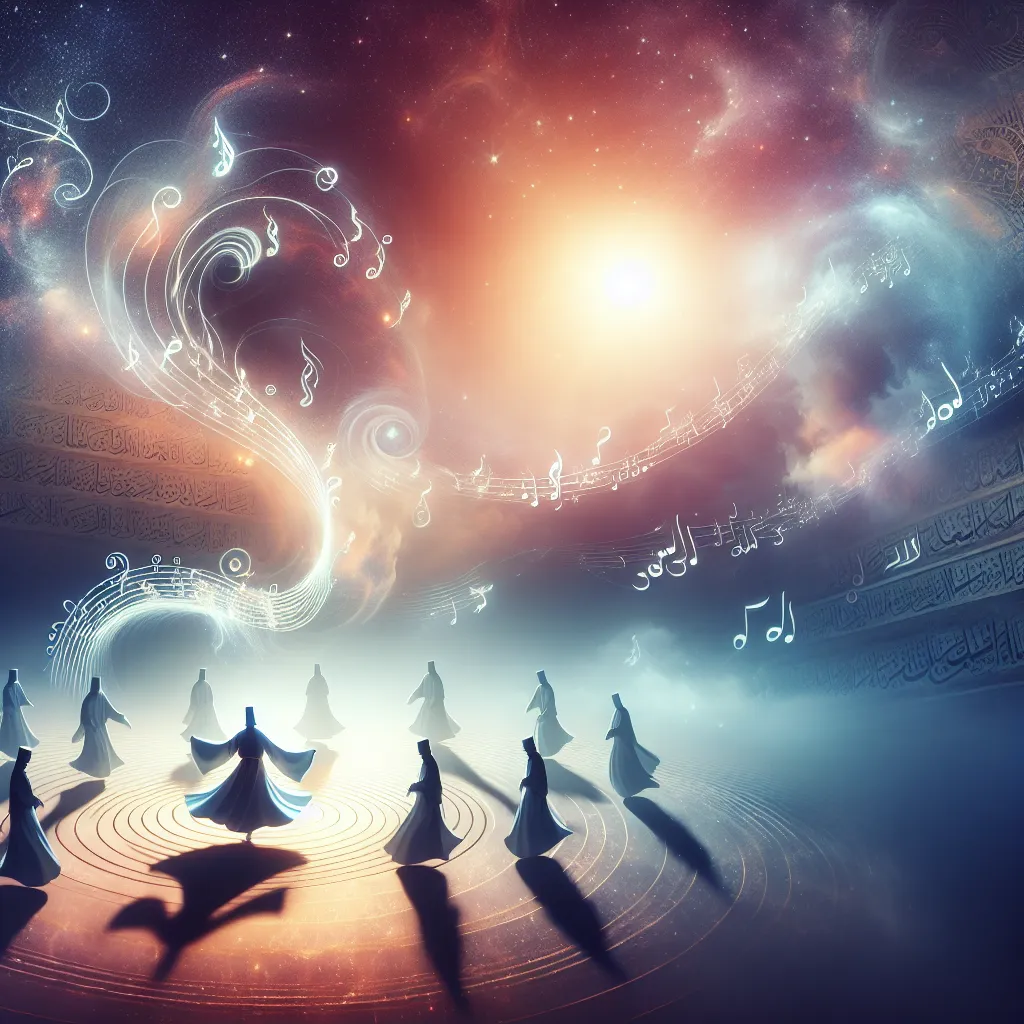
Have you ever been captivated by the dreamy verses of Rumi or been swept away by the mystical melodies of Nusrat Fateh Ali Khan? If so, you’ve brushed against the very essence of Sufism. It’s a term that many people worldwide have heard of, but often only understand in a superficial way.
Most folks associate Sufism with Islam, often viewing it as just a minor spiritual offshoot focused on peace. While that’s not entirely wrong, Sufism is much richer and more widespread than commonly believed. At its core, Sufism has played a major role in the history and development of Islam, influencing everything from personal spirituality to vast empires.
So, what exactly is Sufism? Many people describe it as Islamic mysticism, which is a solid starting point despite its limitations. Sufism intertwines with Islam so deeply that for centuries, it was impossible to view them separately. It’s not just a “branch” of Islam like Sunni or Shia; rather, it’s a dimension that emphasizes spiritual practices and ethical living.
Central to Sufism is the idea of purifying the soul to achieve a closer relationship with God. Sufis follow the core Islamic practices—praying, fasting, pilgrimage—but they also go beyond these rituals. They engage in additional spiritual practices, like extended fasting, night prayers, and renouncing material wealth, aiming to foster a more profound spiritual connection.
One hallmark of Sufism is zikr (Arabic for “remembrance”), which involves chanting the names of God, either silently or out loud, often in trance-like states. This practice helps Sufis focus entirely on the divine, stripping away ego and worldly distractions.
Another distinctive practice is Sama, meaning “listening.” Sama involves rhythmic music and poetry designed to evoke states of spiritual ecstasy. It’s a way for Sufis to feel closer to God, often accompanied by physical movements or even dance. Despite its deep roots, Sama has been somewhat controversial, with some Sufi orders embracing it and others rejecting it entirely.
In Sufi thought, true knowledge of God isn’t something you can find in books. It’s experiential and direct, acquired through mystical practices and personal transformation. This kind of knowledge, called marifa, involves a profound spiritual insight that goes beyond intellectual understanding.
Sufis aim to conquer the nafs (ego or lower self), which seeks worldly pleasures and leads to sinful behavior. By subduing the nafs, Sufis strive to achieve a state of fanaa—complete annihilation of the ego, where they realize that only God exists. This can manifest in extreme forms, like the ecstatic utterances of historical figures such as al-Hallaj, who famously declared “I am the Truth.”
Sufi teachings have been meticulously recorded in various manuals and texts over the centuries, helping to integrate Sufism into mainstream Islamic practice. Scholars like al-Ghazali synthesized Islamic teachings with Sufi spirituality, contributing to its acceptance and spread.
From the 12th century onwards, Sufism became more structured through the formation of various orders or tariqas, each following the teachings of a particular Sufi master. These orders, like the Qadiriyya or Mevlevi (founded by Rumi), often established centers where followers would gather for spiritual practice.
Sufism’s rich tradition has given birth to some of the world’s most beautiful poetry and music. Rumi’s verses, often tinged with themes of divine love and yearning, are globally admired. Sufi music, particularly Qawwali, has also gained international fame, with artists like Nusrat Fateh Ali Khan captivating audiences worldwide.
Yet, despite its broad appeal and deep roots in Islamic history, Sufism has faced its share of challenges and misunderstandings, both from within and outside the Muslim world. Modernist and fundamentalist movements have sometimes regarded it with suspicion or outright hostility, seeing it as at odds with their interpretations of Islam.
However, Sufism remains vibrant. In places like Senegal, it’s an integral part of Muslim life. Even in the West, Sufism has found new followers and admirers, often presented as a universal spirituality that transcends religious boundaries.
In the end, Sufism is as complex as it is beautiful. It offers a rich tapestry of spiritual practices, poetic expressions, and profound philosophies that continue to inspire and fascinate people worldwide. So, next time you hear a Rumi poem or a Sufi melody, remember—there’s much more to the story.