What Secrets Does the Unconventional Gospel of Philip Hold?
The Gospel of Philip: A Hidden Gem Unveiling Early Christian Diversity
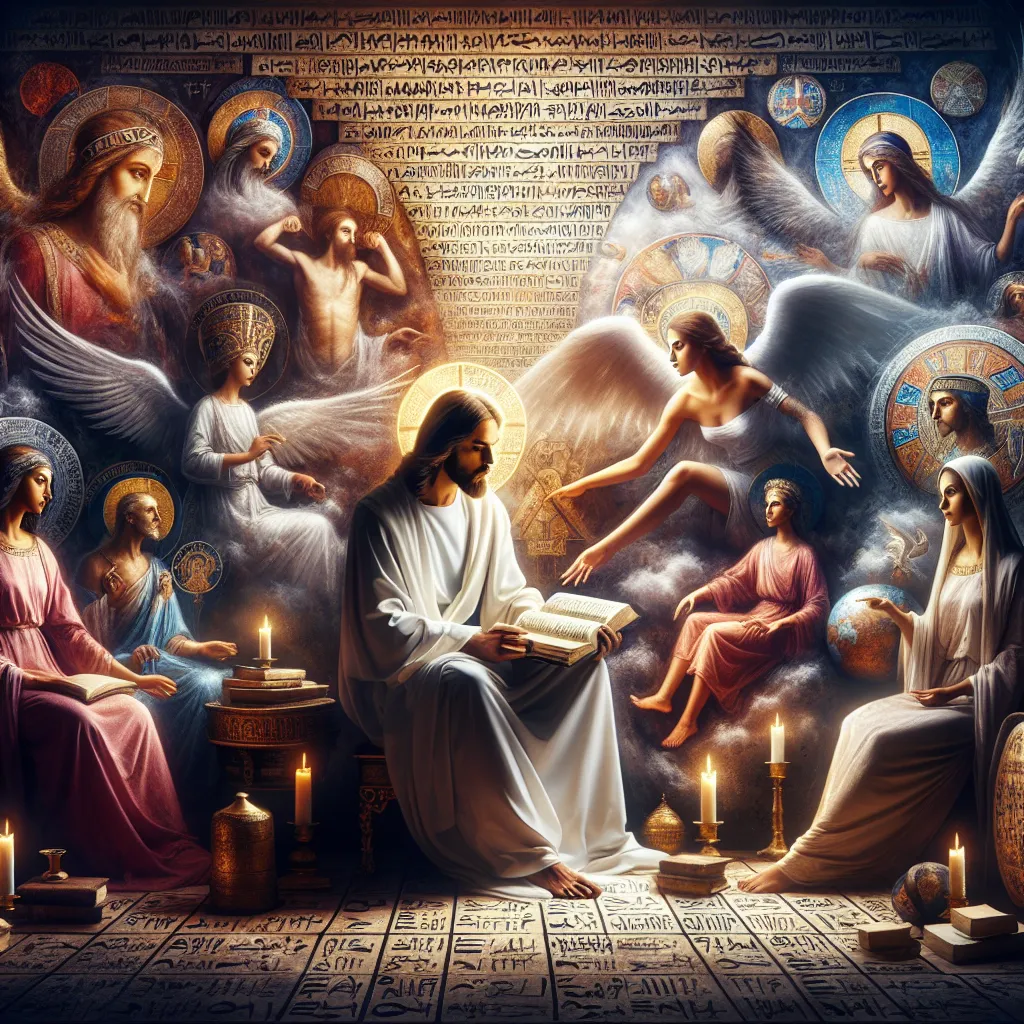
I have to admit, I can’t get enough of the non-canonical gospels. They’re utterly fascinating! They raise so many questions and “what ifs”, enriching our understanding of the early days of one of the world’s largest religions. They shed light on how such traditions evolve over time and context.
We’ve previously explored the gospels of Thomas, Judas, and Mary. With Christmas on the horizon, it seems fitting to dig into another one of these intriguing texts often dubbed “Gnostic Gospels.” Today, let’s dive into the Gospel of Philip, which has one of the coolest names, and it’s a text as strange and complex as it gets.
The Gospel of Philip didn’t make it into the Bible or the New Testament. It circulated among early Christian groups but eventually faded into obscurity until the 1940s. That’s when the Nag Hammadi library discovery unveiled a treasure trove of ancient texts, revolutionizing our understanding of early Christian diversity. Among these, the Gospel of Philip stands out, not least because it gets a mention in pop culture hits like The DaVinci Code.
So, what’s this text about? Well, it’s written in Coptic, likely translated from an original Greek version. Scholars believe it might hail from Syria, composed in the late 2nd century. But unlike the canonical gospels, it is a collection of paragraphs and short sections, often feeling disjointed and esoteric. Jesus makes cameo appearances, offering only about 15 sayings.
Pinning down who wrote it is tricky. It wasn’t the disciple Philip, who’s barely mentioned. Instead, it may be a composite of different sources. The text showcases diverse themes from various Christian groups—Valentinians, Gnostics, and Thomasines, making it hard to attribute to one single group. Most scholars lean towards a Valentinian context, a sect founded by Valentinus in Rome, who just missed becoming the Pope.
One prominent theme in the Gospel of Philip is the dichotomy between esoteric and literal interpretations of scripture. Salvation, it argues, comes not through Christ’s death and resurrection but through gnosis, true knowledge. It hints at dualism between the material world created by an inferior deity—the Demiurge—and the higher spiritual realm.
The text is sprinkled with striking imagery, especially around themes of unity. It hints at an androgyne state of original human perfection, disrupted by the physical world’s dualities. The ultimate goal, it suggests, is a reunion of soul and spirit, often using marriage and bridal chamber metaphors. But what exactly does the bridal chamber signify? Some speculate it could be a ritual; others see it as symbolic of union with the divine.
Perhaps the most famous and controversial aspect is its portrayal of Jesus and Mary Magdalene. Describing her as the “companion” whom Jesus loved more than others, the text’s missing word in a passage about Jesus kissing Mary has spurred countless debates. Whether reading this as an indication of romantic involvement or symbolic gnosis transfer, it’s a provocative element.
Though it didn’t make the Bible, the Gospel of Philip reveals the rich diversity of early Christianity, full of complex ideas and intriguing metaphors. It continues to fascinate scholars and casual readers alike, reminding us of the intellectual melting pot from which modern Christianity emerged.