Which Type of Buddhism Speaks to Your Spirit?
Exploring Buddhism: A Journey Through Ancient Paths, Mystical Practices, and Modern Meditations
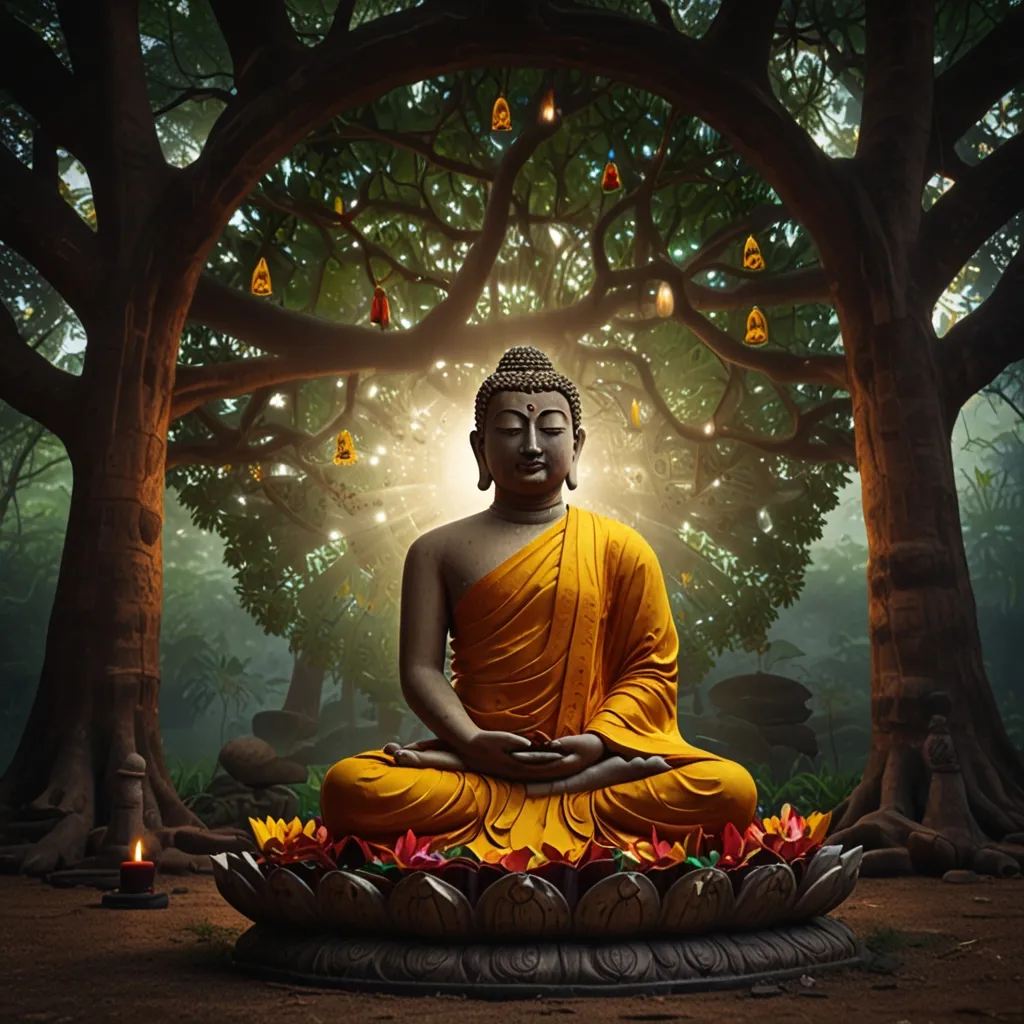
Buddhism, one of the oldest and most followed religions on Earth, started over 2,500 years ago in India by Siddhartha Gautama, or as most know him, the Buddha. Over time, this spiritual path has branched out into various schools, each unique in its practices and beliefs. Let’s take a laid-back tour through the different types of Buddhism and see what makes each one tick.
Theravada Buddhism is considered the granddaddy of all Buddhist traditions. Found mainly in Sri Lanka and Southeast Asia, it’s all about sticking to the original teachings of the Buddha. Practitioners aim to become enlightened through their own efforts, focusing heavily on meditation. The ultimate goal? To become an arhat, a perfectly liberated being, by following the Eightfold Path and understanding the Four Noble Truths.
In contrast, Mahayana Buddhism is the most widespread form, with its teachings bringing light to countries like China, Japan, Korea, and Vietnam. This school features the concept of the bodhisattva, enlightened beings who stay back to help others reach enlightenment. They’ve got a variety of texts beyond just the earliest scriptures, and they emphasize compassion and wisdom as pathways to enlightenment.
Then, there’s Vajrayana Buddhism, also known as Tantric Buddhism, which takes root in Tibet and neighboring regions. With a mystical twist, it uses rituals, mantras, and visualizations for a quicker shot at enlightenment. Followers here dive deep into practices involving deities and mandalas, with the Dalai Lama being a central spiritual figure.
Zen Buddhism, you’ve likely heard about, especially if you’ve ever tried meditation. Popular in Japan and with roots in China (where it’s called Chan), Zen is all about direct experience over dogma. Meditation, or zazen, is key here, often accompanied by those brain-teasing koans. Its simplicity and hands-on approach have made Zen a hit in the Western world too.
Originating in 13th century Japan, Nichiren Buddhism focuses on the accessible enlightenment for all. The mantra “nam-myoho-renge-kyo” is the heart of the practice, believed to spark spiritual awakening. It strongly encourages living the teachings in everyday life.
Tibetan Buddhism is a colorful blend of Vajrayana and Mahayana elements. Known for rich rituals and grand monasteries, it involves themes like reincarnation and the guidance of experienced spiritual teachers. The Dalai Lama stands as a revered personality, embodying compassion.
Pure Land Buddhism, mostly spread across East Asia, highlights the devotion to Buddha Amitabha. Chanting his name, followers aim for rebirth in the Pure Land, a paradise conducive to achieving enlightenment.
Shingon Buddhism, another Japanese variant of Vajrayana, leans into the mystical with rituals and mantras, focusing on a complete spiritual practice involving body, speech, and mind.
Madhyamaka and Yogacara, two key schools within Mahayana Buddhism, dive into philosophical questions. Madhyamaka emphasizes emptiness – the idea that nothing has an inherent self. Yogacara, on the other hand, explores the nature of consciousness and perception.
All in all, Buddhism presents a rich diversity of spiritual paths, whether it’s the disciplined path of Theravada, the ritualistic journey of Vajrayana, or the meditative simplicity of Zen. There’s a little something for everyone interested in deepening their understanding of life and seeking enlightenment.