Sufism, or tasawwuf, is renowned worldwide for its rich artistic expressions, encompassing art, music, and especially poetry. Persian Sufi poet Jalal al-Din Rumi has gained immense popularity in Europe and North America, at one point being the best-selling poet in the U.S. Other Persian poets like Hafiz, Sadi, and Attar have also graced pop culture. Yet, Arabic Sufi poetry hasn’t seen the same recognition, despite its equal significance in the history of Sufism and its abundant beauty.
Let’s talk about one notable Arabic Sufi poet, Abu al-Hasan al-Shushtari. Born in 1212 in a small village near Granada, Spain, he emerged during a pivotal period producing significant philosophers and mystics. Coming from an aristocratic family, Shushtari’s life changed dramatically when he embraced the Sufi way, abandoning material wealth and societal status to pursue a life of asceticism and mysticism.
Shushtari’s journey took him through North Africa and al-Andalus (modern Spain), where he became involved with the Sufi order of Abu Madyan, practicing extreme asceticism and poverty. His devotion to detachment from worldly things and profound focus on spiritual poverty earned him the nickname “Imam of the withdrawn Sufis.” Known for his voluntary poverty, he stressed that true understanding of God involved stripping oneself of all worldly identities and ego.
In the world of Sufi poetry, Shushtari stands out for his adoption of Iberian dialects and innovative poetic forms. While most classical Sufi poetry was composed in formal Arabic, Shushtari’s works included local dialects, making mystical concepts accessible to common folk. This endeavor wasn’t just linguistic but a conscious move to engage marginalized and poorer communities.
Shushtari’s poetry often revolved around the ecstatic experience of divine unity, breaking barriers between the Creator and creation. Using metaphors of wine and intoxication, he poetically depicted the divine experience, advocating that every sensory experience can be a prayer if one sees God in everything. His radical monistic views perceived the world as an illusion, with God being the only reality.
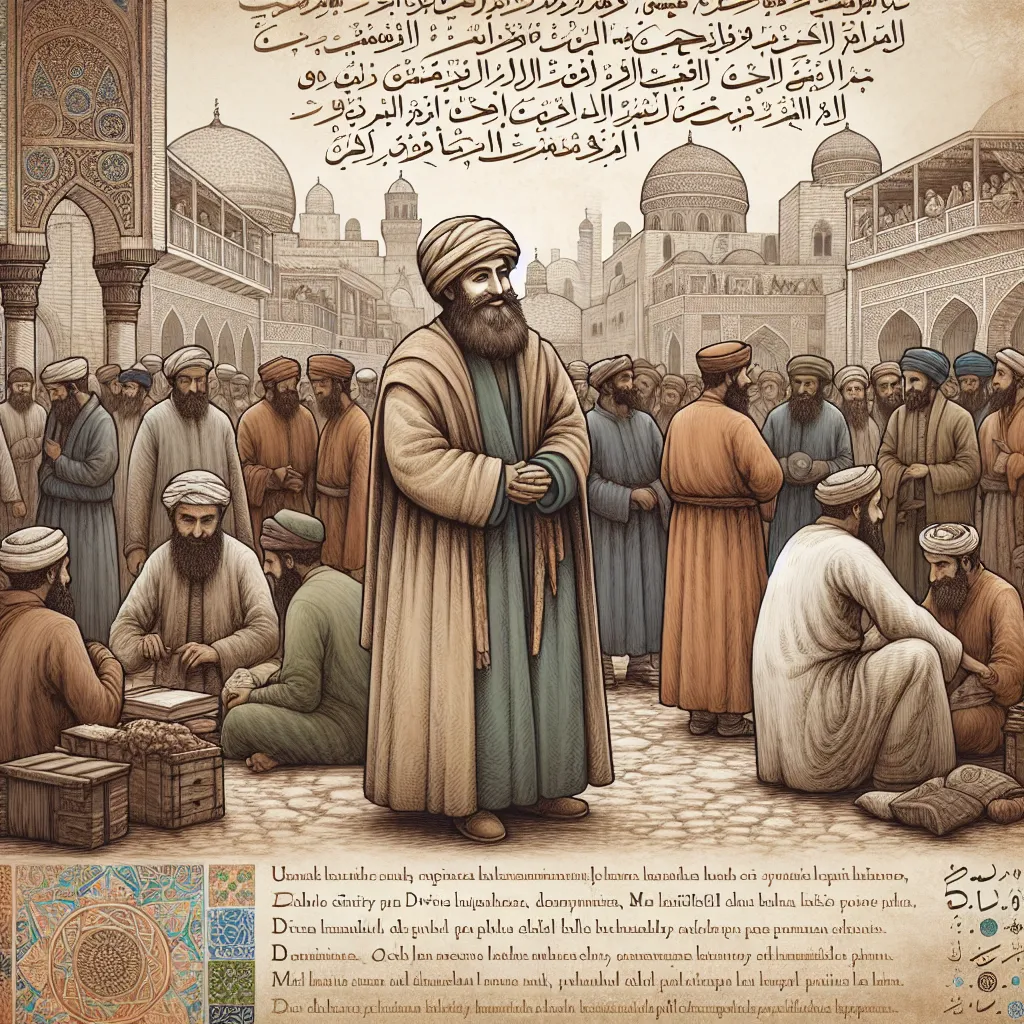
His public performances in markets, often frowned upon by traditional scholars, aimed to spread Sufi teachings among the masses, challenging the hypocrisy of the elite and jurists of his time. Through simple and profound verse, Shushtari’s poetry served as a tool of social and spiritual upliftment, reaching out to the uneducated and the poor.
Today, Shushtari’s poetic legacy thrives in North African Sufi gatherings. His verses continue to resonate, sung in sama (spiritual listening) sessions. The simplicity and beauty of his poetry make his mystical messages timeless, ensuring his mission of popularizing Sufi thought remains alive.
In essence, Shushtari’s life and work symbolize a blend of spiritual quest and social protest, making him a cherished yet understated figure in the annals of Sufi history. His emphasis on humility, poverty, and divine unity invites everyone to a deeper, more personal connection with the spiritual essence of life.