Sikhism is one of the world’s major religions, boasting over 25 million followers globally. The core of the religion is all about learning and seeking the truth. Founded by Guru Nanak Dev Ji in 1469 in North India’s Punjab region, it’s a monotheistic faith putting a big focus on equality, social justice, service, and embracing all religions.
At the heart of Sikhism lies a deep spiritual devotion and love for God, known as Waheguru. Sikhs follow teachings laid out in their holy scripture, the Guru Granth Sahib, which acts as their ultimate spiritual guide. Sikhs aim to embody honesty, compassion, humility, and generosity in their everyday lives.
Sikh men often stand out with their turbans, unshorn hair, and beards, complemented by wearing a KARA (iron bangle) and carrying a kirpan (small sword). Sikh women usually don a chunni, a long scarf over their heads. These aren’t just cultural markers but hold deep religious meanings.
Sikhs have a storied history of courage and service. Back in the 19th century, they were trusted guards for the British in Eastern Asia. During both World Wars, Sikh regiments showed immense bravery, earning numerous Victoria Crosses. Their loyalty and combat skills were highly respected among Allied Forces.
Today, Sikhs can be found all over the world, from India and Canada to the UK, US, Australia, and beyond. They stay deeply connected to their Punjab roots where the religion began. Guru Nanak emphasized the importance of mindfulness of God. He taught that true religion involves meditating on God’s name and reflecting on his presence in daily life. Originally called shishyas, meaning disciples, Sikhs today hold tightly to the teachings in the Guru Granth Sahib, which also include works of Hindu and Muslim saints.
Equality is a cornerstone of Sikhism. It upholds that everyone, regardless of caste, color, gender, nationality, or religion, is equal. Women play significant roles and face no religious restrictions. The Sikh way of life is based on three principles: Nam Japna (always remembering God), Kirat Karni (honest work), and Vand Ke Chakna (sharing and community spirit). They also strive to control desires, anger, greed, attachment, and pride. Sikhism embraces reincarnation, believing it’s a cycle for those who don’t attach themselves to God during their lifetime.
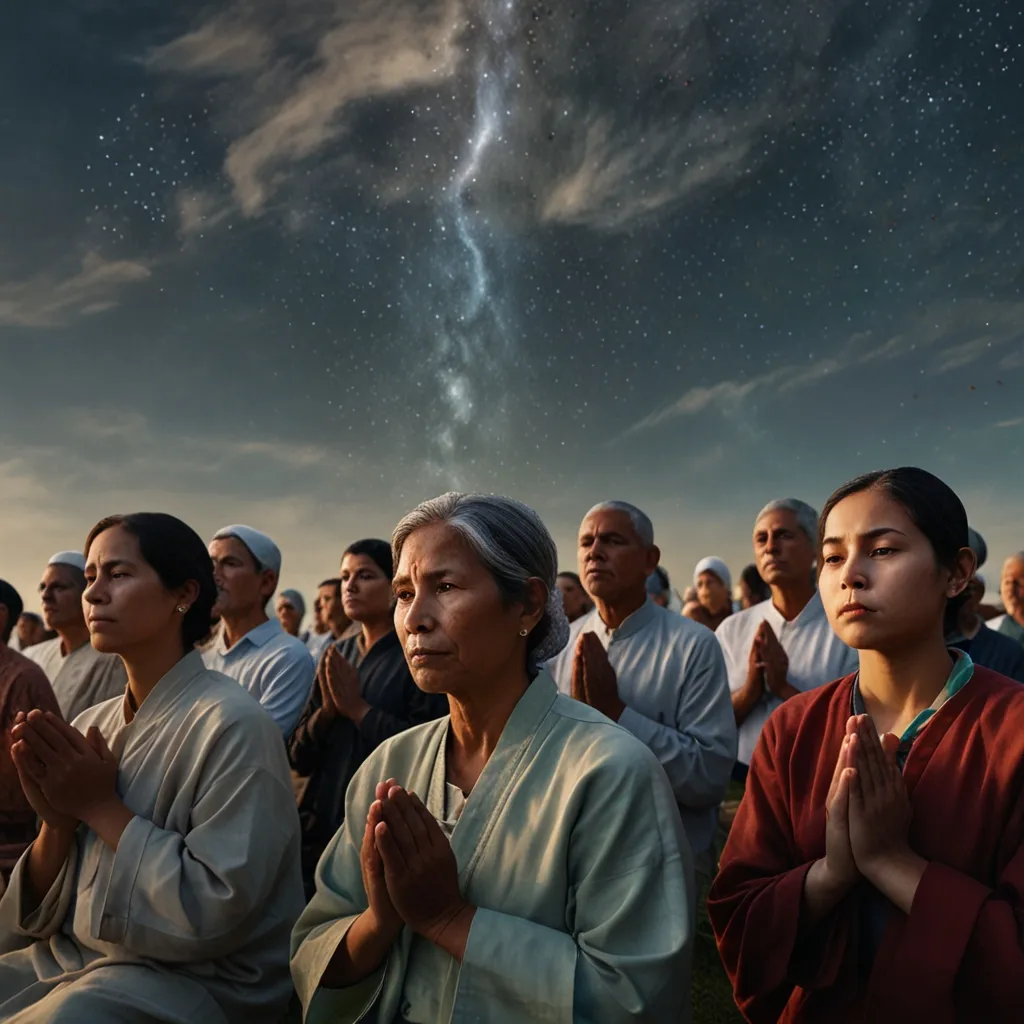
Sikhs greet each other with “Sat Sri Akal,” meaning “God is the Truth,” often with folded hands. In modern settings, they may opt for a handshake, particularly when greeting someone of the opposite sex. The Khalsa, introduced by Guru Gobind Singh in 1699, is a major part of Sikh identity. Khalsa members are known as saint-soldiers and follow five articles of faith: turban, unshorn hair and beard, KARA, kirpan, and kachera (undergarment).
Sikhism is all about striking a balance between spiritual life and worldly responsibilities. It encourages living an engaged life instead of renouncing the world. This practical approach to spirituality and daily living makes Sikhism a unique and continuously growing religion, touching lives across the globe.