Are Electric Cars Finally Ready to Take Over the Roads?
From Steam to Tesla: The Electric Car's Triumphant Return After a Century
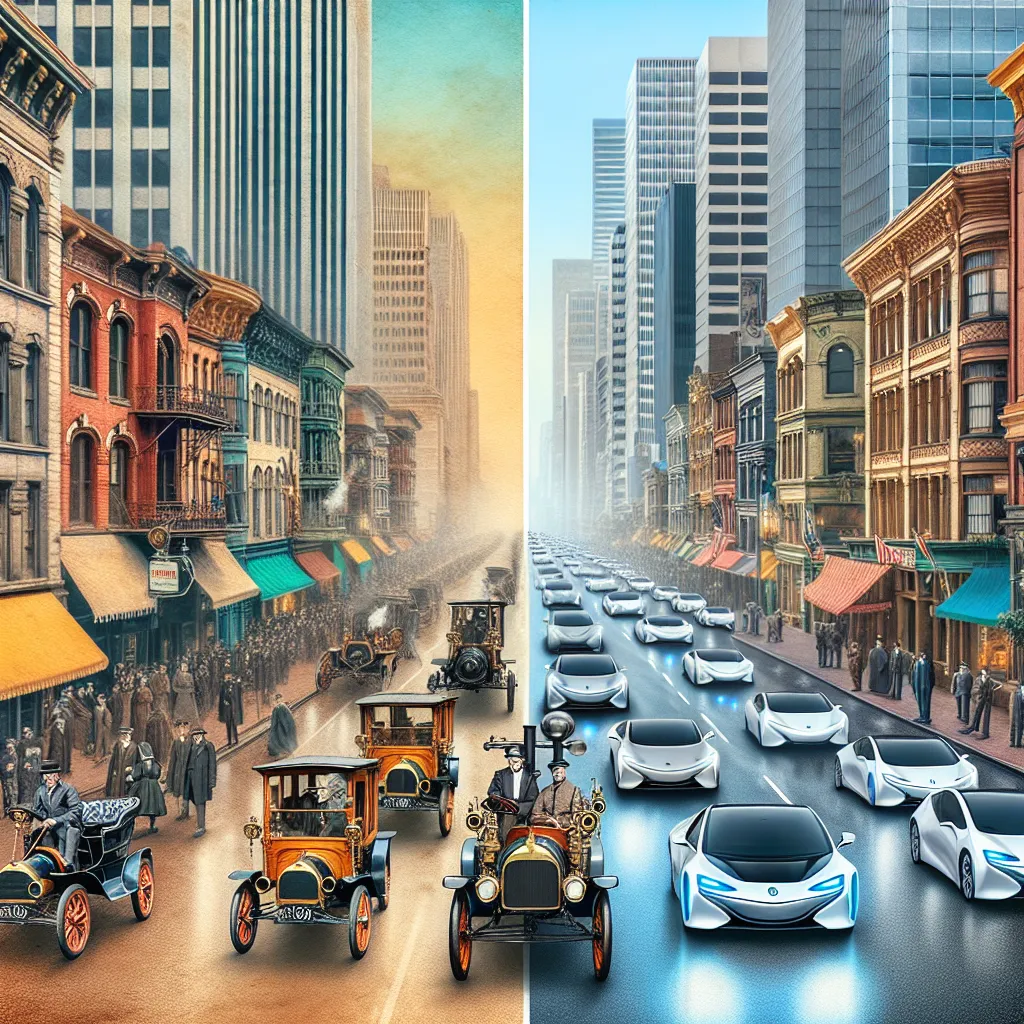
Back in 1899, buying a car came down to three main choices. You could get a steam-powered car, which was great if you didn’t mind carrying extra water and waiting half an hour for the engine to heat up. The second option was a gasoline-powered car, but those required risky hand-cranking to start and spewed loud noises and smelly exhaust. The third and best option was an electric car, which was easy to start, clean, and quiet. By the late 19th century, about 40% of American cars were electric, especially in cities with early electric systems. However, the batteries were pricey and inefficient, and despite efforts by inventors like Thomas Edison to improve them, they just couldn’t support long trips.
Gasoline cars quickly became cheaper and more efficient, with innovations like electric starters and mufflers making them more appealing. Ford’s Model T, released in 1908, was a game-changer. Affordable and high-quality, it took the market by storm. By 1915, electric cars had almost disappeared, and for the next 55 years, internal combustion engines ruled the roads.
Things started to change in the 1970s. Concerns about oil supplies and studies linking car emissions to smog renewed interest in electric vehicles. Yet, car manufacturers had focused on gas engines for so long that they had neglected the old battery problem. Meanwhile, other industries were developing better batteries for portable electronics. By the 1990s, nickel metal hydride and lithium-ion batteries became available, sparking a renewed interest in electric cars, along with hybrids.
Hybrids, though not true electric vehicles, used their batteries to boost the efficiency of gasoline engines. But in 2008, Tesla Motors made waves with its fully electric Roadster, powered by lithium-ion batteries. This car could travel over 320 kilometers on a single charge, almost doubling the previous record. Since then, electric vehicles have made significant strides in cost, performance, efficiency, and availability. They can even accelerate faster than gas-powered sports cars and save drivers money in the long run.
Governments worldwide are now promoting electric cars to combat climate change. For example, 75% of car sales in Norway in 2020 were plug-in electric vehicles. Policies like California’s Zero Emission Vehicle mandate and Europe’s CO2 emission standards have slowed down investments in gas-powered cars. It’s clear that electric cars are set to reclaim their place on the road, leaving gasoline behind for good.