Could Our Lives Be a Cosmic DVD Where Free Will Is Just an Illusion?
Our Lives as Cosmic Movies: Experiencing Unchangeable Reality While Enjoying Each Scene
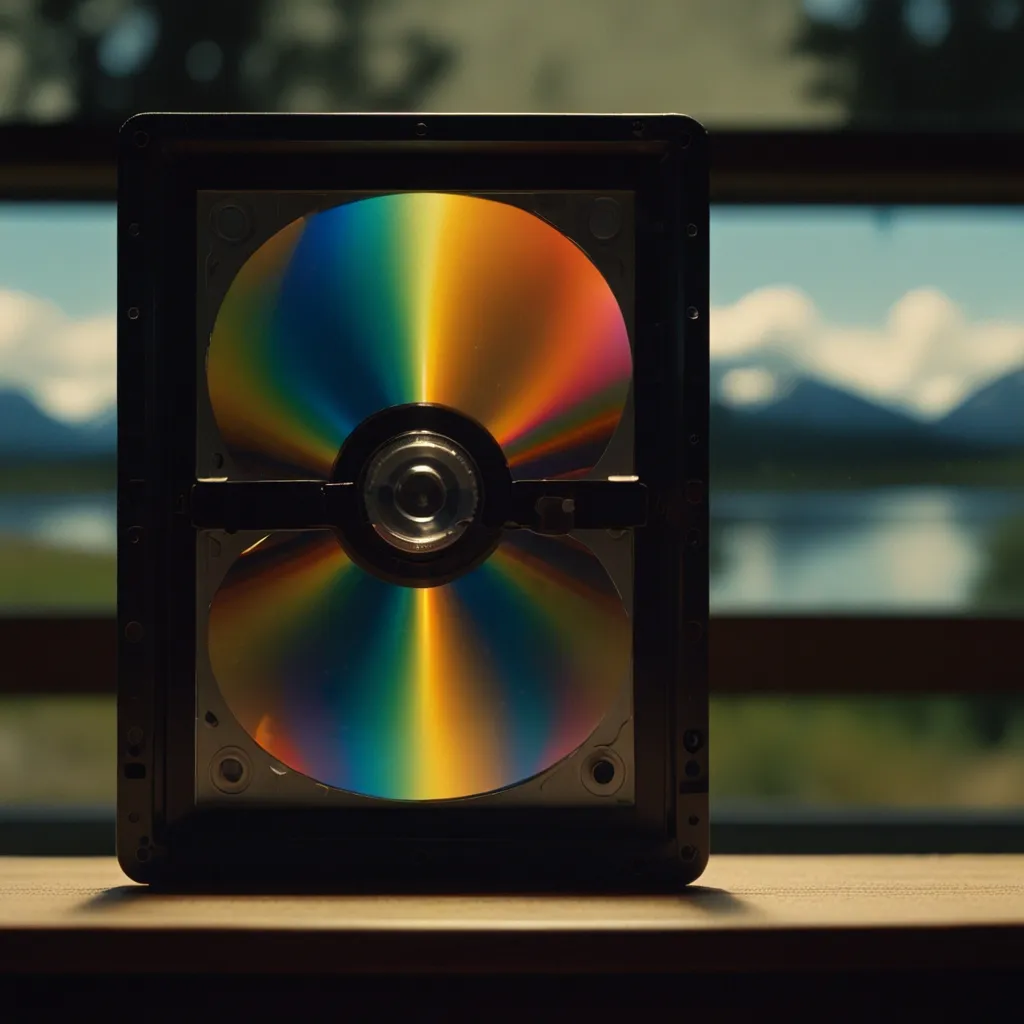
Imagine watching a video—your brain cells are buzzing with anticipation, the story is progressing second by second. But what if I told you that nothing new is happening? The video, already uploaded, simply unfolds one moment at a time. Now, picture your life as this video, like a DVD without a forward or rewind button. You live it one moment at a time, but its plot is set in stone.
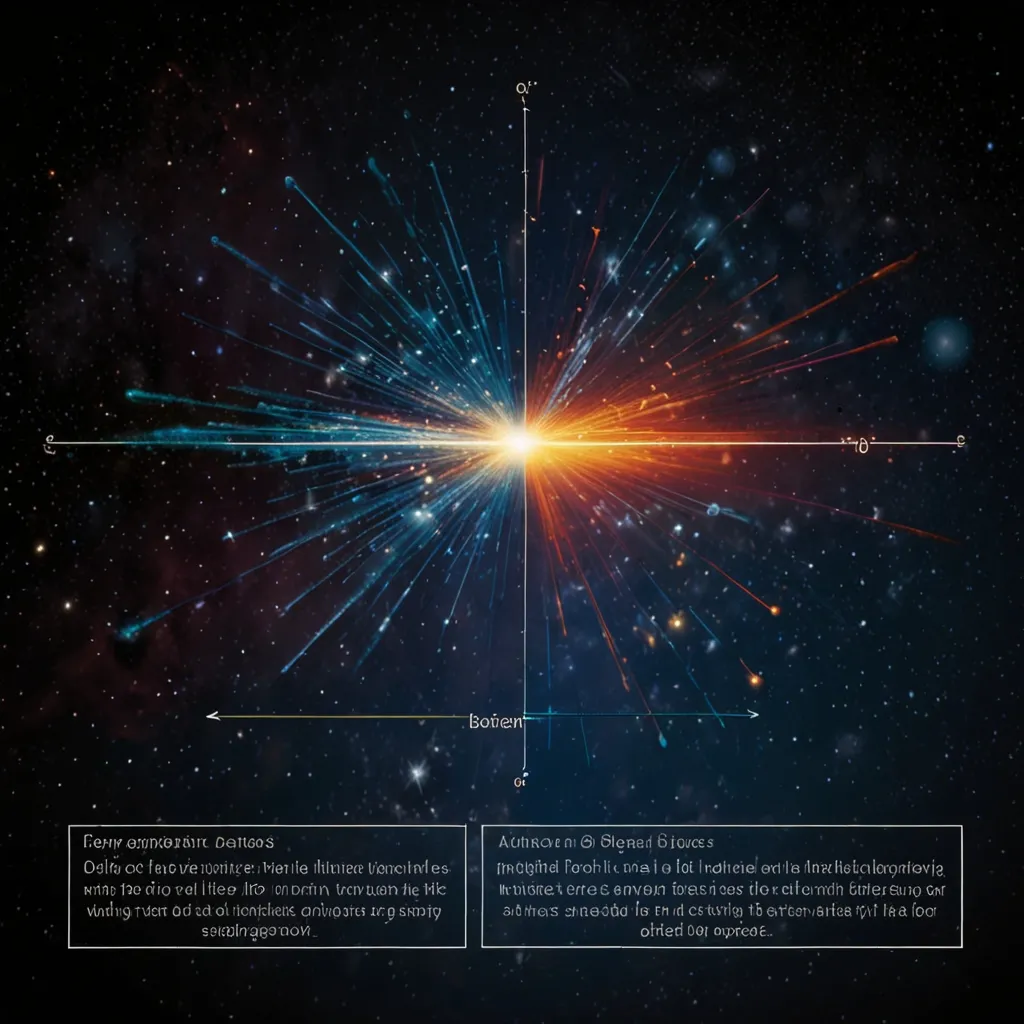
This might seem like science fiction, but there’s solid evidence this could be the nature of our reality. Einstein’s theory of relativity hints at a “block universe”—a four-dimensional space-time structure where past, present, and future all exist simultaneously. Everything happening now, 10 minutes from now, or 10 minutes ago is equally real, much like various scenes on a DVD.
MIT physicist Max Tegmark describes two ways to view the universe: as a place where events occur in three-dimensional space or as a static, four-dimensional block where nothing changes. In this block universe, change is an illusion, as the past, present, and future already exist.
Julian Barbour, a British physicist, offers a fascinating perspective. He suggests that while change is real, time is not. He describes reality as a series of snapshots, and time only seems to exist because changes occur. Physics doesn’t dictate whether time flows forward or backward—it is “time-agnostic.”
One reason time appears to move forward is the law of entropy, which always increases. Entropy measures the disorder in the universe, and things tend to get messier over time. For example, you can scramble an egg but can’t unscramble it. This increasing entropy is tied to the flow of time. According to Alan Guth from MIT, consciousness can only exist in a universe where entropy—and thus information—increases. So, in our universe, time moves forward because entropy does, allowing complex molecules and intelligent beings like us to evolve.
Quantum mechanics doesn’t contradict the idea of a block universe either, viewing time and space as the canvas for existence. But even if this concept aligns with both relativity and quantum mechanics, it remains unproven. If our universe is like a DVD, this suggests the future is as predetermined as the past, implying no free will—a concept backed by the theory of super determinism.
The jury is still out. While some physicists argue time isn’t fundamentally real, others believe it’s essential for constructing reality. If time doesn’t truly flow, the block universe theory stands, making our lives like movies on a cosmic DVD. We might not have much control over the storyline, but it’s our unique narrative, and it’s worth finding joy in every moment we experience.
So, as we muse over these profound ideas, let’s appreciate our movie—fixed in time as it may be. Because even if we can’t change the script, we can certainly savor each scene.