How Did a Missing British Parrot Return Speaking Spanish?
Parrots: The Unlikely Linguists with a Flair for Drama and Danger
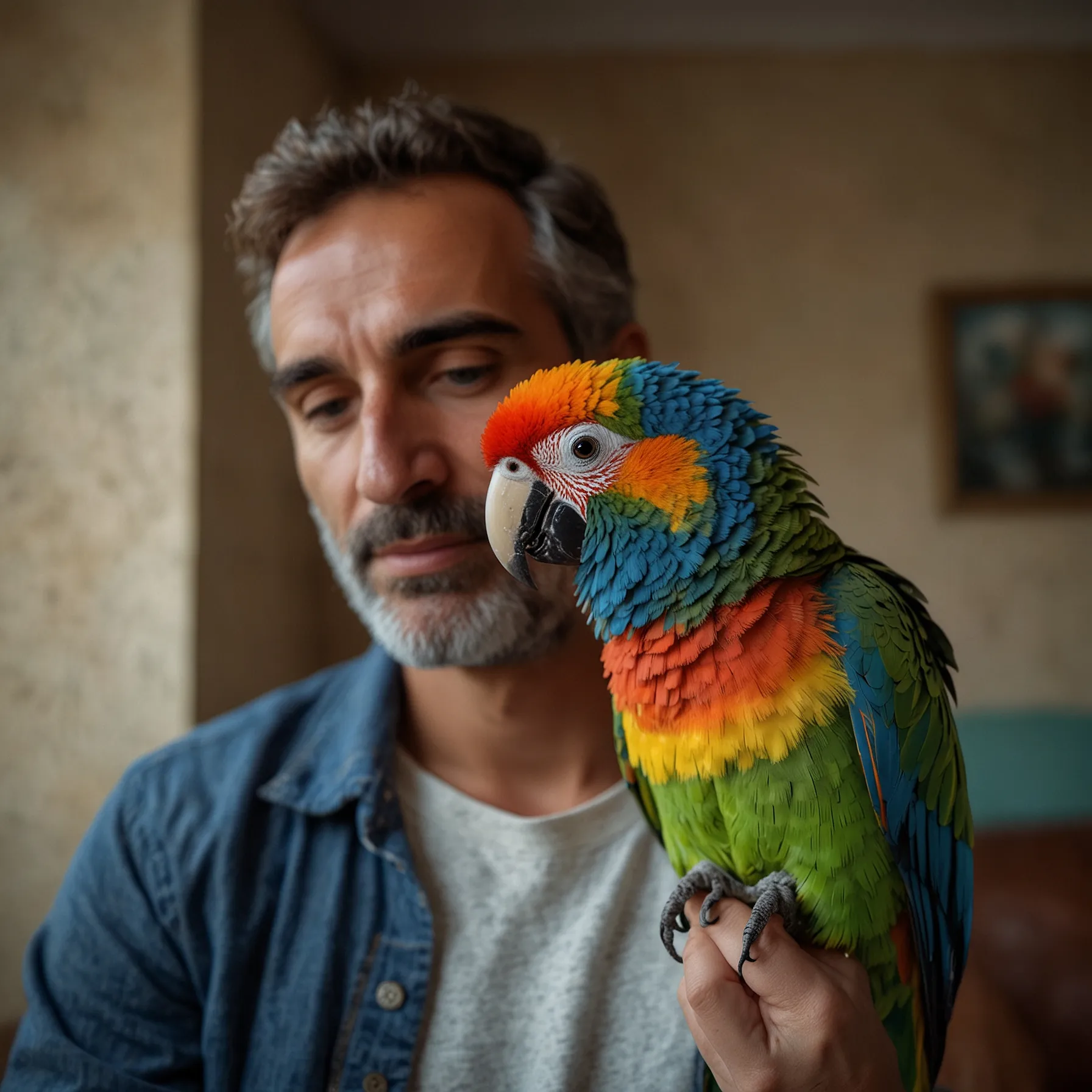
Back in 2010, a British-accented parrot went missing and was reunited with its owner four years later. To everyone’s surprise, the parrot had ditched its British accent and was now fluent in Spanish. This got people wondering, how do parrots do this? Turns out, parrots, along with a few other birds, can produce human speech, and some do it really well.
Wild parrots are very social creatures, using calls to mate, claim territory, and coordinate with their flock. These calls are essential because the flocks are often breaking apart and coming back together. This means individual parrots have to communicate with many others. For instance, Monk parakeets live in large colonies and have unique calls to identify themselves. On the other hand, Yellow-naped Amazon parrots forage in smaller groups and share similar calls. This knack for sophisticated mimicry helps parrots imitate various sounds, including human speech.
People use their larynx to speak, but parrots use their syrinx, located at the base of their windpipe. While many birds have two vibrating membranes here, parrots have just one, like us. As sounds leave their airway, parrots shape them using their tongues and beaks. Their flexible tongues and jaw joints allow them to control the sounds they produce, letting them bark, scream, and even recite phrases.
Parrot brains also play a crucial role. They have interconnected regions that help them hear, remember, modify, and produce complex sounds. While songbirds have one song system, parrots have an additional circuit, giving them extra flexibility in learning both their own calls and human speech.
Some parrots have used their skills in remarkable ways. One parrot even managed to find its way back home by repeating its full name and address to helpful strangers. This raises an interesting question: do parrots understand what they’re saying?
When most captive parrots talk, they’re likely trying to bond socially since they don’t have their own species around. They may associate certain words with specific responses, which explains why some parrots can curse like sailors. After training, some parrots can use words in the right context, asking for treats, or even counting objects. Alex, an African grey parrot, went a step further by asking about his own color, posing an existential question.
Parrots have fascinated humans for ages, whether they’re singing, dancing, or talking back. But this fascination has also put them at risk. They’re hunted by poachers and pet traders, and their habitats are being destroyed. If we want to understand parrots better, we need to make efforts to preserve their natural environments and study them in the wild.