What Did Al Capone Teach Us About the Dark Art of Money Laundering?
When Al Capone’s Hidden Fortune Ignited a Global Crackdown on Money Laundering
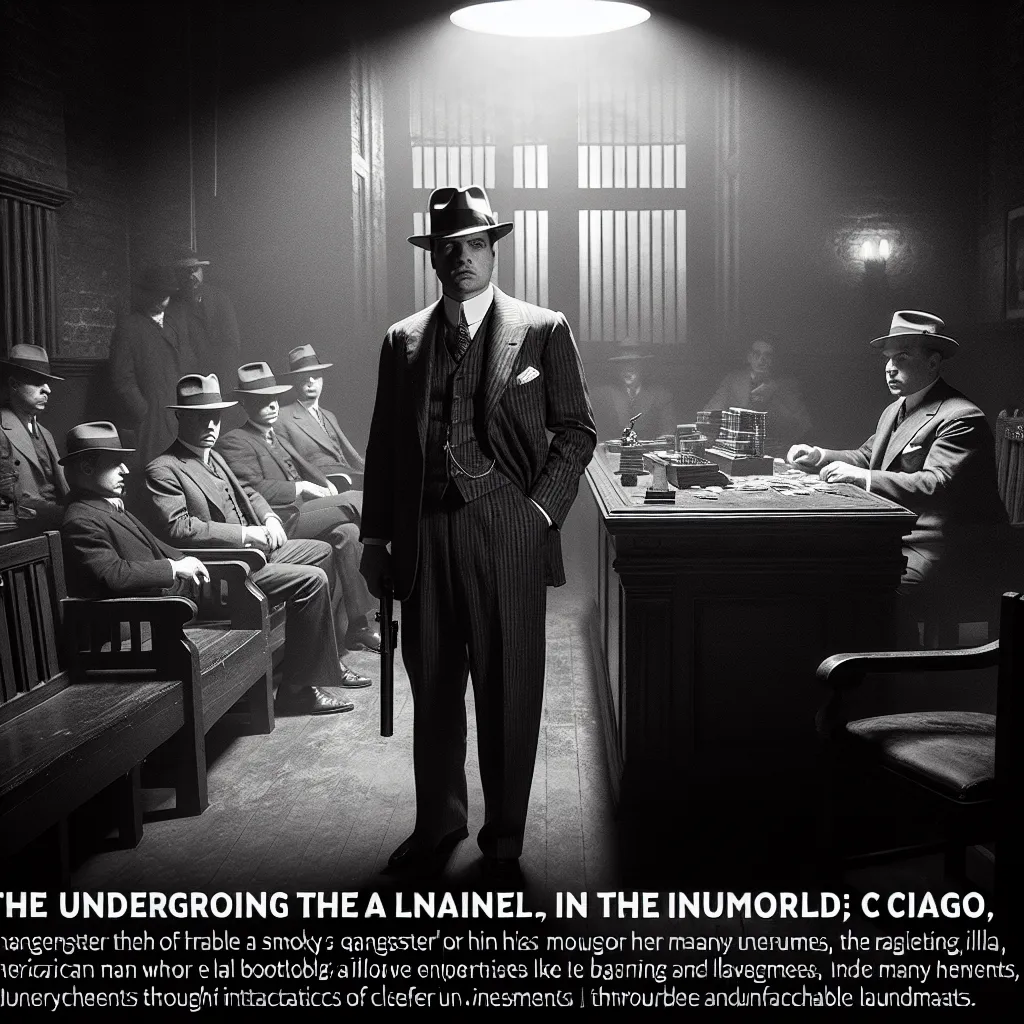
Al Capone, one of history’s most infamous gangsters, ran a sprawling crime empire. It’s wild that with all his illegal activities like gambling, bootlegging, and extortion, the only thing they nailed him for was tax evasion. They couldn’t find the nearly $100 million a year he made, which would be around $1.4 billion today. Capone and his cronies had cleverly hidden the money through investments in various businesses. Think about those cash-only laundromats; they were untraceable and became part of why we call the crime “money laundering.”
Money laundering is all about cleaning dirty money from its criminal origins so it can be used legally. Capone wasn’t the first to do it, though. This sneaky practice has been around as long as money itself. From merchants dodging taxes to pirates offloading their loot, laundering money is an age-old trick.
With virtual currencies, offshore banking, and global markets, modern schemes have become really sophisticated. Yet, most methods still follow three basic steps: placement, layering, and integration. Placement is when criminals slip their illicit money into the financial system, often using banks connected to anonymous corporations. This step is super risky because it involves suddenly showing off a lot of cash.
Layering makes the money harder to trace by moving it around through various accounts or buying expensive stuff like cars, art, and property. Casinos, where money constantly changes hands, are popular for this. Integration is where the clean money re-emerges to benefit the criminal, such as through fake businesses or bogus charities.
Money laundering wasn’t recognized as a federal crime in the U.S. until 1986. Before that, they needed another crime like tax evasion to prosecute someone. After 1986, they could nab criminals just for hiding their money. This change helped take down big criminal operations, especially drug traffickers. But it also raised concerns about privacy and government surveillance.
Nowadays, the United Nations, various governments, and nonprofits are in the fight against money laundering. Yet, it remains a significant part of global crime. High-profile cases often involve significant financial institutions and government officials, not just lone criminals. Estimates suggest hundreds of billions of dollars are laundered yearly.