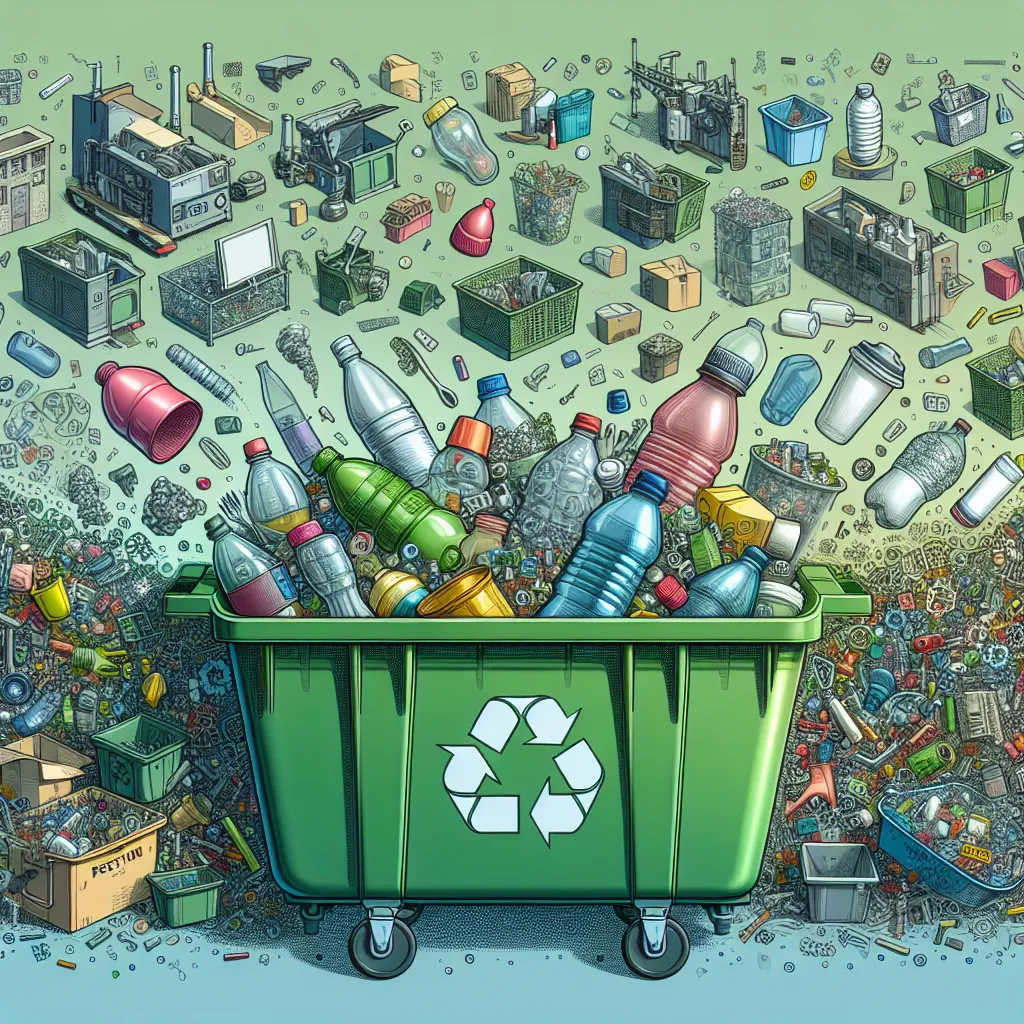
Ever looked at the bottom of a disposable bottle or cup and seen that recycling symbol? You might think it means the item should go in the recycling bin. But, fun fact, many of these plastics can’t actually be recycled at most centers. Out of the 360 million tons of plastic produced each year worldwide, only 9% gets recycled.
So, why aren’t more plastics recycled? It starts with the way they’re made. About 18% of plastics are thermosetting polymers. This means they become stable through a process called curing, which makes the material harden. These properties make them tough and durable but also non-recyclable. Most plastics are thermoplastics and can be melted and remolded. But the catch is, not all thermoplastics get accepted at recycling centers due to their various chemical structures and properties.
The confusing part is the code system. Introduced by the plastics industry in 1988, these numbers help sort trash by indicating the material, or resin, the plastic is made of. Some resins are recyclable at most centers, but many aren’t. Astonishingly, all numbers, even the non-recyclable ones, are surrounded by the recycling symbol, misleading consumers.
Moreover, even if a technically recyclable resin hits the bin, it doesn’t guarantee a trip to the recycling plant. Plastics mixed with different resins, dyes, additives, or hard-to-remove labels often end up being incinerated or tossed into the trash. Companies generally don’t design packaging with recyclability in mind. Plus, plastic resins degrade after a few recycling cycles, limiting their reuse.
Feeling disillusioned about plastic recycling isn’t uncommon. The plastics industry was aware of these challenges as early as the 1970s. Despite doubts about the economic viability of wide-scale recycling, they invested in ad campaigns and lobbied state governments to adopt laws mandating resin codes. This moved the burden to fix the plastic waste problem onto consumers.
Today, the situation is bleaker. The rising costs of separating waste and fewer international buyers for recyclable scraps have led many cities to shut down curbside recycling programs.
So, how do we tackle our plastic waste issue? Reducing plastic consumption is key. Over a quarter of plastic waste comes from packaging. Thankfully, some manufacturers are stepping up by phasing out unnecessary plastic and opting for recyclable or compostable materials.
Another idea is creating a circular economy for plastics. Instead of making new plastics, we should focus on reusing what we have and eliminating single-use plastics. Policies must regulate plastic production to ensure recyclability. Many experts also advocate for ditching the current resin code system in favor of simpler labels that clearly indicate what’s recyclable. This would help consumers make better choices, ultimately putting pressure back on manufacturers to ensure a sustainable future.