science

What Sparked the Invention of the Stethoscope in a Paris Park?

Echoes of Innovation: How Childhood Play Led to the Invention of the Stethoscope
What Sparked the Invention of the Stethoscope in a Paris Park?

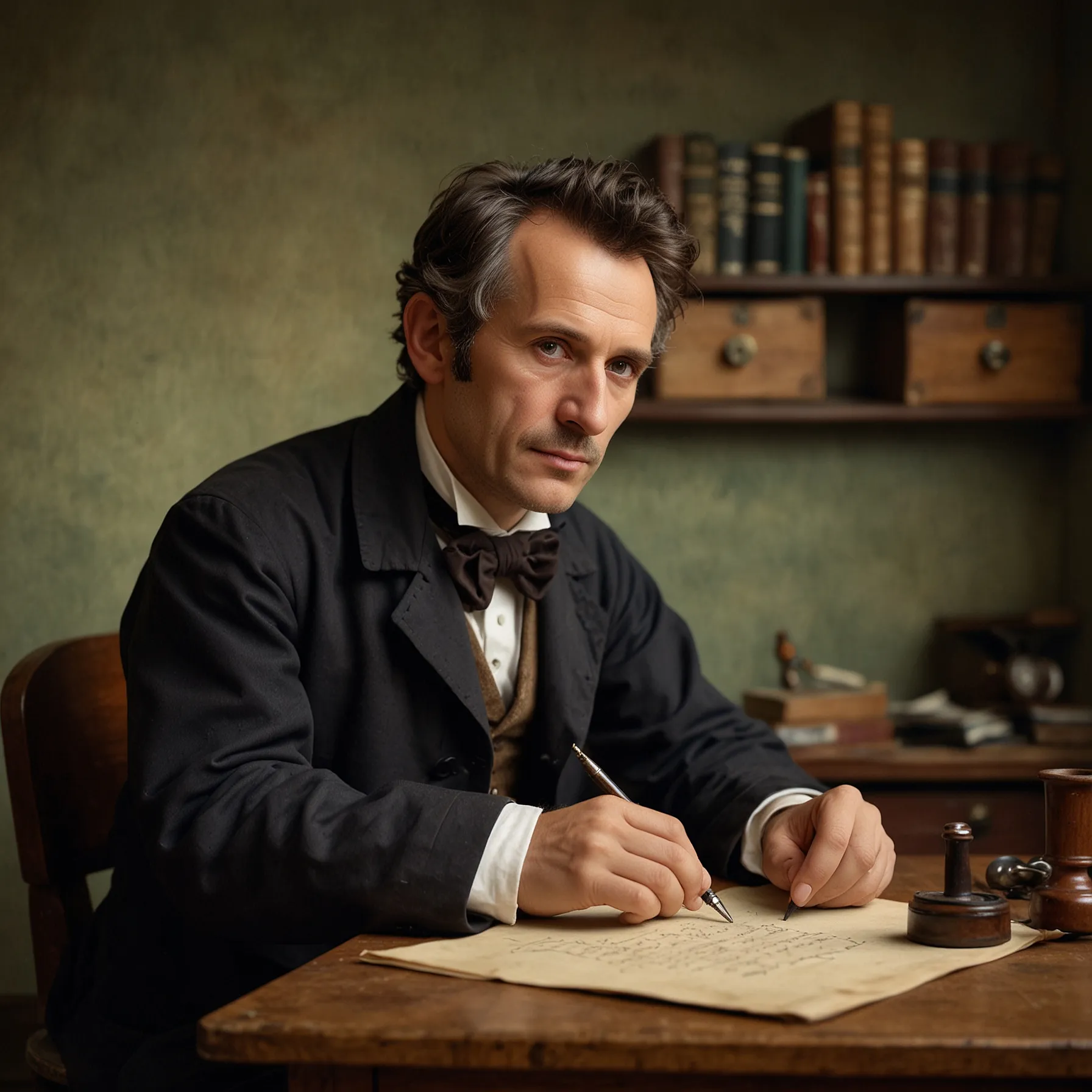
In 1816, René Laennec, a 35-year-old doctor, was strolling through Paris when something caught his eye. He noticed two children playing with a piece of wooden board. One child held the board to her ear while the other scratched the opposite end. The sound traveled clearly down the wood, amplifying it.

Laennec was soon called to examine a young woman with a heart condition. The patient’s well-developed physique made him uncomfortable with the idea of pressing his ear directly against her chest. Suddenly, he remembered the children and their wooden board. In a moment of inspiration, he tightly rolled a sheet of paper, placing one end to his ear and the other over the woman’s chest. The sound was astonishingly clear.

For the next three years, Laennec experimented with various materials and designs. Eventually, he created a hollow wooden tube with a detachable plug. This device was the precursor to the modern stethoscope made of metal, plastic, and rubber, which we still use today.



Similar Posts
Blog Image
Is the James Webb Space Telescope About to Unlock the Universe's Biggest Secrets?

Dancing with Stars: The James Webb Space Telescope’s Journey to the Edge of the Cosmos

Blog Image
Are We Just Cosmic Dust or The Universe's Greatest Marvel?

A Cosmic Tale of Improbability and Humility

Blog Image
Oral Insulin Delivery: A Needle-Free Future for Diabetes Treatment

Needle-free diabetes treatments emerge with oral insulin drops and nano-scale materials. These innovations promise easier management, reduced anxiety, and improved health outcomes for millions living with diabetes. A game-changing revolution is on the horizon.

Blog Image
Could Mercury's Cold Secret Revolutionize Our Future?

Unlocking a Super-Cold Mystery: From Liquid Helium to Today's Maglev Marvels

Blog Image
What's Really Hiding in the Emptiness of Space?

The Myth of Empty Space: Even Nothing is Something

Blog Image
Brazzein: A Zero-Calorie Sweetener That Could Revolutionize the Food Industry

Brazzein, a protein-based sweetener from West Africa, offers natural sweetness without calories. It's heat-resistant, diabetes-friendly, and 500-2000 times sweeter than sugar. Scientists are bioengineering it for wider availability, promising guilt-free indulgence in foods and drinks.