Why Do We Crave That Forbidden Love?
When Forbidden Love Meets Social Approval – The Complex Dance of Relationships and Reactance Theory
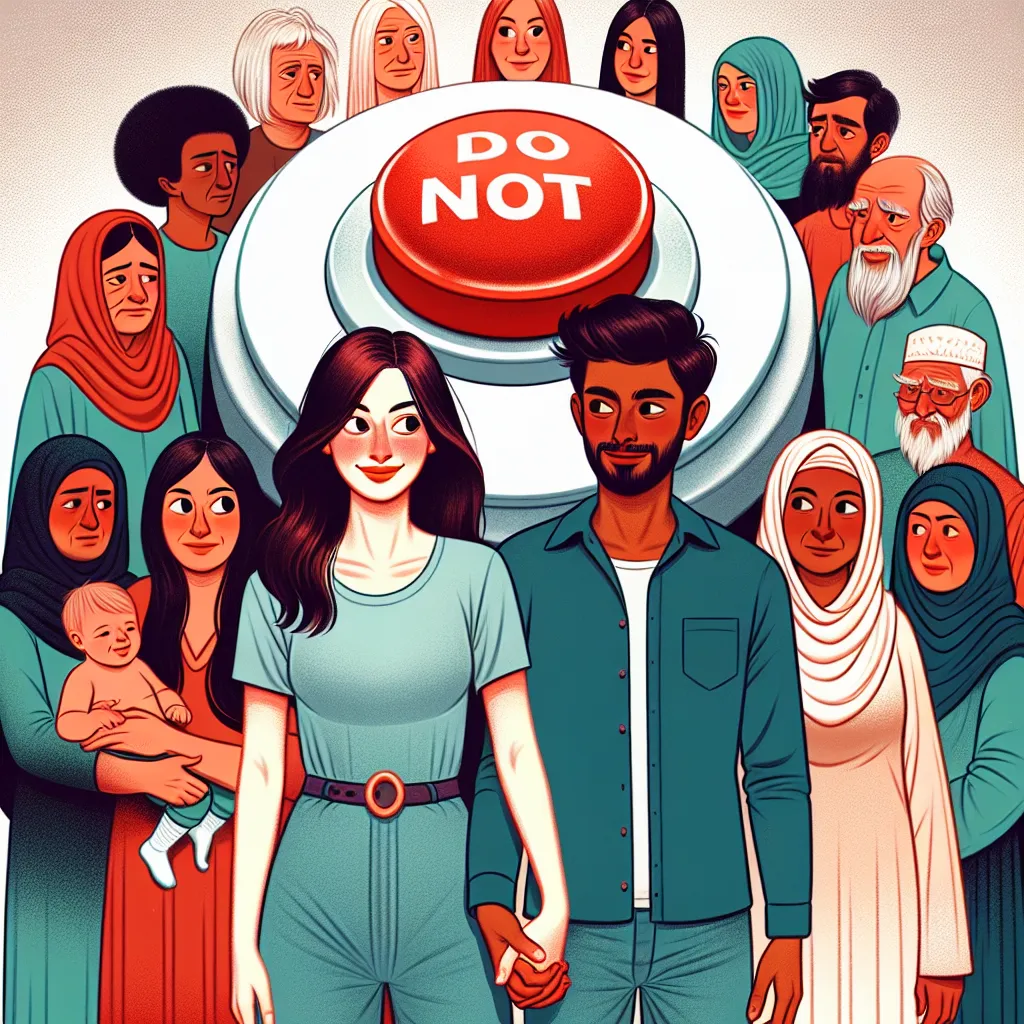
If someone put a big red button in front of you and told you not to press it, would you resist? For many, this warning only intensifies the temptation. Why do we often crave what’s forbidden?
Psychologists call this reactance theory. Reactance is that strong urge to reclaim our freedom when it feels threatened. When told “no,” some get frustrated, argue, or just do the exact opposite of what they were told. This visible in everyday life—from ignoring health warnings we find annoying to kids defying parents’ rules.
Interestingly, not all forbidden things become irresistible. In 1972, psychologists at the University of Colorado explored if parents’ disapproval strengthens or weakens romantic relationships. They assessed 140 couples over six months. Couples who sensed parental opposition reported growing closer. They dubbed this the “Romeo and Juliet Effect,” suggesting reactance was driving their love to flourish.
Since then, new studies argue against this effect. Most findings reveal that romantic relationships fare better with friends’ and family’s approval. Known as the Social Network Effect, this trend shows that perceived support predicts long-term relationship success.
Why doesn’t reactance overpower the Social Network Effect? It could be because we value our current relationships more than potential ones. Friends and family disapproval doesn’t usually lead to dramatic ultimatums; it’s more about expressing concerns or withholding support. Those with good parental relationships feel free to ignore parents’ advice, while those with poor parental ties often don’t care about their opinions.
If disapproved relationships often fail, does this mean we won’t fight for our choice in partners? It might depend on the individual. There are theories suggesting two types of reactance: defiant and independent. A defiant person will do the opposite of what’s told, like shouting when asked to lower their voice. An independent person chooses what they believe is right, ignoring the request.
In the context of relationships, a defiant person might secretly pursue a romance, yet still feel the group’s disapproval. Conversely, an independent person might disregard friends’ concerns and continue loving who they want.
Researchers are still exploring defiant and independent reactance theories. These ideas highlight the push and pull between wanting independence and the need for social acceptance. Everyone balances these desires differently, but our social networks are crucial to our identity and well-being. Studies show that support from close friends can counter others’ disapproval, leading to stronger relationships.
While it might not match the drama of forbidden love, having a supportive network beats a doomed affair. Just like Romeo and Juliet, who couldn’t survive extreme disapproval, most relationships thrive better with social support.