Are You Ready for the Economic Rollercoaster Ride? Discover the Secret to Surviving a Recession!
Riding the Financial Rollercoaster: How Recessions Flip Our Economic World Upside Down
A recession’s like that nosedive moment on a rollercoaster – only it’s the economy that’s taking the plunge. During a recession, companies start making less money, folks lose their jobs, and the nation’s overall hustle slows down. It’s not just a blip; it can drag on for months or even years, shaking up lives big time.
Picture this: in good times, businesses are popping up everywhere, jobs are plenty, and paychecks get fatter. But when a recession hits, it’s like hitting reverse – companies shut down, jobs vanish, and wages take a hit. Recessions aren’t exactly scheduled events, but they’re not rare either. America’s been through several, with the latest one in 2020, thanks to COVID-19.
So, what actually goes down during a recession? Everything from the country’s output to consumer spending takes a dive. Central banks often cut interest rates to give the economy a boost. Government deficits grow as tax revenues drop while spending on things like unemployment benefits goes up. It’s a domino effect – less spending means more layoffs, which in turn means even less spending.
These economic slumps pack a punch, especially for younger workers. Job hunting becomes a nightmare, and student loans start feeling like a giant weight around the neck. The 2007-2009 recession, for example, saw folks losing not just jobs but also their health insurance, retirement savings, and sense of financial security.
But not everyone takes the hit equally. Some businesses, like car repair shops or hair salons, keep chugging along because people still need their services, recession or not. These are often dubbed “recession-proof.”
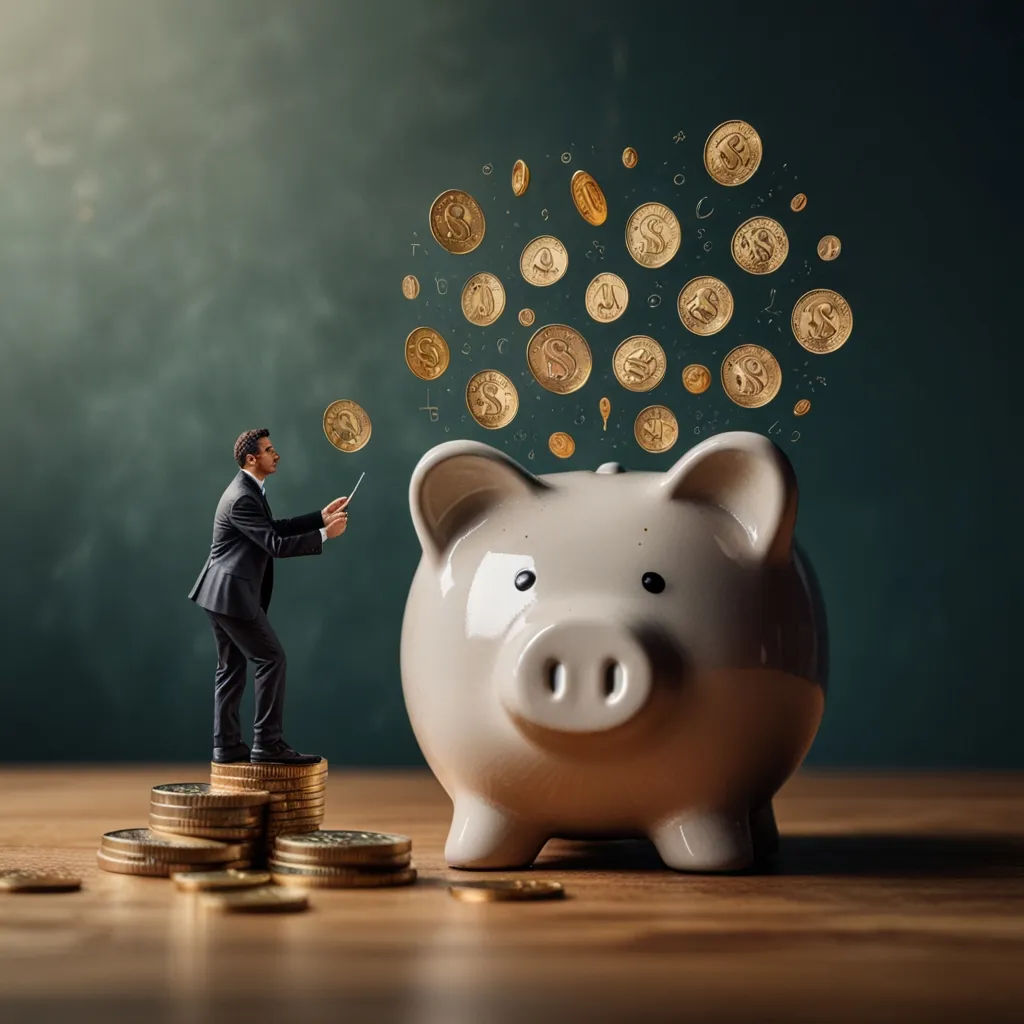
The key to weathering a recession? Preparation. Stashing away some extra savings can be a lifesaver if you find yourself jobless. Continuing education, networking, and staying sharp on industry trends can keep you in the game. And knocking down some student debt now could give you breathing room if you have to take a lower-paying gig down the line.
Knowing recessions are just part of the economic cycle can help with planning. No one has a crystal ball to predict exactly when the next one will hit, but having a solid plan can make riding out the storm a little smoother. Recessions might feel like a massive hurdle, but they can be learning experiences that prep you for whatever the future throws your way.
In short, a recession means rough times for the economy and everyday life – job cuts, lower spending, and less production. But with a bit of foresight and some savvy prep, you can navigate these downturns far more smoothly.