Can a Prancing Horse Change the World? Dive Into Ferrari's Journey!
From Modena Dreams to Global Icons: The Ferrari Saga
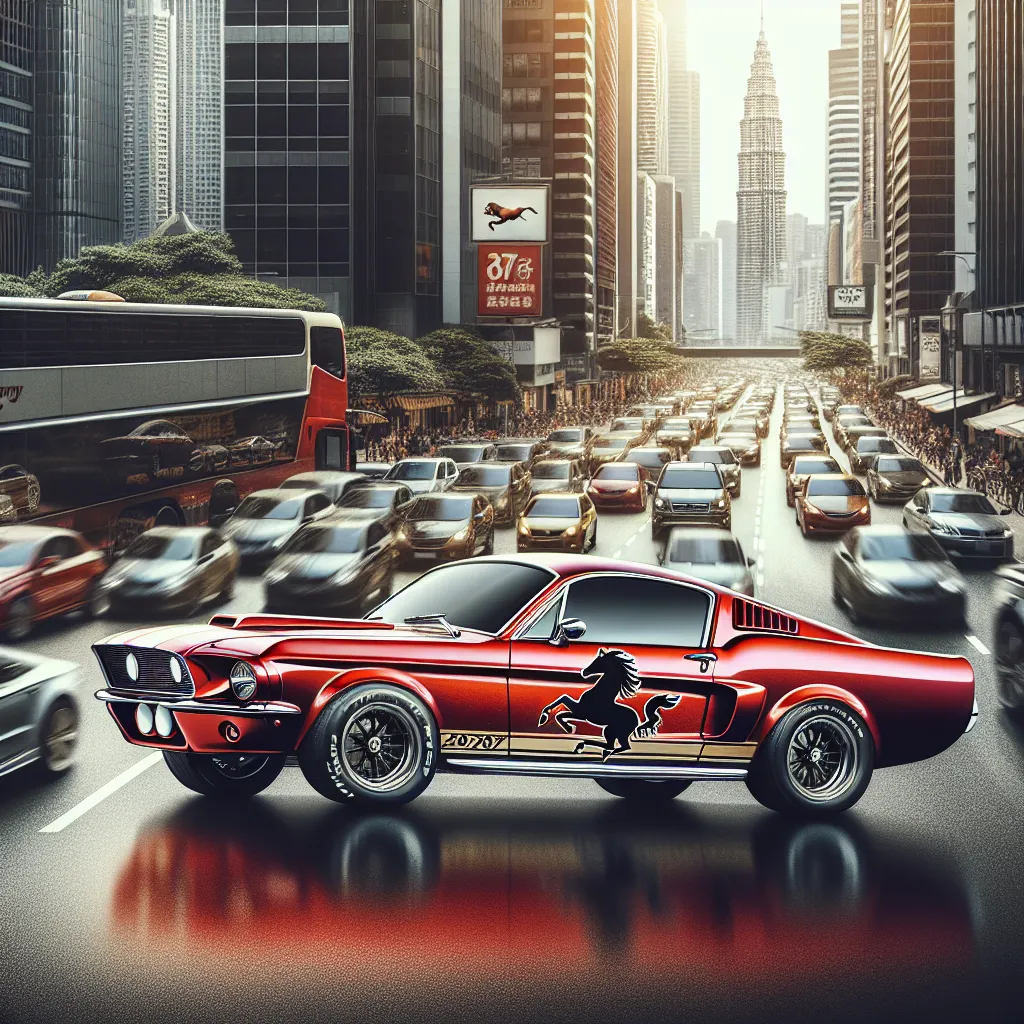
Cars are everywhere in big cities. They’ve become so vital to our daily lives that imagining a world without them seems impossible, especially for those long commutes. The variety of cars is staggering, but broadly, they can be divided into two categories: regular cars and sportscars. Sportscars, well, they belong in a league of their own.
The world of sportscars might seem distant to most people. It’s typically a domain reserved for enthusiasts who can rattle off model specifications like Bible verses. But even if you’re not a sportscar maniac, their history is fascinating. Let’s dive into the story of Italy’s premier sportscar manufacturer, Ferrari.
Back in the early 20th century, cars were still a new invention. Urban areas had basic infrastructure, but cars were rare sights in rural places like northern Italy. The Italian automobile industry was mostly small local manufacturers. One such workshop was run by Alfredo Ferrari on the outskirts of Modena in the Emilia-Romagna region. As a metalworker who also repaired cars, Alfredo often had his young son, Enzo, help out. Enzo’s dream was to become a race car driver, but World War I interrupted his plans. His father and older brother died in 1916 during an influenza epidemic, which led to the closure of their family business.
Enzo was drafted as a military blacksmith during WWI but was discharged due to poor health. He ended up driving ex-military chassis and met engineers and former race car drivers who helped him start his racing career. Enzo’s first race was in 1919, and by 1920, he was driving for Alfa Romeo. His big win came in 1923 at the Circuito del Savio. Impressed by his performance, Count Enrico Baracca gave Enzo the emblem from his son, Italy’s top WWI fighter ace, Francesco Baracca—the prancing horse.
Enzo’s talent led to numerous victories and in 1929, he founded Scuderia Ferrari which became Alfa Romeo’s racing team for ten years. The cavallino rampante, the prancing horse logo, became Ferrari’s emblem. Over the years, Enzo attracted top drivers and won significant races like the Targa Florio and the Le Mans 24 Hours.
Ferrari faced challenges, including a fallout with Alfa Romeo and the impact of WWII which saw his factory bombed. But Enzo rebuilt it by 1946, and in 1947, he unveiled the Ferrari 125 S, the first car to bear the Ferrari name. The V12 engine, first used in the 125 S, became a hallmark of Ferrari’s engineering excellence. The Ferrari 166 was their first big international hit.
Throughout the 1950s and ’60s, Ferrari solidified its position in racing, with wins in Formula One and the creation of iconic models like the 250 GTO. The 1960s were turbulent with internal conflicts but also hugely successful, culminating in the creation of the legendary 250 GTO. Despite these challenges, Ferrari thrived and continued to innovate.
The 1970s saw the launch of the Dino brand, named after Enzo’s late son, to produce more affordable sportscars. In the 1980s, Ferrari produced the Testarossa, which became a cultural icon, notably featured in Miami Vice.
The 1990s marked a revival for Ferrari in Formula One, culminating in Michael Schumacher’s acquisition, who led the team to multiple world championships. The 2000s continued this success with high-performance models like the Enzo Ferrari.
Today, Ferrari remains a symbol of luxury and performance. Despite going public in 2016, the brand maintains its exclusive allure. Ferrari readies itself for future milestones, including special editions for their 70th anniversary, ensuring the prancing horse continues to captivate and inspire.
Thanks for joining me on this journey through Ferrari’s storied history. Keep an eye out for more intriguing tales from the world of business and innovation. Stay curious and keep exploring.