Are You Spending Smartly with the Right Card? Discover the Secret Differences!
Navigating Plastic Choices: Balancing Debt-Free Living with Reward-Fueled Spending
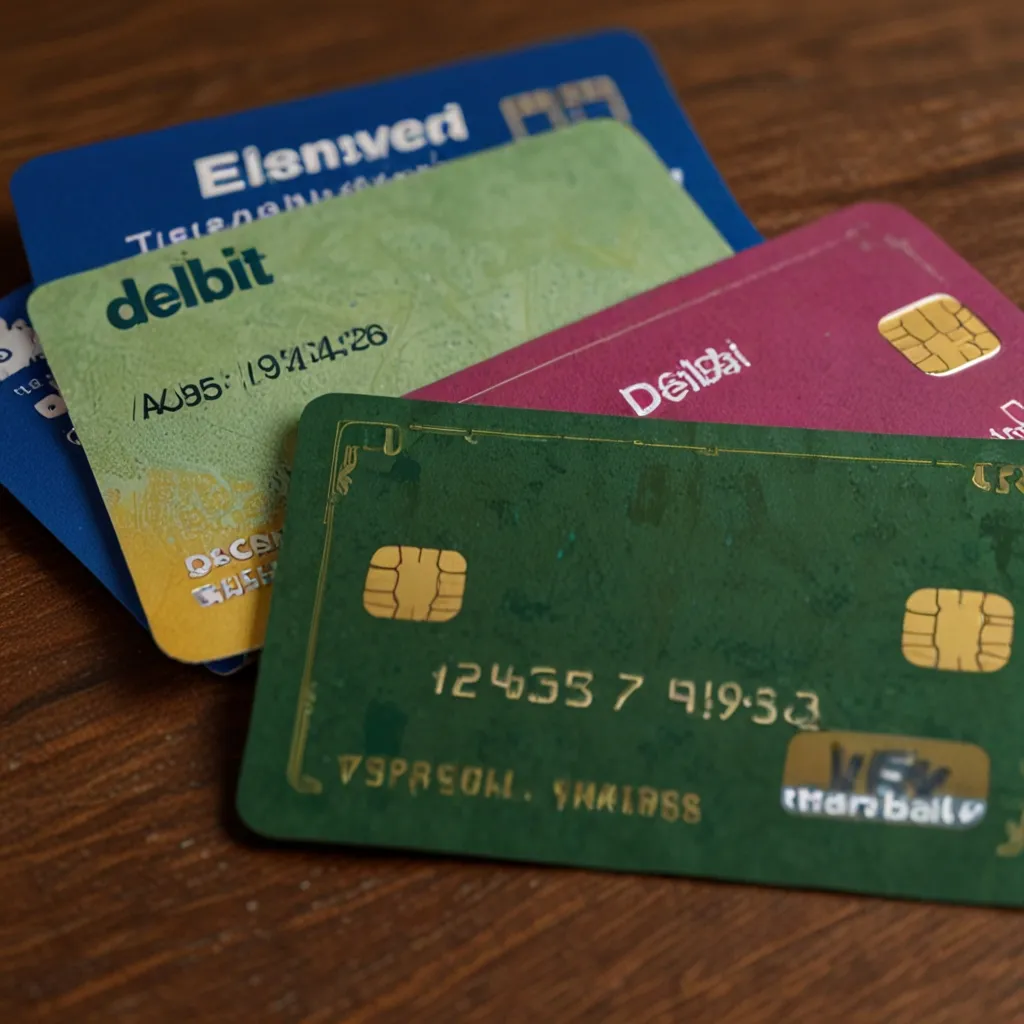
When managing money, it’s essential to know the difference between debit and credit cards. At first glance, they might look the same, and you can use both to buy stuff, but they function differently.
A debit card is straight-up connected to your checking account. Every time you swipe it, money gets pulled directly from your account. You can only spend what’s already there. Try to overspend, and your card will likely get declined unless you’ve got overdraft protection, which usually costs you.
Credit cards, however, allow you to borrow cash from the card issuer. Your borrowing limit is based on your creditworthiness. Essentially, using a credit card is like taking out a mini-loan for each purchase, which you promise to pay back later. Every month, you’ll get a statement listing all your charges. You can pay the minimum, the full amount, or somewhere in between.
Here’s a crucial difference: debit cards don’t impact your credit score because you’re using your own money. But credit cards? Paying those off on time can help boost your credit score. That’s because your payment activity gets reported to credit bureaus, showcasing your creditworthiness.
Fraud protection is another area where they differ big time. Credit cards usually offer better protection. If your credit card gets lost or stolen, you’re generally not on the hook for unauthorized charges. With debit cards, it’s messier—you could be out of your own money until the issue is sorted.
Getting a debit card is a piece of cake. Just open a checking account, and most banks will hand you one. No need for good credit. Credit cards are different; they require a credit check and approval. Special credit cards are available for students to help them start building credit history.
In terms of fees, debit cards are pretty straightforward. Maybe an overdraft fee if you overspend, but that’s usually it—no annual fees or interest. Credit cards come with a list of fees, like annual fees, late payment penalties, and interest if you don’t pay the balance in full.
When it comes to perks, credit cards usually win. They often offer rewards like cash back, points, or miles. Debit cards, unless tied to a special checking account, don’t usually have these benefits.
Debit cards are great for avoiding debt and keeping within budget since you can’t spend what you don’t have. Credit cards, while offering greater flexibility and rewards, need to be managed carefully to avoid falling into debt.
So, whether you choose a debit or credit card depends on what you value more—staying debt-free and on-budget, or enjoying the flexibility and rewards credit cards offer. Understanding these key differences helps you decide the best financial tool for you.