Writing is crucial to modern life, yet we often overlook the tools that make it possible. Today, let’s dive into the fascinating story of BIC, the company behind the iconic pen.
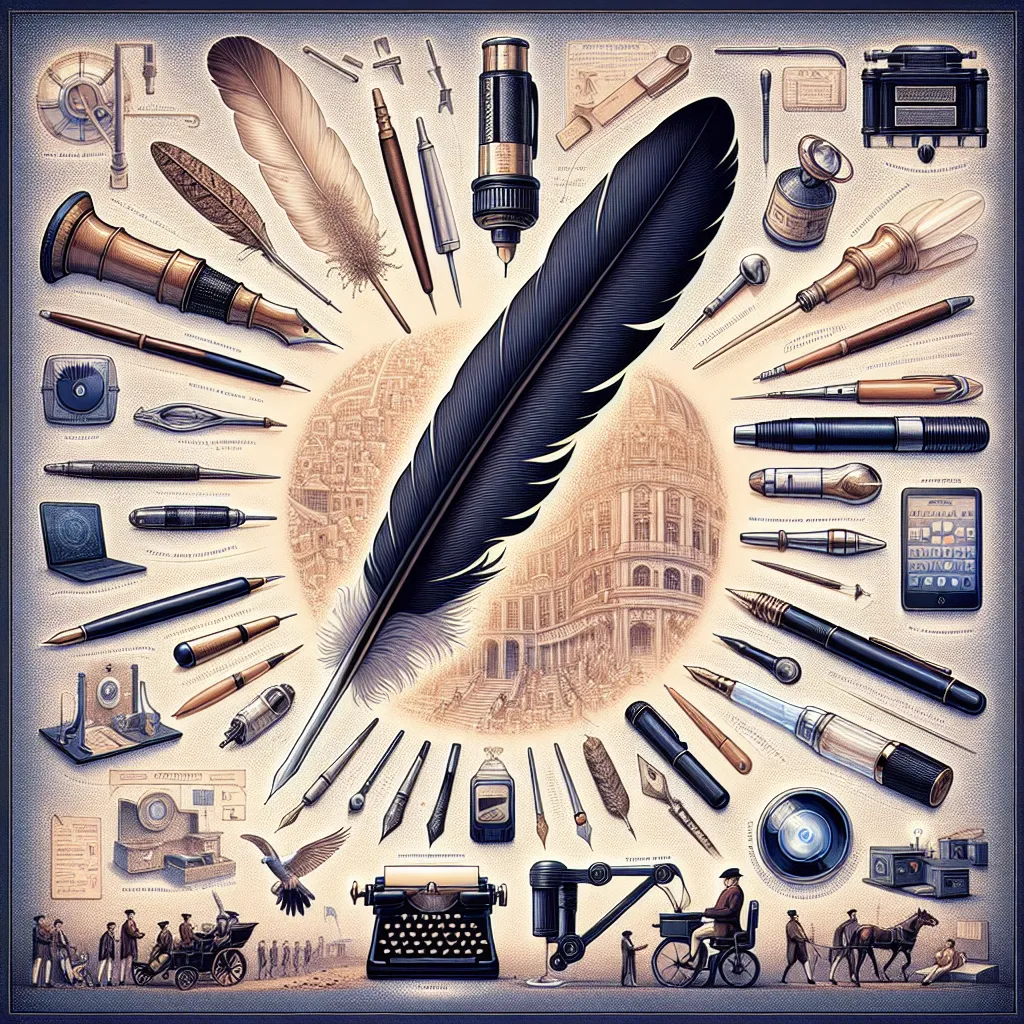
Before metal pens, people wrote with quills—bird feathers that were easy to find and had been in use since 600 AD. With the Industrial Revolution came the dip pen, a metal nib on a handle. But it wasn’t until the late 19th century that fountain pens, with internal ink reservoirs, made a real impact. Lewis Waterman, an insurance broker, revolutionized the pen industry after a faulty pen ruined an important contract for him. He designed a better fountain pen, which dominated the next 50 years.
Enter Laszlo Biro, a Hungarian journalist. He noticed the fast-drying ink used in newspapers and wanted to use it in pens. After seven years of tinkering, he invented the ballpoint pen with a rotating ball in the tip. Fleeing Europe as a Jewish man in 1938, Biro moved to Argentina and started selling his pens, but faced issues with leaky and clogging designs.
Baron Marcel Bich, a Frenchman, saw potential in Biro’s invention. In 1950, Bich bought the patent for $2 million and used cutting-edge technology to create the BIC Cristal. His design featured a clear plastic barrel and a shape that prevented rolling off tables. Through mass production, Bich made these pens affordable, selling them for mere cents.
By the 1950s, BIC was selling millions of pens annually across Europe, South America, and Africa. The company entered the US market by acquiring Waterman, repurposing its factories to make ballpoint pens while maintaining its luxury fountain pen line.
In 1961, BIC introduced the BIC Boy logo and upgraded their ballpoints to tungsten carbide. BIC pens soon became a global staple. Marcel Bich didn’t stop at pens; he introduced disposable lighters in 1973 and razors in 1975, both of which became hugely successful.
Marcel ventured into the watersports market in 1979 with BIC Sport and later into fashion by buying Guy Laroche. However, the fashion line struggled after Laroche’s health declined. Failed attempts at expanding into perfumes and consumer electronics followed. Marcel died in 1994, and his son Bruno took over, refining the company’s focus by strengthening BIC’s core pen business and selling off unprofitable ventures like Guy Laroche.
Despite forays into mobile phones and other electronics, BIC’s most successful products remain pens, lighters, and razors. In 2016 alone, BIC sold billions of these items, proving that simplicity and practicality are their keys to success.
The story of BIC shows that sometimes, sticking to what you do best is the path to enduring success.