How Can You Surf the Investment Roller Coaster Without Losing Your Cool?
Riding Out Market Storms with Diversified Strategies and Cool-headed Decisions

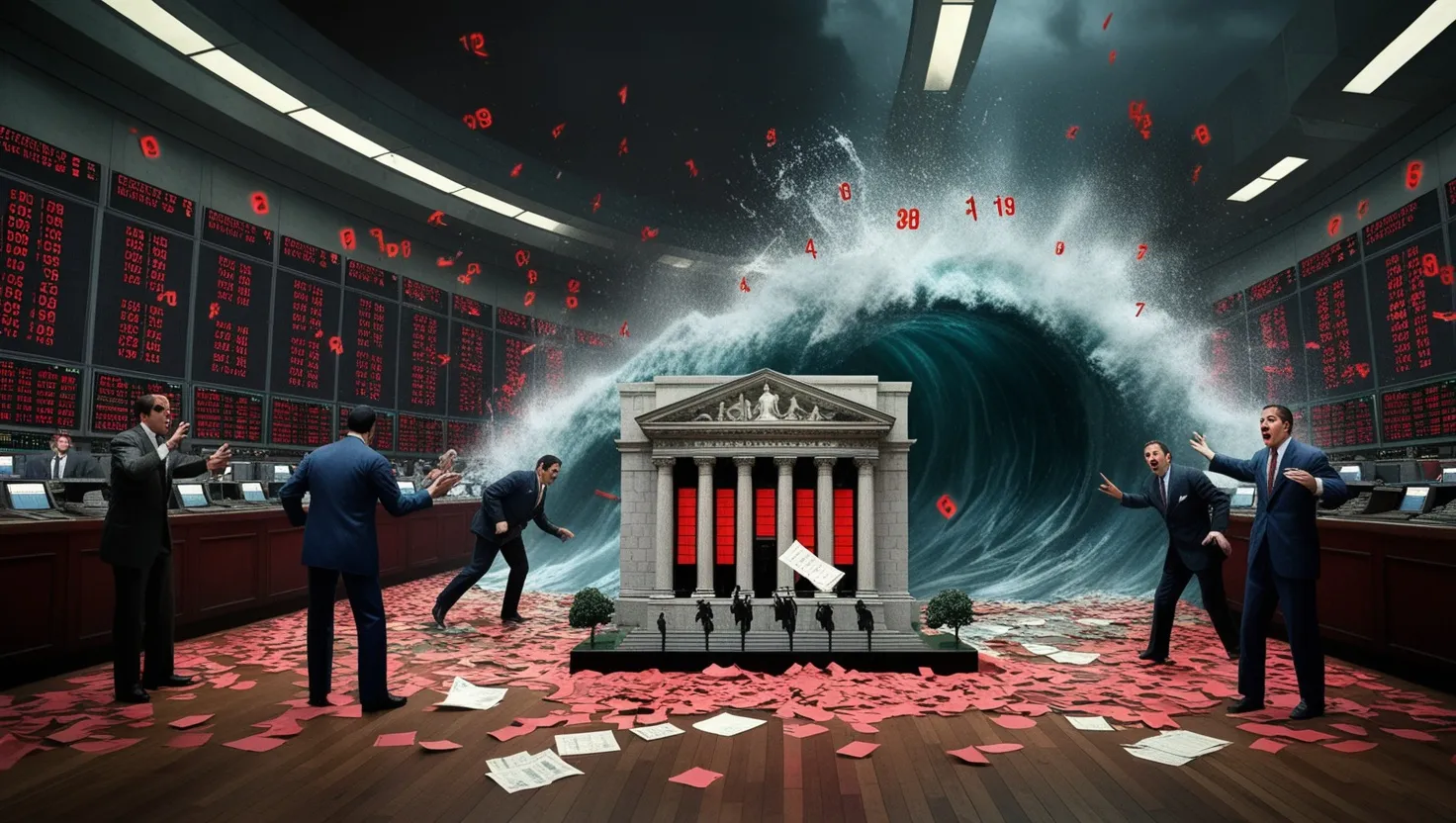
When the market decides to take a wild roller-coaster dive, it’s easy to feel a little freaked out. Everything feels upside down, and the headlines scream doom and gloom. Relax. There are some smart moves that can help keep your cool and safeguard your investment stash.
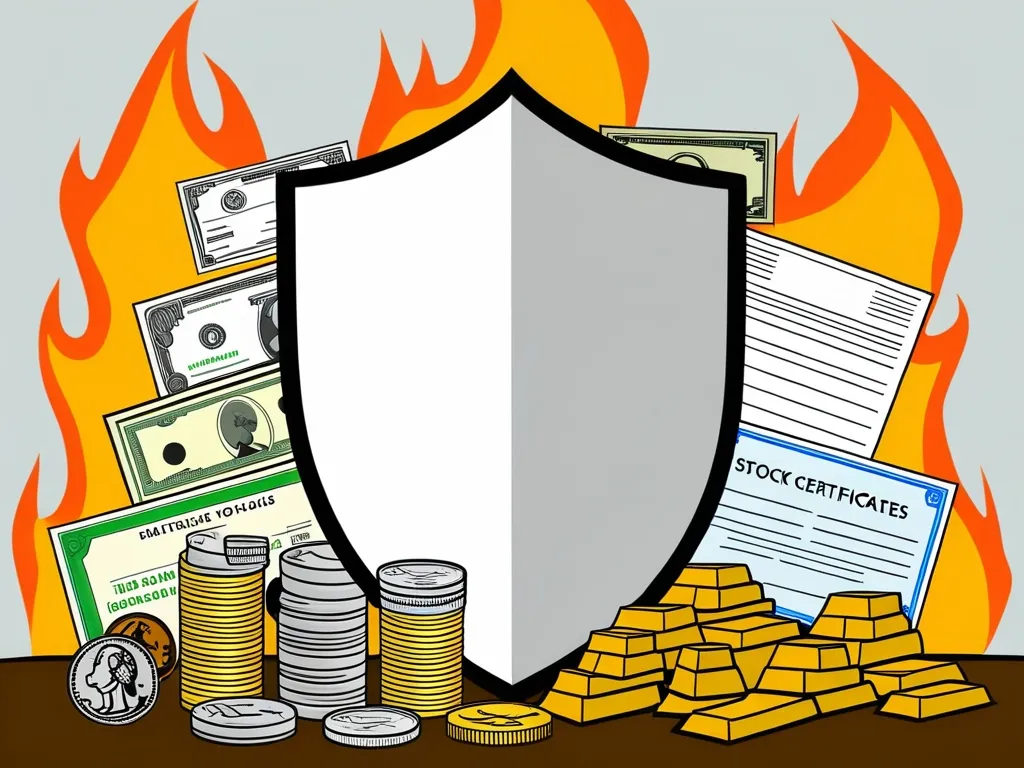
First up, let’s talk about diversity. Not the kind you hear about at work meetings, but diversifying those investments. Spread the love across different kinds of assets—think stocks, bonds, real estate, and maybe a dash of commodities. Visualize your investments as a pie, with each type as a different slice. If one flavor suffers, the other slices help keep the whole pie from crumbling.
Next, think long-term. Market ups and downs aren’t forever; they’re just little bumps on the investment journey. Picture planting a tree—you don’t expect a towering oak overnight. With patience, it’ll grow strong. Resist the urge to make hasty decisions every time the market hiccups.
Quality is king. Focusing on companies with solid finances and a good history can be a game-changer. Think of it like this: Investing in these companies is like owning a sturdy house that can handle a storm. They’re not invincible, but they’re better built for tough times.
Then there’s the dollar-cost averaging trick. This means putting a set amount of money into investments regularly, no matter what the market’s doing. You’ll snag more shares when prices are low and fewer when they’re high. It’s a smooth way to ease the market’s mood swings.
Watch those fees, too. High costs can sneakily bite into your returns. Consider low-cost index funds or ETFs. They give you broad market exposure without demanding a hefty fee.
Having an emergency stash is also super comforting. This should cover at least six months of living expenses. This way, if things really go south, you won’t have to sell your investments at a lousy time.
Finally, stay informed but don’t let emotions take over. The market can cause quite the emotional whirlwind. Keeping up with the news is good, but panicking and making snap decisions rarely does any favors.
Stick to these tips and your hard-earned money will be in a better spot to ride out the rough seas of a market downturn. Remember, investing is more like a marathon than a sprint. With patience, a bit of diversity, and a good strategy, you’ll be cruising through any market weather.