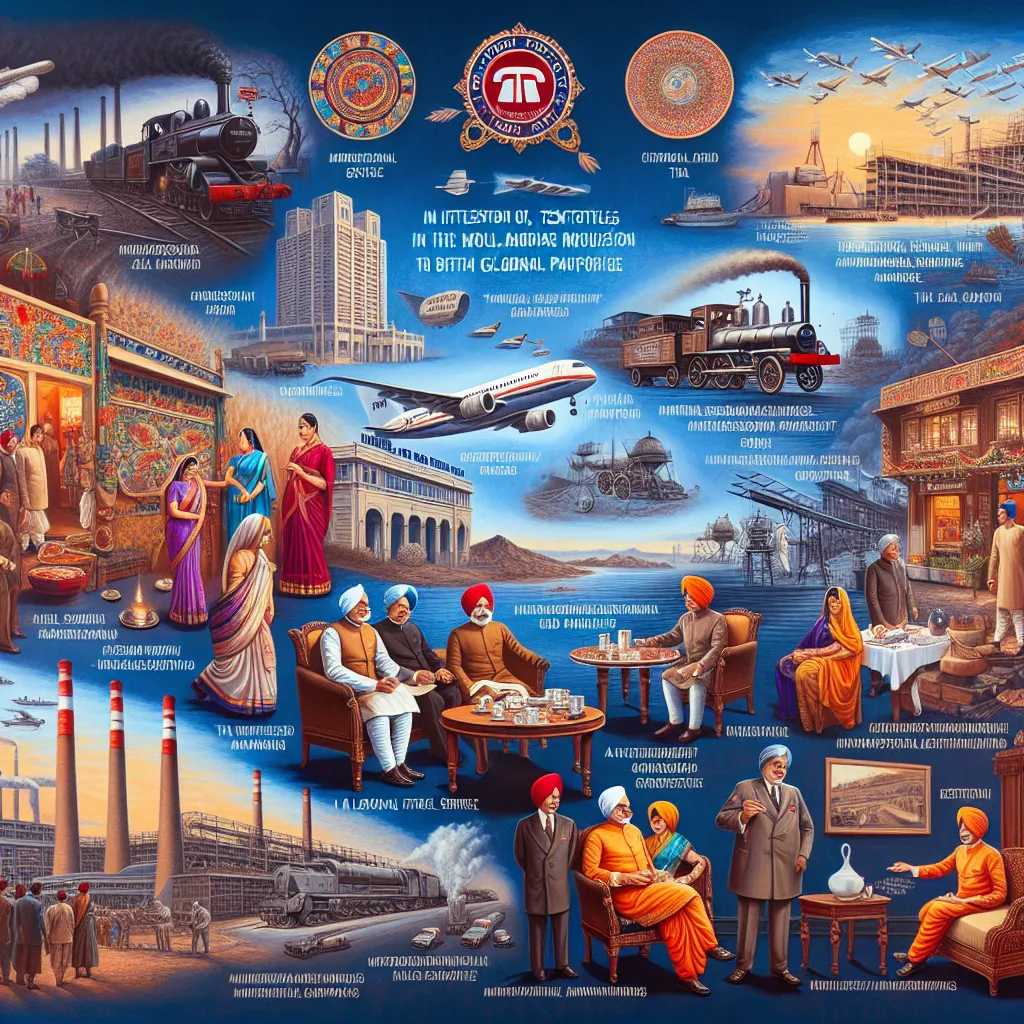
Tata: The Engine of India’s Industry
Nestled at the heart of India’s global business achievements is the Tata Group—a colossal industrial powerhouse. For nearly two centuries, Tata has led multiple industries in India and still reigns supreme in many. While you might be familiar with Tata Motors, their influence stretches well beyond the auto sector.
The journey of Tata began during the British Empire’s era. India’s vast cotton exports faced stifling control under the British East India Company. But the rebellion of 1857 changed everything, as the British Raj took over, allowing for some economic opportunities. With the advent of modern railways and a less exploitative regime, local entrepreneurs like Jamsetji Tata saw a chance to make their mark.
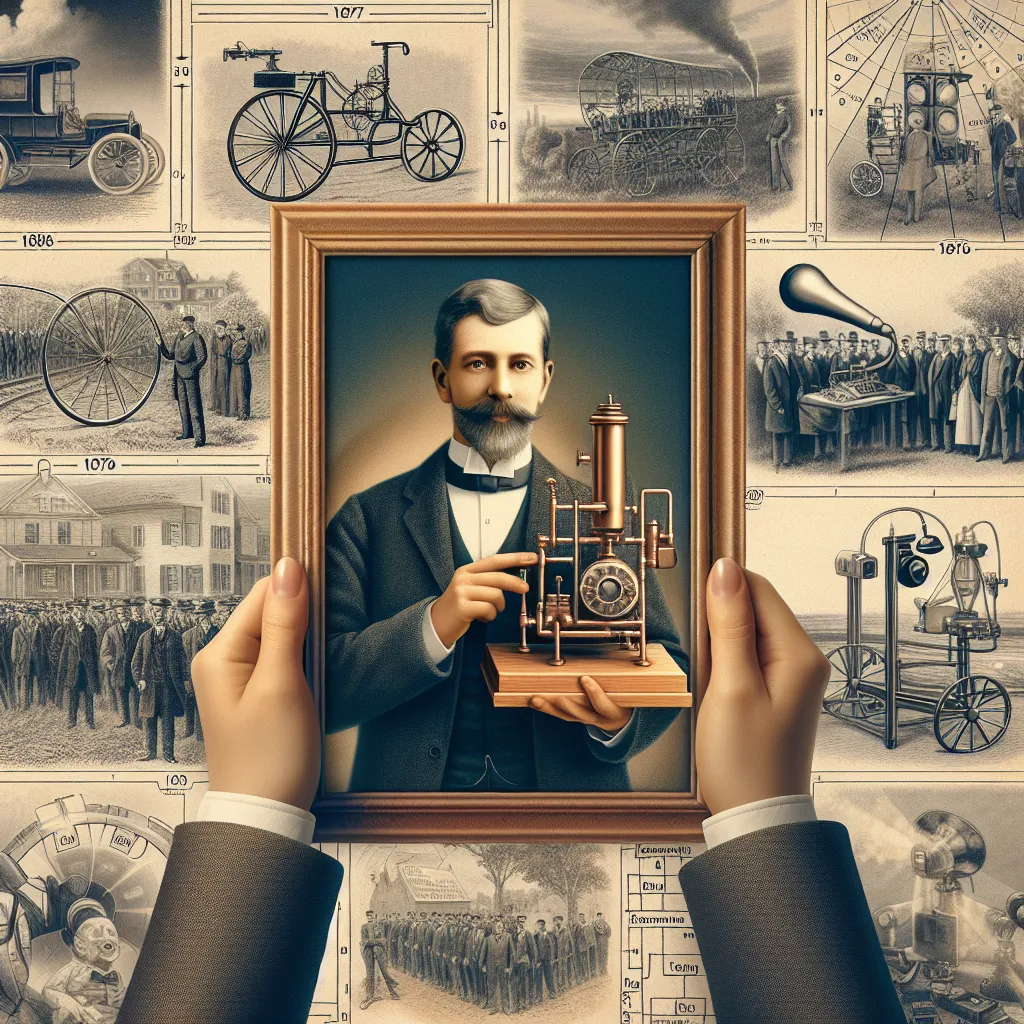
Jamsetji, born to a successful exporter in Mumbai, capitalized on these changes. By 1859, he was expanding his father’s business to Hong Kong and beyond, recognizing its global potential. By establishing his own exports company in 1868 and creating a vertically integrated textile business, he brought innovative practices back to India. His ventures didn’t stop there. Inspired by global industrial marvels, he set up steel production and hydroelectric plants and even ventured into hospitality with the iconic Taj Mahal Palace Hotel.
Jamsetji’s vision extended beyond business. He valued education immensely, contributing significantly to the creation of the Indian Institute of Science. Sadly, he passed away in 1904, leaving his sons to fulfill his grand plans. They did so by establishing India’s first steel works, cement plant, and indigenous insurance company, laying a sturdy foundation for Tata’s future.
In 1938, leadership transitioned to a distant relative, JRD Tata. With a passion for aviation, JRD founded Tata Air Service in 1932, which later evolved into a passenger airline. Post-India’s independence, Tata faced many challenges due to socialist policies. Despite governmental nationalization of Tata Airlines, JRD continued to grow the conglomerate, launching Tata Motors in 1945.
The mantle eventually passed to Ratan Tata in 1991. As economic liberalization swept India, foreign competition posed a significant threat. Ratan swiftly reorganized Tata’s subsidiaries, consolidating control. He embarked on an ambitious acquisition spree, purchasing foreign companies to integrate their expertise and resources. Landmark acquisitions included the British Tetley Tea, European steel giant Corus, and the luxury brands Jaguar and Land Rover.
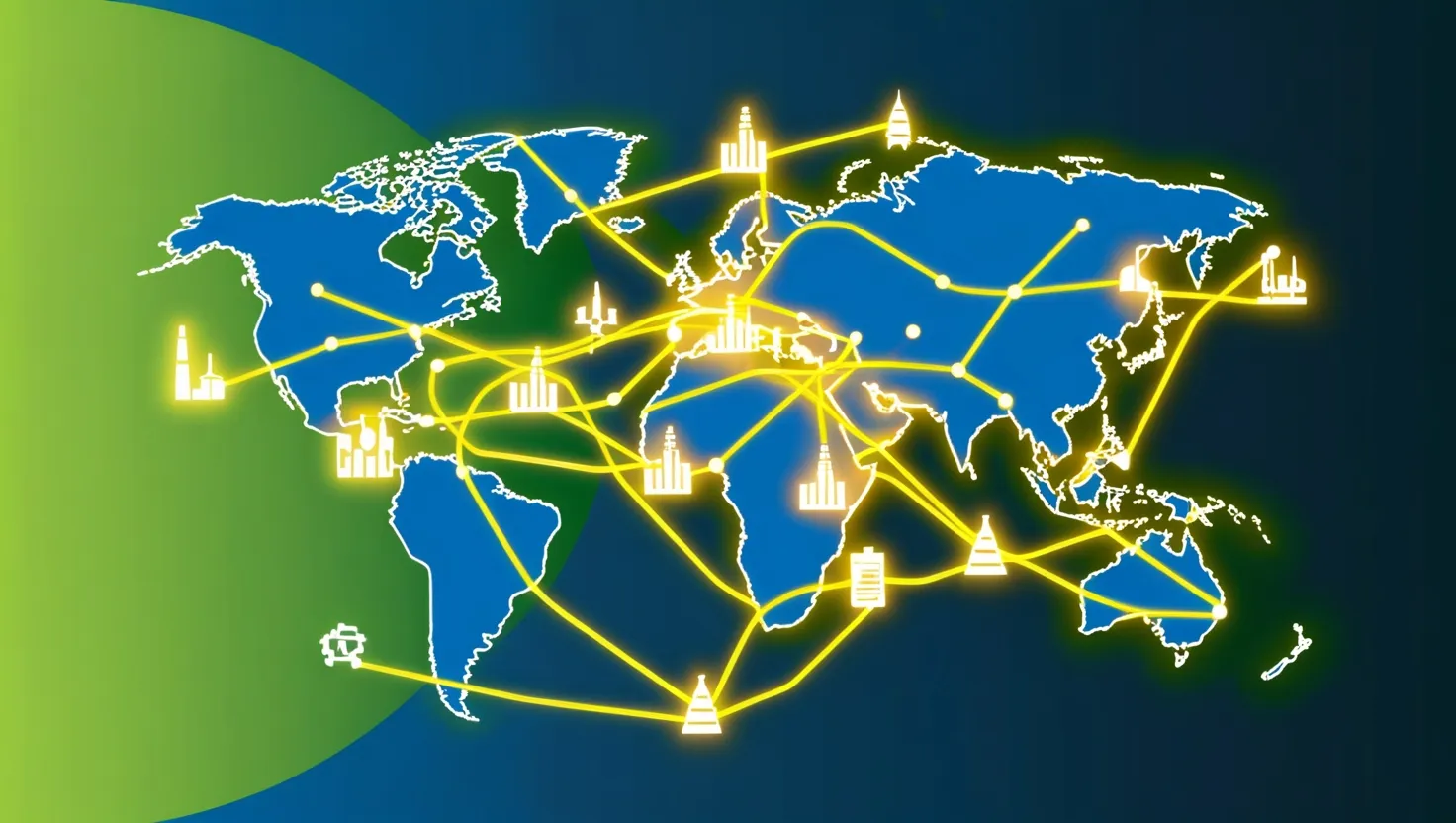
Today, Tata’s international ventures are a testament to their global reach, with the majority of their revenue streaming in from outside India. Remarkably, many Tata companies are publicly traded, allowing everyday investors a stake in this industrial giant.
The Tata Group’s story is a saga of resilience, innovation, and strategic foresight, illustrating how a singular vision can evolve into a global legacy.