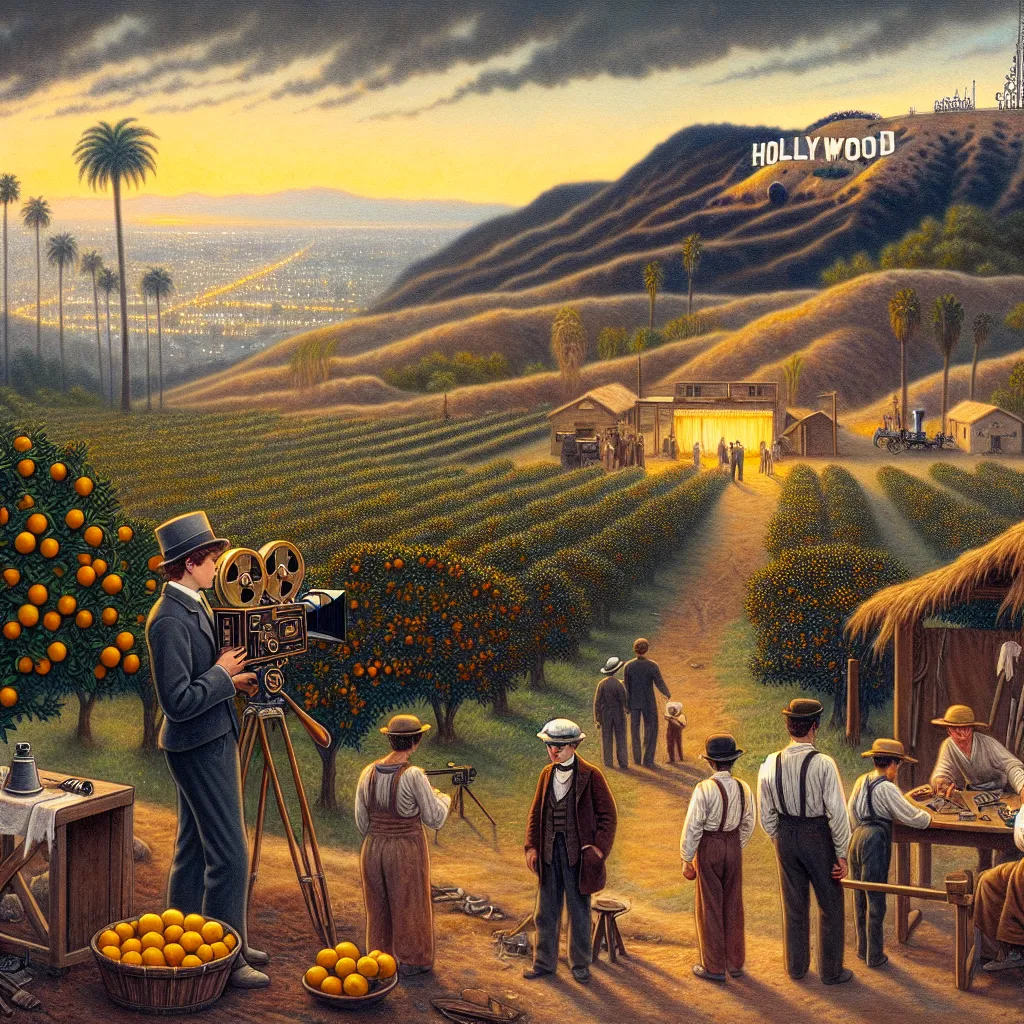
Hollywood wasn’t always the giant of the movie world. It started as a sleepy little agricultural village, far removed from its glittering future. At the dawn of the 20th century, the residents were more into growing citrus trees than making movies. The real movie action was happening in Paris, with French studios dominating the scene. America, on the other hand, was seen as a bit of a backwater when it came to filmmaking—though they were pioneers in film tech.
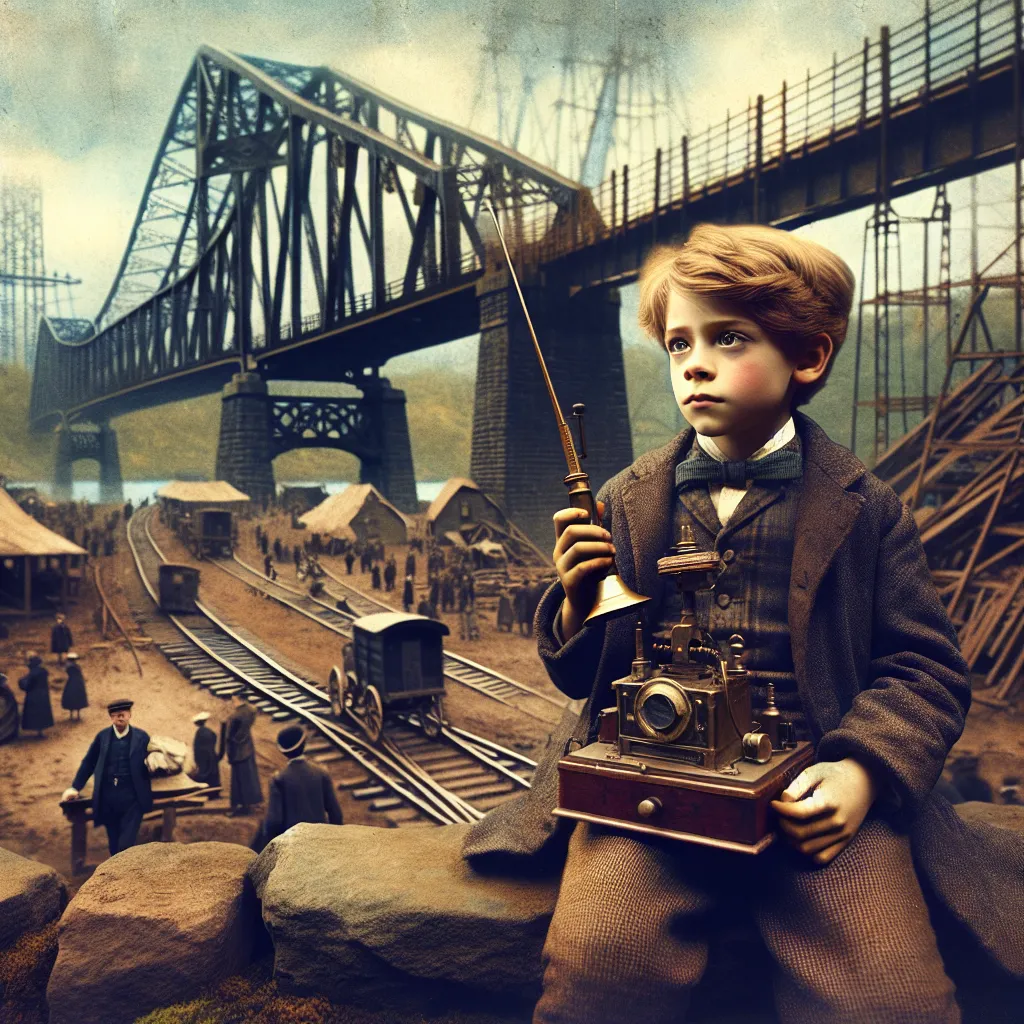
Thomas Edison, the inventor extraordinaire, significantly impacted the early American movie scene. He built the first US movie studio in 1893 and hoarded crucial patents for cameras and projectors. His strategy? Sue anyone who dared to enter the competition. It worked well at first, keeping Edison’s company in the lead.
However, as more and more people flocked to Nickelodeons, small theaters that showed short films, Edison found himself outpaced. By 1908, he realized he couldn’t keep suing every new studio. So, in a strategic shift, he united the studios under the Motion Picture Patents Company, also known as the Film Trust. This conglomerate controlled everything from production to Nickelodeon projection rights, squeezing the theaters dry with various fees.
But not everyone bowed to the Film Trust. Some theaters avoided the exorbitant fees by importing films from Europe. Others, enamored with the growing trend of feature-length films from Paris, decided to make their own. However, the Film Trust didn’t approve, fearing these longer films would threaten their revenue from short films.
To escape the Trust’s stranglehold, filmmakers started heading west, landing in Los Angeles, which was conveniently far enough to dodge lawsuits and close enough to the border for a quick escape if needed. With LA being well-connected by rail to the technology hubs on the East Coast, it was an ideal spot.
These early filmmakers settled in Hollywood, then just a small town. The first studios there sprang up in 1912 and began to churn out feature films. This new Hollywood industry grew rapidly, and by 1915, they had garnered enough power to support the US government in breaking up Edison’s Film Trust monopoly.
Without the East Coast monopoly, Hollywood was free to flourish. World War I further bolstered its rise by hampering European film production, leaving the coast clear for Hollywood to dominate globally. Thomas Edison, more interested in tech than filmmaking, didn’t mind stepping back, paving the way for Hollywood’s golden age.