Why Do We Still Work in Offices? The Strange History Behind the Modern Workspace
Why We're So Hung Up on Offices, Even When We Don't Have To Be
The concept of an office can seem quite odd if you stop and think about it. Gathering everyone in one place just to work together—it’s a strange idea unless you’re in a job that requires a physical presence like being a doctor, factory worker, or plumber. Most of us don’t need to be in a particular space to do our work. Yet somehow, this idea of the office became a standard.
Then, the pandemic hit. Before 2020, the notion of working from home was basically scoffed at. It was this alien concept. But COVID flipped that perspective overnight. However, jump to today in 2023, and there’s this huge push to get everyone back into offices. Companies are pulling out all the stops—pizza parties, perks, you name it—to lure employees back. We just can’t seem to come to a consensus on why the office exists in the first place.
To get a grip on this, we have to go back to where it all began. The term “office” originally had more to do with administrative roles than a specific workplace. The early form of an office might have looked something like a records room in a grand palace or royal house. Workers back then lived right where they worked, as part of the household. Not quite like today’s offices, but you can see the roots of the concept.
Things took a big step forward in 13th-century England with the division of the Royal household and the creation of the Office of Chancery at Westminster Hall. Their job was to produce official documents and legal letters. This marked a shift—work was being separated from the home for the first time. It set a trend for creating designated offices to streamline work and improve administration. Slowly, more government offices followed suit, but private offices didn’t really take off until the era of colonialism.
Colonialism required tons of coordination and paperwork, which private trading companies handled. The British East India Company was a pioneer in this, setting up the first purpose-built private office around 1729. Thousands of workers trooped in daily to handle everything from taxation to shareholder satisfaction. As the Industrial Revolution kicked in, productivity and the need for coordination and collaboration skyrocketed, leading to the rise of offices in various sectors like banking and railways.
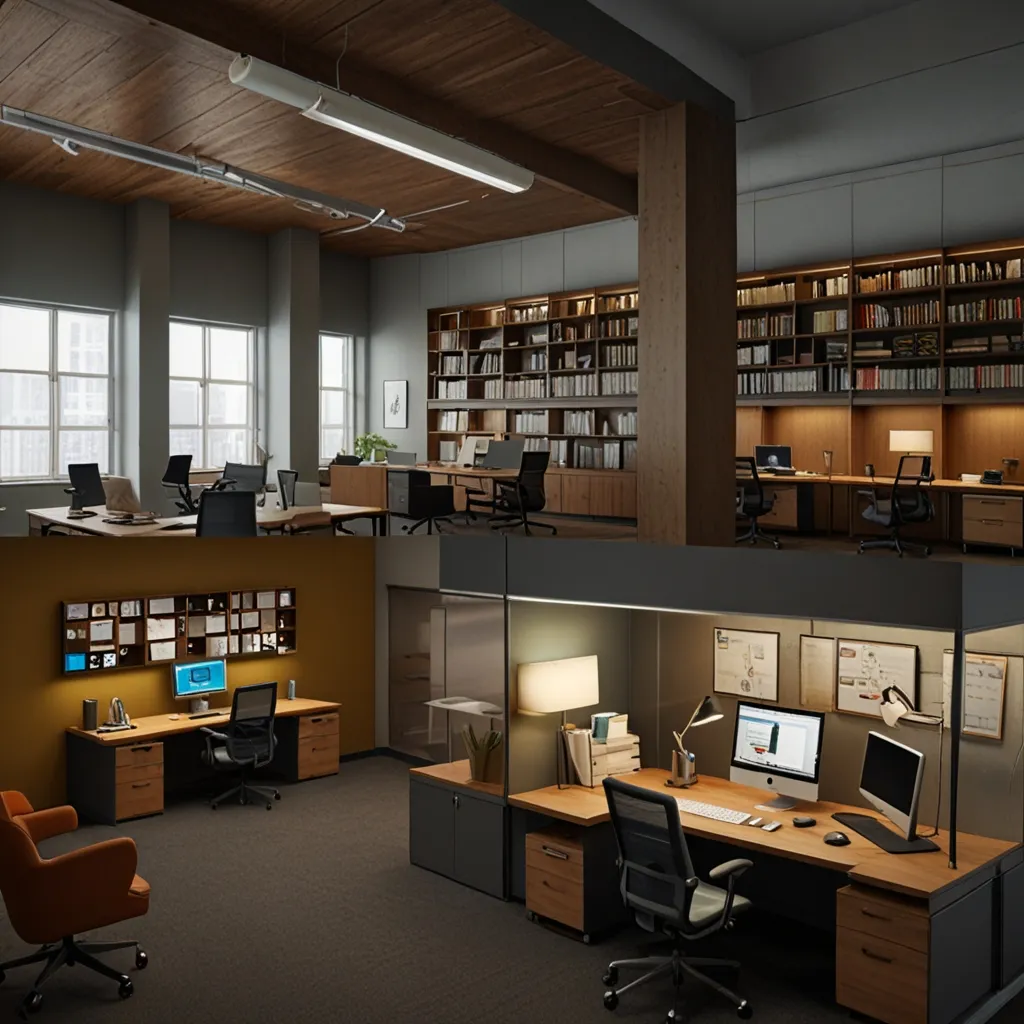
Fast forward a few hundred years, and you have modern offices, which owe their cramped, efficiency-driven design to the rise of management consultants. They took lessons from factory efficiencies and applied them to offices, leading to somewhat uncomfortable, packed workspaces. The 1960s saw some pushback with companies like Herman Miller creating office furniture systems that laid the groundwork for the modern cubicle—cramped but a bit more private.
But cubicles didn’t last long. Japan, on its rise as an economic powerhouse, stuck with the open office concept. This idea caught on globally, pushing the cubicle into “old-fashioned” territory. Open offices were supposed to encourage creativity, teamwork, and harmony, but many studies found the opposite. High levels of stress, conflict, high blood pressure, and turnover rates were the norm. Open offices weren’t the utopia they were promised to be.
Given how unwelcoming offices could be, it’s no wonder many employees today prefer working from home. The pandemic proved that remote work was a feasible option for many. It’s not just about what employees prefer; research consistently shows remote work helps with employee retention, boosts mental health, and even increases productivity by cutting out commute times and the morning rush to get ready.
That said, working from home isn’t all sunshine and rainbows. There are legitimate concerns like cybersecurity risks, communication issues, especially with younger employees, and a general sense of disconnect from the company’s culture and values.
So, whether you’re for working from home or going into the office, both options have their pros and cons. Understanding the history of the office helps us see how these spaces have shaped and influenced our work and culture over the centuries. If you’re thinking about quitting your job to start your own business, hold up. There’s a critical step many people miss, so take your time to consider your options and prepare thoroughly before jumping in.