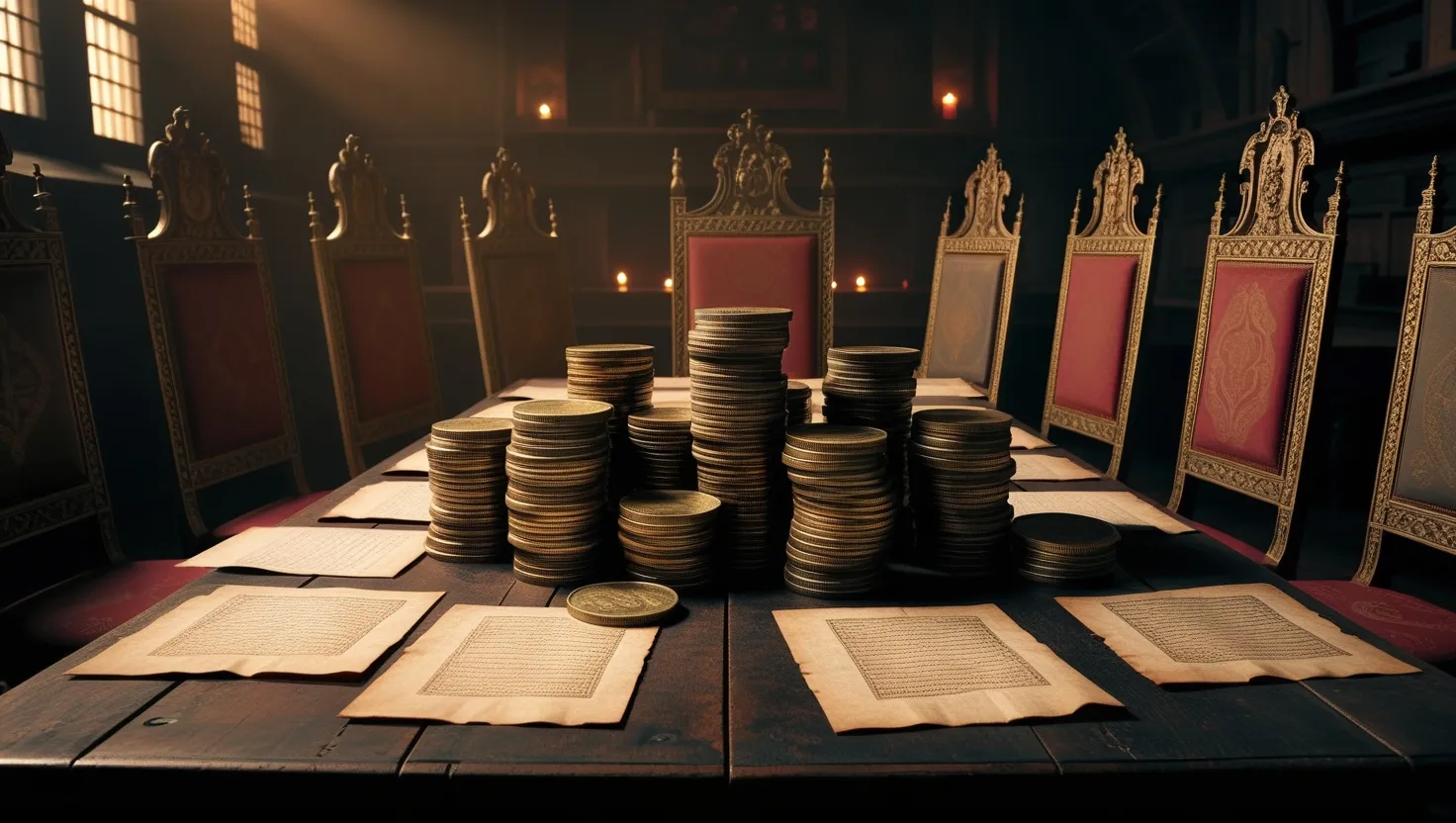
Imagine this: you and a bunch of friends pool your money into one big pot. Every year, you all get a share of the interest as long as you’re alive. But here’s the twist—when someone dies, their share gets divided up among the survivors. Payments get bigger and bigger. And the very last one standing? They take home the whole pot. Sounds like a wild bet on who lives longest, right? That’s a tontine. It mixed money, life, and death in a way we don’t see anymore. Let me walk you through its strange story, step by step, like we’re chatting over coffee.
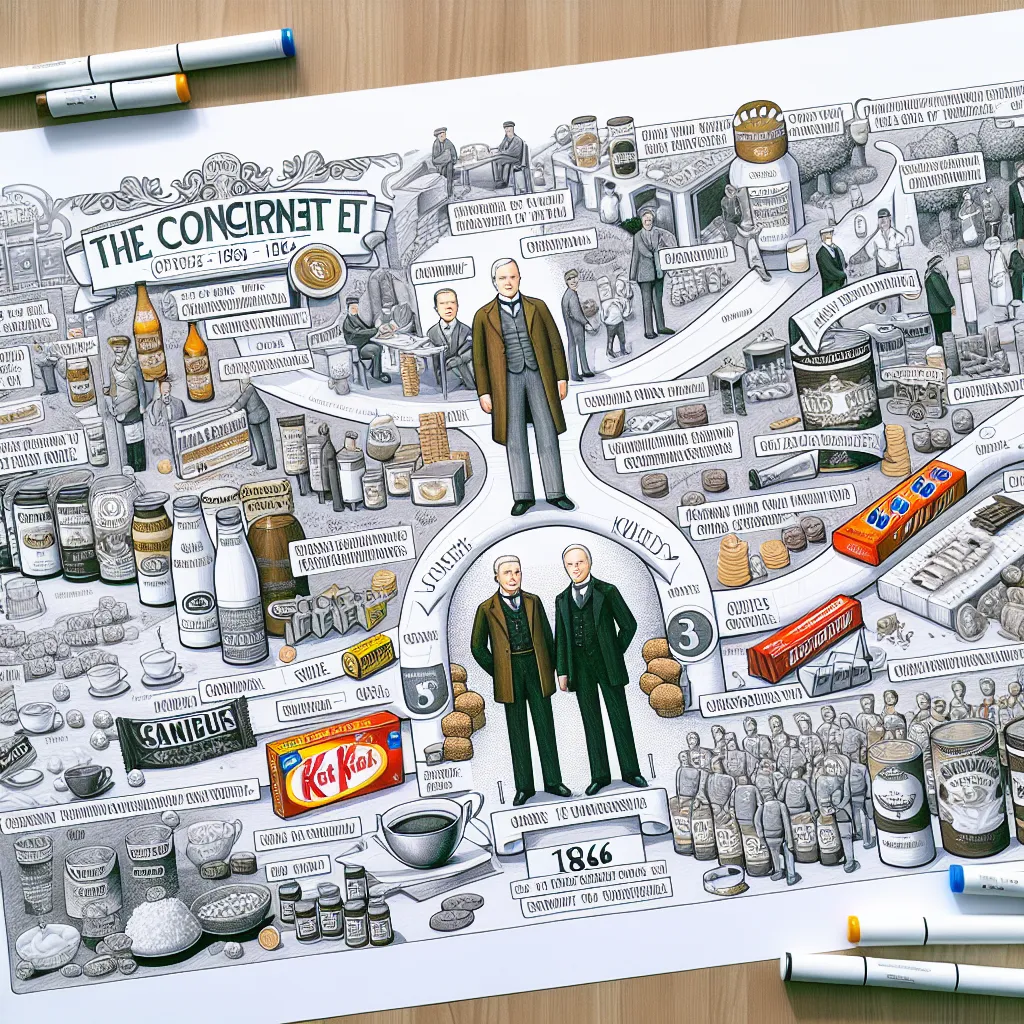
I want you to picture 17th-century France. Kings are broke from endless wars. Enter Lorenzo de Tonti, an Italian banker with a big idea. In 1653, he pitches this to King Louis XIV. “Give me your poor nobles,” he says in effect. “They buy in, you get cash now, and you pay interest only to the living ones.” The king loves it. It’s like a loan that might never need repaying. Subscribers put up money for shares. The government invests it safely, pays out yearly dividends split among survivors. Last person alive gets everything left. When they go, the pot goes back to the crown. Simple, but genius for a cash-hungry ruler.
Why did it catch on so fast? Think about it. Back then, no Social Security, no pensions. People worried about starving in old age. A tontine promised steady cash that grew over time. If you outlived the group, jackpot. Governments raised millions without deadlines. France ran over 200 tontines by 1700. They funded armies, roads, even palaces. Ever wonder what made old folks fight to stay alive back then? This did.
“The tontine is a lottery in which the prizes increase as the number of survivors diminishes.” – Lorenzo de Tonti, in his original proposal.
Now, jump to England. By the 1700s, they’re hooked. Parliament passes laws for tontines in 1765. Rich widows, merchants, even kids bought in—some as young as five. Payouts could double or triple as members dropped off. One scheme from 1789 had 1,500 subscribers. By 1814, only 36 left, and dividends shot up 40 times. Imagine getting that check in the mail. But wait—kids? Yes. Parents bought shares for their little ones, betting on long lives. Creepy? A bit. Smart? For some.
Across the ocean, America grabs the idea. In 1790, New York sells 203 shares to build the Tontine Coffee House. Merchants pony up $200 each. It becomes Wall Street’s heartbeat—stocks traded there, deals hatched over rum. Later, it burns down, but the spot? First home of the New York Stock Exchange. Tontines funded bridges, churches, even Harvard dorms. One lesser-known gem: Philadelphia’s tontine in 1794 bankrolled the first U.S. life insurance company. They used it to back policies. Finance on top of finance.
Have you ever thought how death could make you richer? In a tontine, it did. Survivors cheered inside when payouts rose. But that led to dark whispers. Stories spread of poisonings. Real or not, they stuck. In 1726, a London tontine scandal: one guy faked deaths to grab bigger shares. Caught, hanged. Fiction piled on. Charles Dickens in “Our Mutual Friend” has a tontine where heirs plot murders. Robert Louis Stevenson amps it up in “The Wrong Box”—comedy of errors with bodies hidden. Pop culture turned tontines into murder plots. Fair? No. But it scared people.
Let me tell you a hidden fact most skip. Tontines weren’t just for the rich. In 19th-century Vienna, workers formed “poor men’s tontines.” Bakers, tailors pooled pennies. By 1880, thousands ran across Europe. Payouts fed families when breadwinners died young. It was social insurance before insurance existed. In Italy, they called them “assicurazioni vitalizie”—life assurances with a gamble. One group from 1832: 100 farmers. Last survivor, a woman named Maria, lived to 104 in 1935, got the pot worth a fortune in lira. She bought a vineyard. True story of beating the odds.
But cracks showed early. Pricing them right? Impossible without good death stats. Actuaries were babies then. Schemes promised big but underfunded. Inflation ate gains. One French tontine from 1668: subscribers waited 70 years for full payout. Many died broke. Fraud? Rampant. Promoters vanished with cash. In 1815 Pennsylvania, a tontine collapsed—investors rioted. Governments stepped in, but too late.
“Tontines are lotteries upon lives, where the last survivor takes all.” – Adam Smith, warning in “The Wealth of Nations.”
Picture the suspicion. You join with neighbors. Years pass. Cousin Joe dies “suddenly.” Your payout jumps 10%. Do you toast his memory or count coins? Paranoia grew. Newspapers ran tales: “Tontine Slayer Strikes Again!” In 1835 Scotland, a trial—man accused of pushing rival off a cliff. Acquitted, but damage done. Society saw greed over community. What if your grandma was in one? Would you visit less to avoid “accidents”?
Private tontines boomed in the 1800s U.S. Sold as “widows’ funds.” Over 150 companies by 1860. They mimicked insurance but added the survivor prize. New York banned them in 1905 after scandals. Why? Regulators hated the “betting on lives.” Courts called it gambling. Life insurance laws demanded fixed payouts, not escalating ones. By 1920, most gone. Pensions rose—predictable, safe. Tontines? Relics.
Here’s an odd angle: tontines as motivation machines. They forced saving. Once in, no early out without loss. Payouts rewarded patience. Modern 401(k)s? You can cash out anytime, lose fees. Studies later showed tontine holders saved 30% more. One expert noted: people lived healthier, drank less, knowing shares depended on it. Reverse psychology on mortality.
Ever ask why we don’t have them now? Legality blocks it. U.S. laws ban “conditional fees on lives.” But echoes linger. Prize-linked savings—like UK’s Premium Bonds. You save, enter lotteries, no loss. Sweden’s “people’s lotteries” mimic tontines. Fintech apps gamify it: beat friends’ savings streaks for bonuses. Crypto DAOs experiment with “mortal pools”—survivor takes crypto rewards. Wild west stuff.
Let me share a forgotten gem from Dutch history. In 1673, Amsterdam ran a tontine for war widows. 1,200 women bought in. Last one, in 1760, was 112. She got 50 guilders a week—rich for life. Funded orphanages too. Philanthropy with profit. Compare to today: annuities pay fixed, ignore peers. Tontines made you root for everyone’s health, indirectly.
Problems piled up beyond murder myths. Longevity wrong. Groups expected 40-year runs; some hit 90. Funds drained. Currency shifts wrecked them—French Revolution torched royal tontines. U.S. Civil War inflated others away. No diversification rules led to bad bets on ships sinking or mines failing.
“The tontine principle is sound, but human nature corrupts it.” – An anonymous 19th-century financier.
What if tontines returned tweaked? Imagine a retirement app: pool with friends, AI tracks health anonymously, payouts rise fairly. Blockchain verifies survivors. No poison needed—data rules. Regulators warming? EU tests “longevity swaps.” Insurers pool pensions, last firm pays more. Close cousin.
Think about behavioral nudges. Tontines exploited rivalry. We hate losing out. Nobel winner Richard Thaler says such incentives beat plain saving. One trial in South Africa: tontine-style groups saved 50% more than banks. Women led, outlived men, won big. Cultural fit.
Dark side deeper: inequality. Rich bought more shares, rigged odds. Poor joined risky ones, lost out. Women? Often excluded or low shares. One 1850 London tontine: men only, “to avoid hysterics.” Sexist, sure. But some rebelled—U.S. “ladies’ tontines” popped up secretly.
Survivor tales fascinate. In Paris, 1711 tontine: last man, Pierre, lived to 99 in 1807. Blind, bedridden, still collected 12,000 francs yearly. Servants fought over him. He joked, “I’m the richest corpse alive.” Died smiling, pot to state.
Modern twist: pandemics. COVID hit group annuities hard. Tontines? Survivors would boom. One simulation: 2020 group, payouts double by 2040. Incentive to vaccinate, stay safe. Finance meets public health.
Why did it fade? Trust eroded. Transparency lacked—no prospectuses like today. Scandals bred bans. But lesson: humans crave competition in money. Stocks do it daily. Tontines made it personal, mortal.
“In the tontine, death is the great leveler—and the ultimate winner.” – From a 1902 financial pamphlet.
Ask yourself: would you join one now? With friends? Family? Risks aside, thrill’s there. Tontine taught finance isn’t math alone. It’s people—fears, hopes, greed. Lost promise? Maybe. But its ghost haunts every pension plan, whispering “outlive them all.”
Revival whispers grow. Japan, aging fast, tests “silver tontines” for elders. Pool pensions, survivors get more. Governments save billions. U.S. actuaries pitch “tontine annuities”—legal via wrappers. 2023 proposals in Congress. Watch this space.
One quirky fact: Abraham Lincoln eyed tontines for Civil War bonds. Rejected—too “speculative.” But Union soldiers formed informal ones, pooling pay. Last vet from a 1863 group claimed $10,000 in 1940. Patriotism paid.
In Africa today, informal tontines thrive. “Stokvels” in South Africa—millions pool for funerals, homes. No banks needed. Last survivor? Often splits with heirs. Pure, unregulated genius.
Tontine’s fall warns: clever too often breaks. But its core—tie money to life—endures. Next time you fund your IRA, ponder: what if it rewarded living longest? Game-changer or poison pill?
We chase security, but crave edge. Tontine gave both, till it didn’t. History’s odd gift: proof finance lives because we do. Stay healthy out there—you might win the next one.
(Word count: 1523)