Is Your College Dream Worth a Lifetime of Debt?
When Degrees Become Pricey Dream Tickets in the Education Lottery
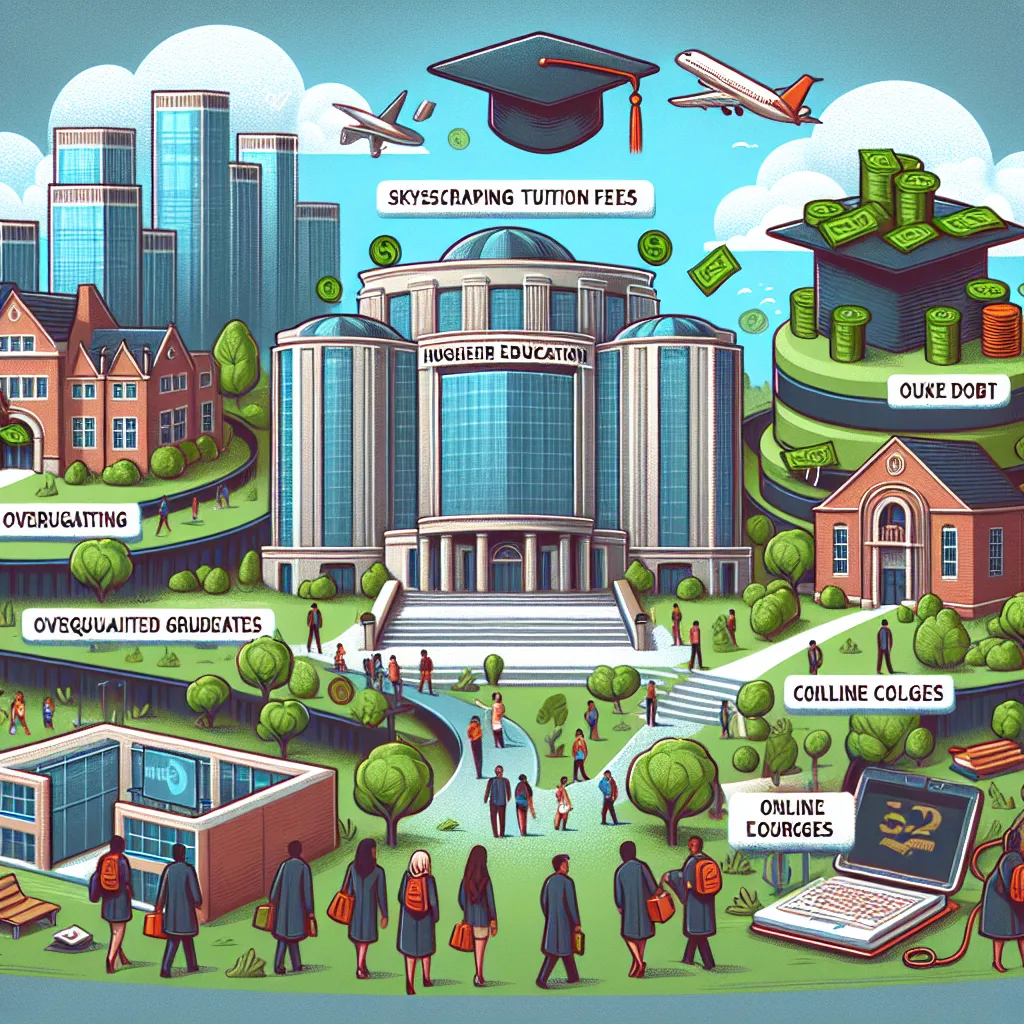
Universities today function much like any business, with revenues, expenses, and a product to sell. The reputation of a university is one of its most valuable assets and something that parents scrutinize closely, usually focusing on annual rankings. This fierce competition to climb higher in the rankings means better faculty, bigger facilities, and inevitably, more significant expenses. The result is skyrocketing tuition fees, but this is only the tip of the iceberg.
Starting from kindergarten, kids embark on an educational journey filled with relentless grinding until they reach twelfth grade, followed by an undergrad stint. Parents often start saving for their children’s college education even before the kids can walk. Consequently, teenagers are expected to have mapped out their college paths and earned credits even before deciding on a major.
Their faith in higher education isn’t misplaced, though. On average, someone with a bachelor’s degree ends up earning a million dollars more over a lifetime compared to someone with just a high school diploma. However, these averages can be deceptive. If you analyze the median wages based on different majors, you’ll see that not all degrees offer the same financial promise. Graduates from the less financially rewarding majors often find themselves working jobs for which they are overqualified, like at Starbucks.
Widen the scope, and these issues get even graver. Tuition fees double every nine years, underemployment among youth hovers around 50%, and student debt in the U.S. exceeds the GDP of Australia. Among the main beneficiaries are the universities themselves, which saw their revenues soar by 56% between 2009 and 2014.
The idea that everyone should go to college is a relatively new mantra. Historically, higher education was a privilege for a select few. Post World War II, as America transitioned to a service-based economy, universities became more integral. Enrollment rates climbed in tandem with the rise of the service sector, and universities started admitting as many students as they could, cashing in on the demand.
To stay competitive, private universities that rely heavily on tuition revenue began investing in amenities like luxurious dorms and cutting-edge gyms. To finance these splurges, tuition fees rose. Simultaneously, to ensure high graduation rates and maintain their reputations, grades were inflated. Back in the 1940s, only 15% of students received As, but today, it’s the most common grade nationwide.
Administrative costs ballooned too. Take California Polytechnic University; over 30 years, its administrative staff tripled while its faculty grew by a measly 4%. This administrative bloat has contributed significantly to the skyrocketing costs of university operations, which have increased 22 times since 1970.
Tuition caps dictated by what people can afford haven’t stopped universities from finding alternative revenue streams. Student loans became the go-to solution, with the U.S. government acting as the ultimate lender. Beginning with the GI Bill and continuing with civilian loans, student debt ballooned to $1.4 trillion, 92% of which is held by the government.
This burgeoning student debt has an eerie resemblance to the housing market crash of 2008, a bubble waiting to burst. Students graduate with an average debt of over $37,000, repayable over 20 years, often for jobs that are below their qualifications. Reform in higher education is urgently needed to break this unsustainable cycle.
There’s a glimmer of hope with the rising popularity of community colleges and online courses. Online freelancing and skill-based jobs have opened up new avenues where a degree isn’t mandatory. Numerous platforms offer affordable courses on a vast array of subjects, often for a fraction of the cost of a traditional degree.
The internet is brimming with opportunities to learn new skills without plunging into lifelong debt. As more people turn to alternative forms of education, the monopoly of traditional universities may finally face some genuine competition, potentially heralding a much-needed change in the system.