Ah, speculation—the mother of all evil, as Gordon Gekko once famously asserted. And when you look at the economic fiascos through history, you might find yourself nodding in agreement. The 2008 housing crisis, the dot-com bubble of the early 2000s, or even the whimsical Tulip Mania of 1637—they all have speculation at their core. But perhaps the most gigantic bubble of all took place in a seemingly unlikely corner of the world: Kuwait, with the dramatic rise and fall of its stock market in the early ’80s.
Picture this: In 1982, this tiny Middle Eastern nation, geographically minuscule and sparsely populated compared to giants like the US, owned the title of the world’s third-largest stock market. Who could’ve guessed? It all began back in 1938 when Kuwait discovered oil—black gold that would transform its economic landscape forever. Fast forward to the 1960s, oil production skyrocketed, delivering unforeseen wealth to its citizens, not just the elite.
By the mid-70s, Kuwait was in a prime spot. Global oil prices soared, thanks in part to the 1973 oil embargo. Kuwaitis, with their newfound wealth, needed a place to invest. Enter the official stock market, known as the Borsa, in 1977. But this market primarily catered to the wealthy, with strict regulation making it inaccessible to the average Joe. And thus, in 1978, the Souk Al-Manakh emerged—a more thrilling, albeit riskier, alternative.
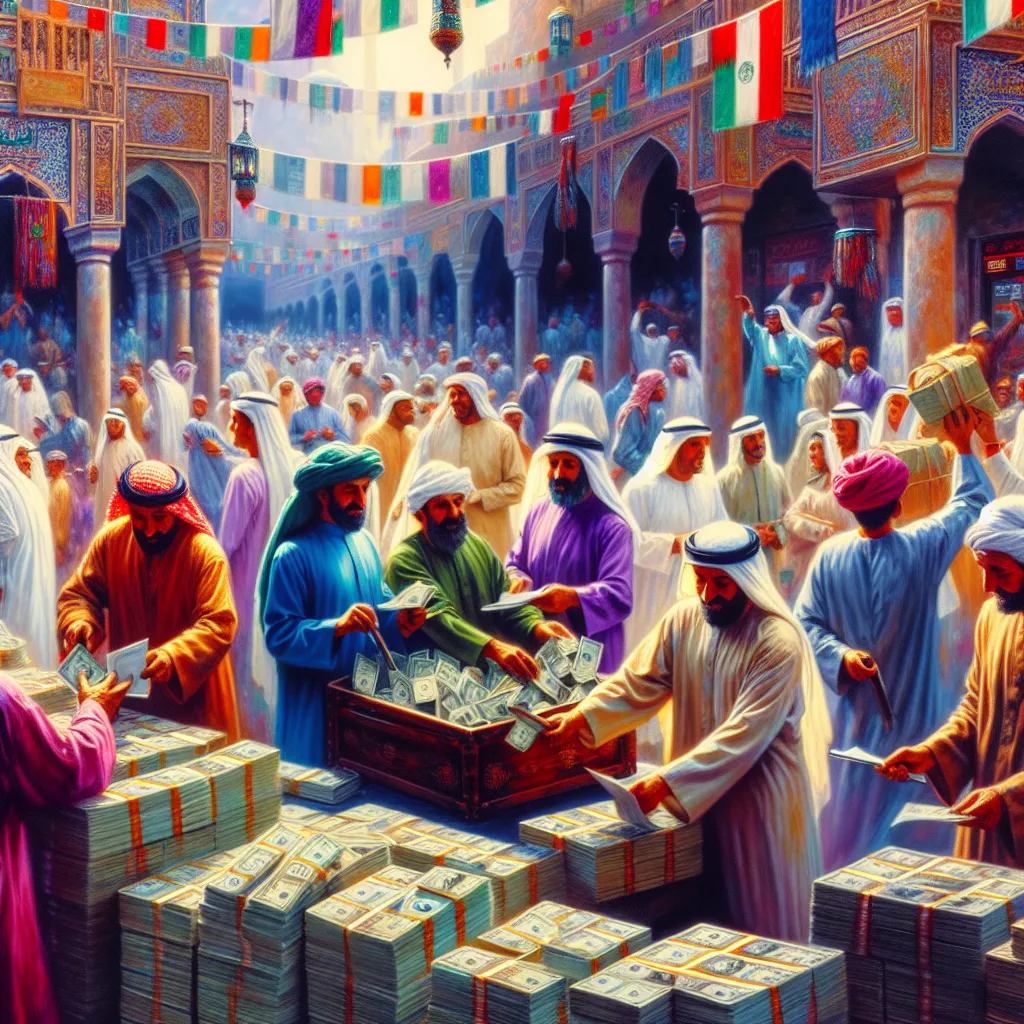
While the Borsa was the picture of regulation and order, the Souk Al-Manakh was the Wild West. Investors flocked to it, lured by its lack of regulation and the chance to trade non-Kuwaiti stocks freely. The oil-fueled boom had Kuwaitis ready to take risks, and the Souk promised enormous returns. With rampant speculation, the Souk rapidly gained popularity, even though it was founded on a precarious financial structure—post-dated checks acting as cash, enabling unlimited margin trading.
These post-dated checks were sacred in Kuwaiti culture; defaulting was considered taboo. Everyone took them seriously, so the market kept climbing. It wasn’t just ordinary folks; government officials joined the speculative frenzy too. Stocks prices went through the roof. New listings saw their prices surge almost absurdly, like a failed hotel turned hospital raising an unfathomable amount in its IPO. Eventually, shell companies and scams infiltrated the market—everyone wanted a piece of the windfall.
By 1982, the bubble had inflated to mind-boggling proportions. But an early check deposit that bounced triggered alarm bells. As nerves frayed, the finance minister’s declaration that the government wouldn’t bail out the speculators was the final nail in the coffin. Panic ensued. Trading halted abruptly. The aftermath left Kuwait in financial anguish, drowning in worthless checks amounting to a quarter-trillion dollars. Once the dust settled, Kuwait had to shut down its official exchange and rebuild from scratch.
This catastrophe marked Kuwait for years, plunging it into recession, further worsened by an oil price crash and later, the Iraqi invasion in 1990. The lesson from the Souk Al-Manakh’s epic collapse is timeless: Due diligence and caution are crucial, especially when market euphoria reaches fever pitch.
This saga serves as a timeless reminder for all investors: Markets don’t just climb forever, and unchecked speculation can lead to disaster. So next time you’re tempted by the market’s promises of quick riches, remember Kuwait’s story. Always pause, think, and practice restraint.